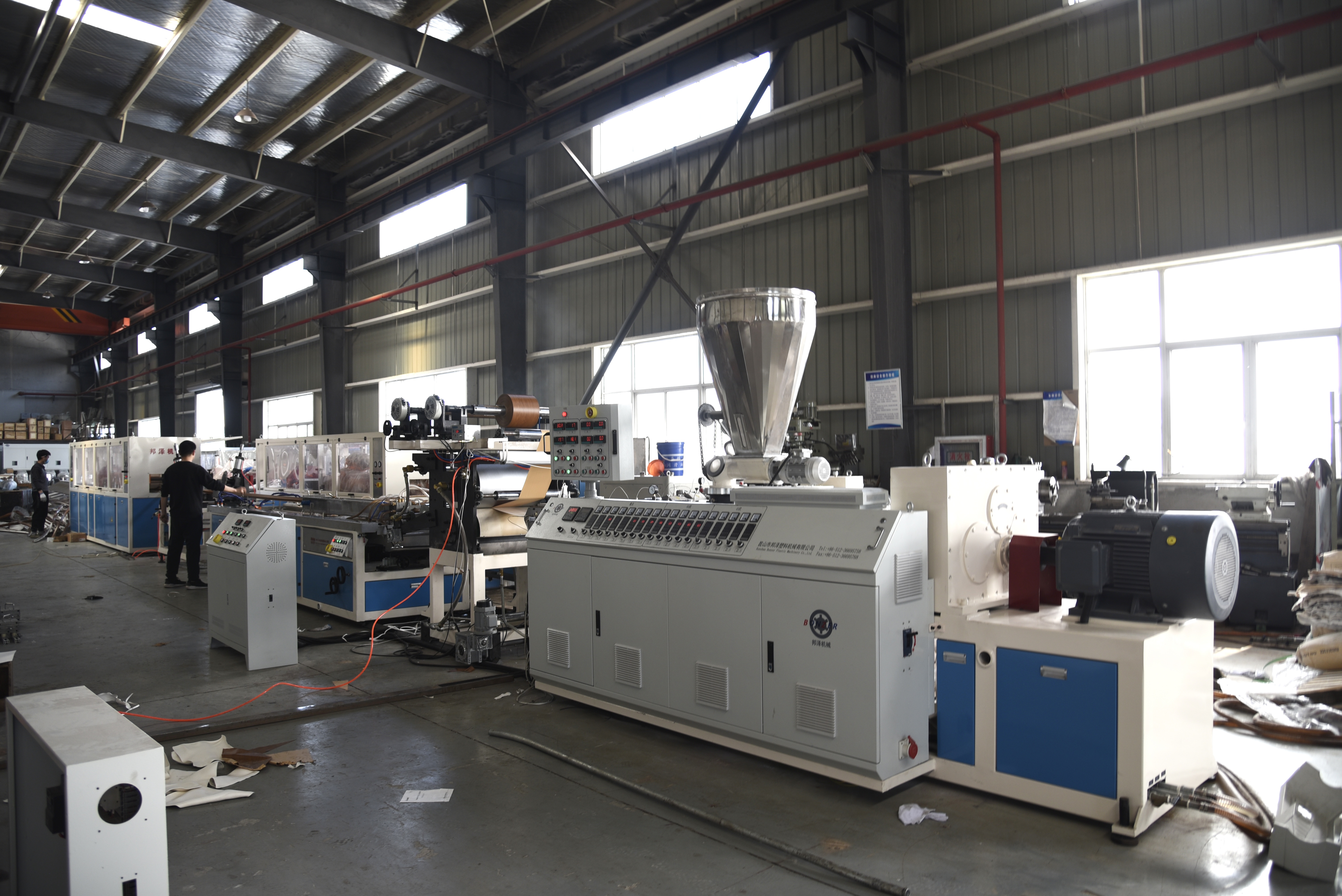
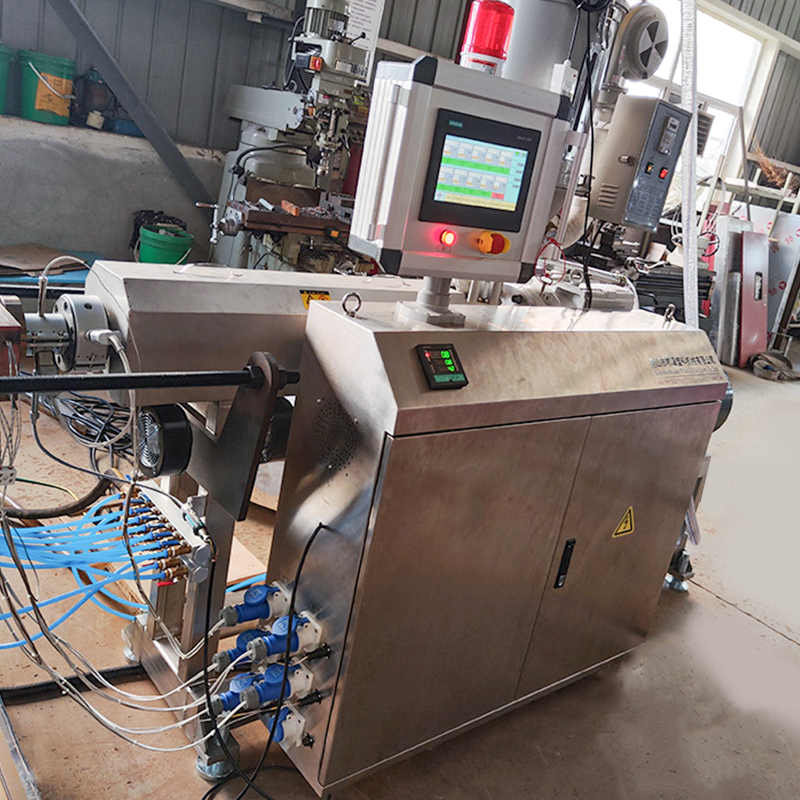
The UPVC Pipe Extrusion Line is a critical component in modern pipe manufacturing. Its efficiency, reliability, and output quality directly affect production costs, material utilization, and product consistency. Despite advanced engineering and automation, operational failures are inevitable if proper maintenance and monitoring are not applied. Understanding these common failures is essential for both operators and procurement professionals who seek to optimize production efficiency and extend the machine’s service life.
Operational failures in a UPVC Pipe Extrusion Line can manifest in multiple areas, including mechanical components, thermal systems, and control electronics. The following sections analyze each category in detail.
The screw and barrel assembly is the core of the UPVC Pipe Extrusion Line, responsible for conveying, melting, and homogenizing raw material. Common failures include:
| Failure Type | Cause | Production Impact | Preventive Measures |
|---|---|---|---|
| Screw Wear | Friction, poor lubrication | Uneven pipe wall thickness | Regular inspection, proper lubrication |
| Barrel Scoring | Contaminated material | Surface defects, reduced output | Material cleaning, barrel surface maintenance |
| Screw Misalignment | Bearing wear, improper installation | Pressure fluctuations, inconsistent quality | Regular bearing replacement, alignment checks |
The die head shapes the molten UPVC into the desired pipe profile. Calibration systems ensure dimensional accuracy during cooling. Typical failures include:
The mechanical drive system powers the screw and haul-off mechanisms, making its reliability vital for continuous operation.
Temperature management is crucial for UPVC Pipe Extrusion Line operation, as improper heating can affect melt homogeneity and pipe quality.
| Failure Type | Cause | Production Impact | Preventive Measures |
|---|---|---|---|
| Temperature Fluctuation | Faulty sensors, heating element wear | Bubble formation, weak weld lines | Regular calibration, heating element replacement |
| Overheating | Poor thermal control | Material degradation, scrap production | Continuous monitoring, thermal limiters |
| Cooling Inefficiency | Blocked water flow, pump failure | Ovality, surface defects | Scheduled cleaning, pump inspection |
The haul-off and cutting mechanisms remove the extruded pipe from the line and ensure accurate length. Failures here can interrupt production and compromise pipe quality.
Modern UPVC Pipe Extrusion Lines rely heavily on automation for process control and monitoring.
The quality and consistency of raw UPVC granules directly influence the extrusion process. Material-related issues include:
Understanding the root causes of these failures is essential for preventive maintenance. Effective strategies include:
Failures in a UPVC Pipe Extrusion Line can have significant consequences:
| Failure Category | Examples | Production Consequences | Preventive Measures |
|---|---|---|---|
| Screw & Barrel | Wear, scoring, misalignment | Uneven pipe wall, extrusion defects | Lubrication, inspection, replacement |
| Die & Calibration | Clogging, uneven wear, vacuum issues | Ovality, surface defects | Cleaning, calibration, die maintenance |
| Drive & Motor | Overheating, belt wear, control errors | Inconsistent extrusion speed, downtime | Motor inspection, alignment, control checks |
| Thermal System | Temperature fluctuations, cooling failure | Bubbles, weak pipes, scrap | Thermal monitoring, heater replacement |
| Haul-off & Cutter | Irregular speed, blade issues, synchronization | Incorrect pipe length, tension defects | System calibration, blade maintenance |
| Electrical & Automation | PLC errors, faulty sensors | Operational interruption | Electrical inspection, sensor replacement |
| Material | Contamination, moisture, granule inconsistency | Surface defects, structural weakness | Material pre-processing, drying |
To achieve optimal performance in a UPVC Pipe Extrusion Line, operators should adopt a structured preventive approach:
The probability of certain failures varies depending on pipe diameter and wall thickness. Large-diameter pipes are more prone to die head clogging and ovality, while thin-walled pipes are sensitive to screw wear and temperature fluctuations. Therefore, machine settings and preventive maintenance schedules should be adjusted according to the specific product specifications.
A UPVC Pipe Extrusion Line is a complex system requiring careful operation, regular maintenance, and high-quality materials. Common failures—including screw and barrel wear, die head and calibration issues, thermal inconsistencies, drive and haul-off problems, electrical faults, and material-related defects—can significantly affect production efficiency, pipe quality, and operational costs. Understanding these failures and implementing preventive measures can enhance machine reliability, reduce downtime, and ensure consistent production quality.
Q1: How often should screws and barrels be inspected in a UPVC Pipe Extrusion Line?
A1: Screws and barrels should be inspected at regular intervals, typically every 1,000–2,000 production hours, depending on material quality and operational intensity.
Q2: What causes bubble formation in extruded UPVC pipes?
A2: Bubbles are often caused by moisture in raw material or temperature fluctuations in the extrusion barrel. Pre-drying granules and maintaining stable heating can prevent this issue.
Q3: How can die head clogging be prevented?
A3: Clogging can be reduced by ensuring material cleanliness, maintaining consistent barrel temperature, and conducting regular die cleaning.
Q4: What maintenance is required for the haul-off system?
A4: Regular lubrication of rollers, inspection of motors and gears, and calibration of pulling speed are essential to maintain consistent pipe dimensions.
Q5: How can automation failures be minimized?
A5: Routine checks of sensors, PLC systems, and electrical connections, along with operator training, help prevent automation-related failures.
Copyright © Kunshan Bonzer Plastics Machinery Co., Ltd. All Rights Reserved. Custom Plastic Machinery Suppliers




 English
 中文简体
中文简体