
 English
 中文简体
中文简体
Home / News / Industry News / How Do Production Lines Handle Multi-Material Siding Board Configurations?
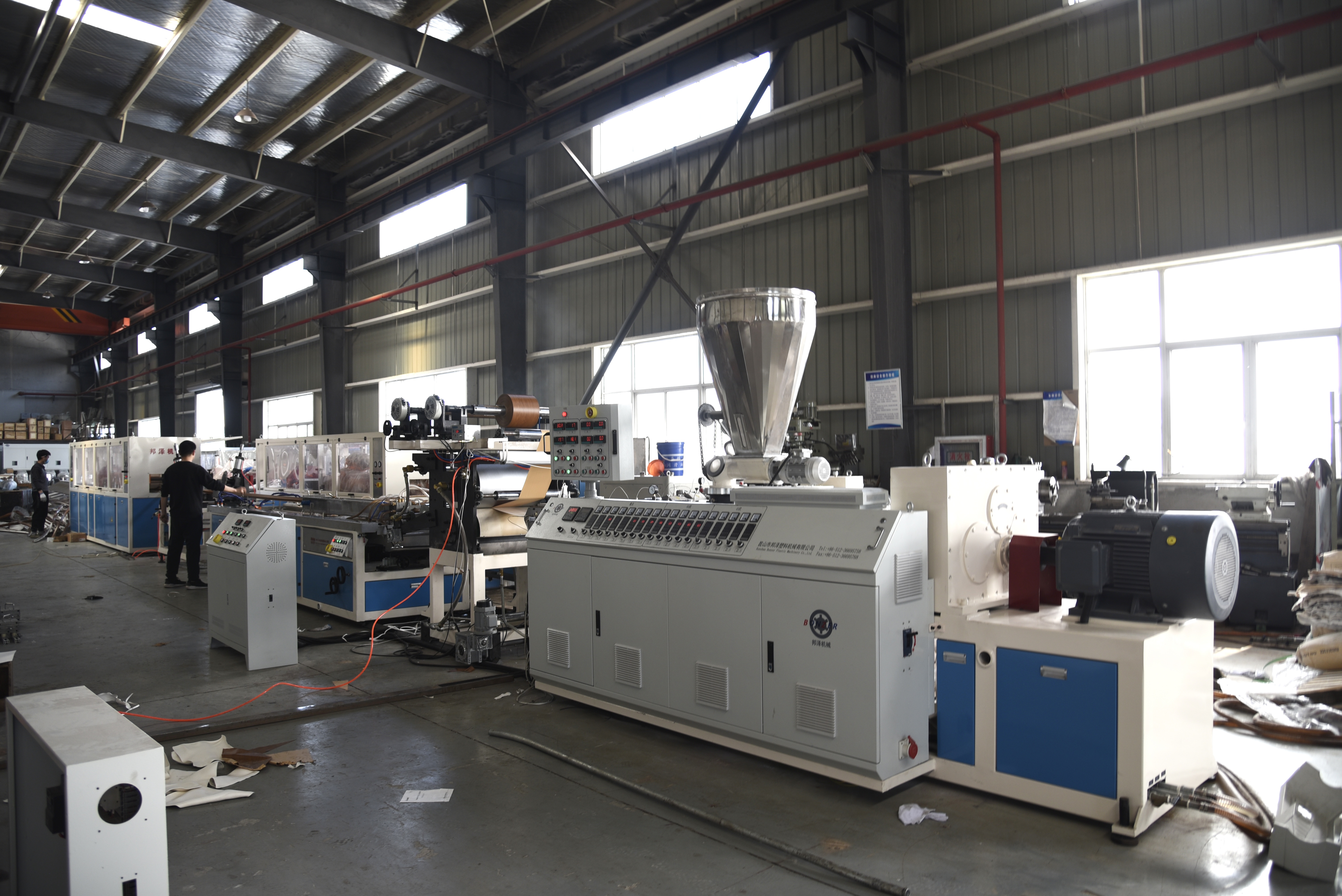
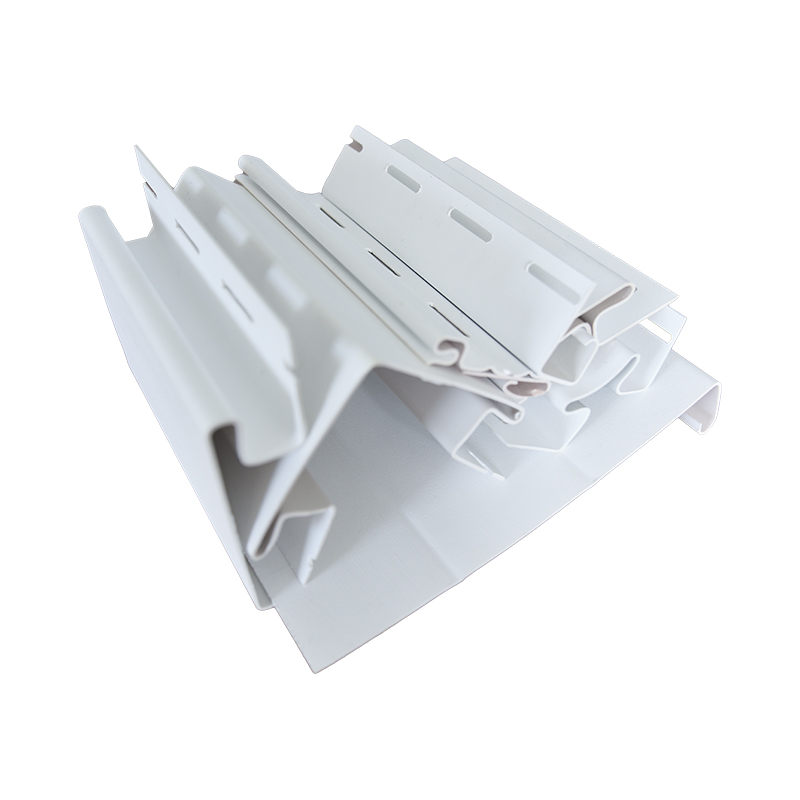
The evolution of building envelope materials has driven the need for flexible and adaptive siding board production lines capable of handling a wide variety of raw materials. Traditional single-material production lines often face limitations when attempting to integrate composite or multi-material boards, which may combine polymers, wood fibers, mineral fillers, and other additives. This necessitates a system-level approach to design, operation, and control of modern production lines.
A siding board production line designed for multi-material configurations must ensure material compatibility, maintain product quality, reduce waste, and optimize throughput.
Approaching multi-material siding board production from a system engineering perspective involves considering the production line as a complex, integrated system rather than a collection of isolated machines. Key aspects include:
This integrated approach reduces errors, allows for rapid switching between materials, and ensures that production meets strict performance specifications.
Multi-material siding boards can include combinations such as:
Each material presents unique challenges regarding thermal stability, flow behavior, moisture content, and density. Table 1 summarizes common considerations:
Table 1 – Key Properties of Multi-Material Inputs
| Material Type | Critical Properties | Typical Processing Challenges |
|---|---|---|
| PVC Polymer | Melt viscosity, thermal stability | Degradation at high temperatures |
| Wood Fiber | Moisture content, fiber length | Clumping, inconsistent flow |
| Mineral Fillers | Particle size, density | Settling in hoppers, abrasive wear |
| Recycled Polymers | Contaminants, varying melt flow | Inconsistent extrusion behavior |
| Additives (Fire retardants, UV stabilizers) | Dispersion, compatibility | Settling, poor bonding |
A siding board production line must incorporate pre-blending, drying, and feeding systems designed to handle these variations consistently.
Flexibility is critical in multi-material lines. Modern siding board production lines adopt modular architectures, allowing for:
Benefits of modular design include:
Table 2 – Example Modular Line Components
| Module | Function | Material Flexibility |
|---|---|---|
| Multi-feeder System | Blends raw materials | Can handle polymers, wood fibers, minerals |
| Extrusion Unit | Forms continuous boards | Adjustable screw design for material viscosity |
| Calender / Press | Shapes and densifies | Modular roll sets for different thicknesses |
| Cooling & Conveyance | Stabilizes boards | Configurable cooling zones for heat-sensitive materials |
| Automated Inspection | Quality monitoring | Adapts to material-specific surface criteria |
A multi-material siding board production line requires advanced process control to manage the interactions between diverse materials. Key strategies include:
Switching between materials in a multi-material line presents risks of cross-contamination, inconsistent bonding, and thermal degradation. Strategies include:
Thermal properties of materials often vary significantly. A siding board production line must implement:
Figure 1 (conceptual): Temperature zones across a multi-material extrusion line
| Zone | Temperature Range (°C) | Purpose |
|---|---|---|
| Feeding | 20–60 | Pre-heating, moisture reduction |
| Extrusion | 160–200 | Melting and mixing materials |
| Calender / Press | 150–180 | Shaping and densification |
| Cooling | 25–50 | Stabilization, surface finish |
Maintaining uniformity and performance in multi-material siding boards requires integrated inspection systems:
The integration of different modules, sensors, and software is essential for seamless operation:
Modern multi-material lines incorporate waste reduction and sustainability strategies:
Table 3 – Typical Material Efficiency Metrics
| Material Type | Yield (%) | Rework Rate (%) | Energy Consumption (kWh/ton) |
|---|---|---|---|
| PVC / Polymer | 95–98 | 2–5 | 450–600 |
| Wood Fiber Composite | 92–96 | 3–5 | 500–650 |
| Mineral-Reinforced Boards | 90–94 | 4–6 | 550–700 |
Some siding boards require layered constructions, such as:
This requires:
To maintain high uptime in a multi-material siding board production line:
Handling multi-material configurations in a siding board production line demands a holistic, system engineering approach. Key success factors include:
By adopting these strategies, production lines can achieve consistent product quality, operational efficiency, and adaptability to evolving material trends.
Q1: What is a multi-material siding board?
A multi-material siding board combines two or more materials—such as polymers, wood fibers, or mineral fillers—into a single panel to optimize durability, aesthetic appearance, or environmental performance.
Q2: How are material transitions managed in production?
Material transitions are managed through dedicated feed lines, purging systems, sequential start-ups, and in-line quality monitoring to prevent contamination and defects.
Q3: What role does automation play in multi-material production lines?
Automation ensures precise feeding, temperature control, line speed regulation, and defect detection, which are critical for handling materials with different properties.
Q4: Can a siding board production line handle custom layer configurations?
Yes, modern lines are modular and configurable, enabling multiple layers with different material compositions to meet specific product requirements.
Q5: How is sustainability integrated into these production lines?
Sustainability measures include reusing scrap, optimizing feed ratios, reducing energy consumption, and recycling off-spec boards back into the production process.
Copyright © Kunshan Bonzer Plastics Machinery Co., Ltd. All Rights Reserved. Custom Plastic Machinery Suppliers