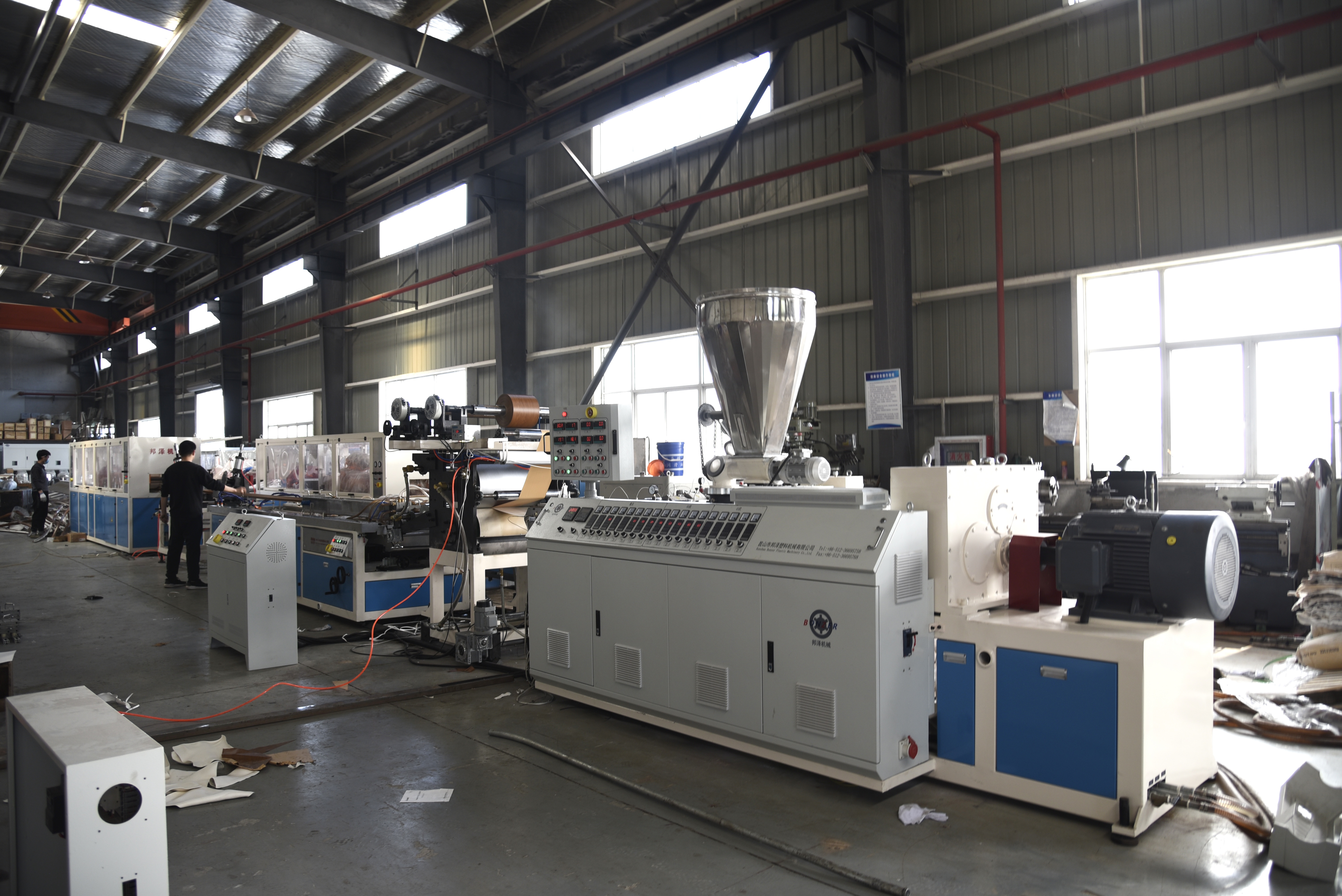
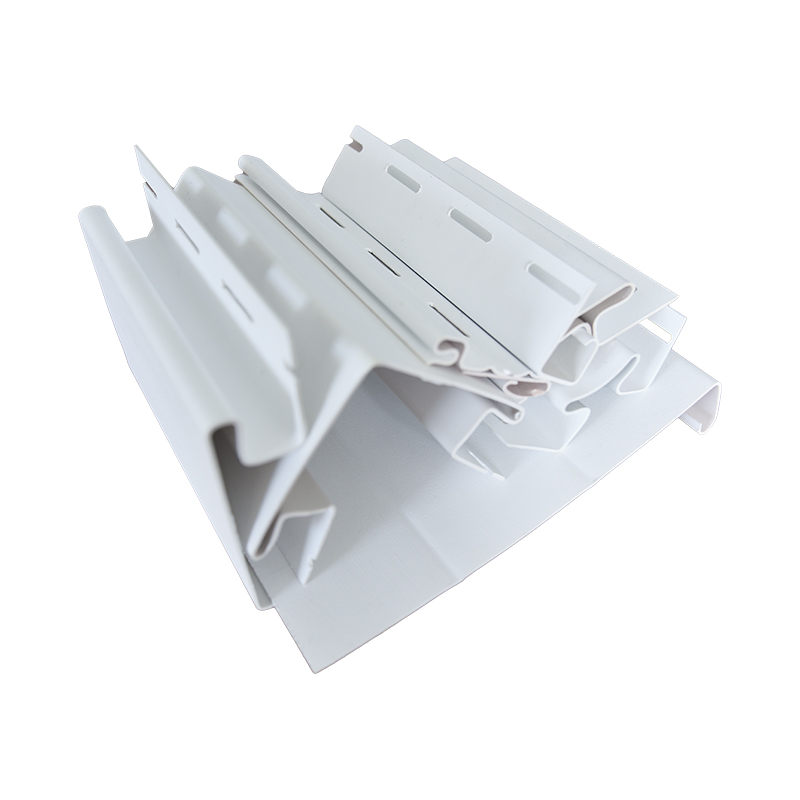
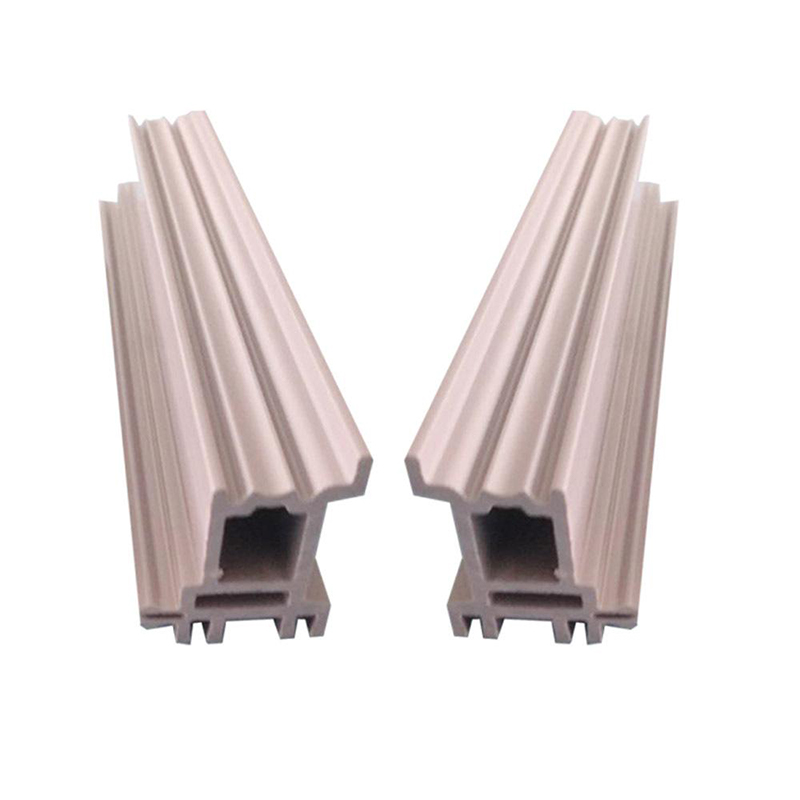
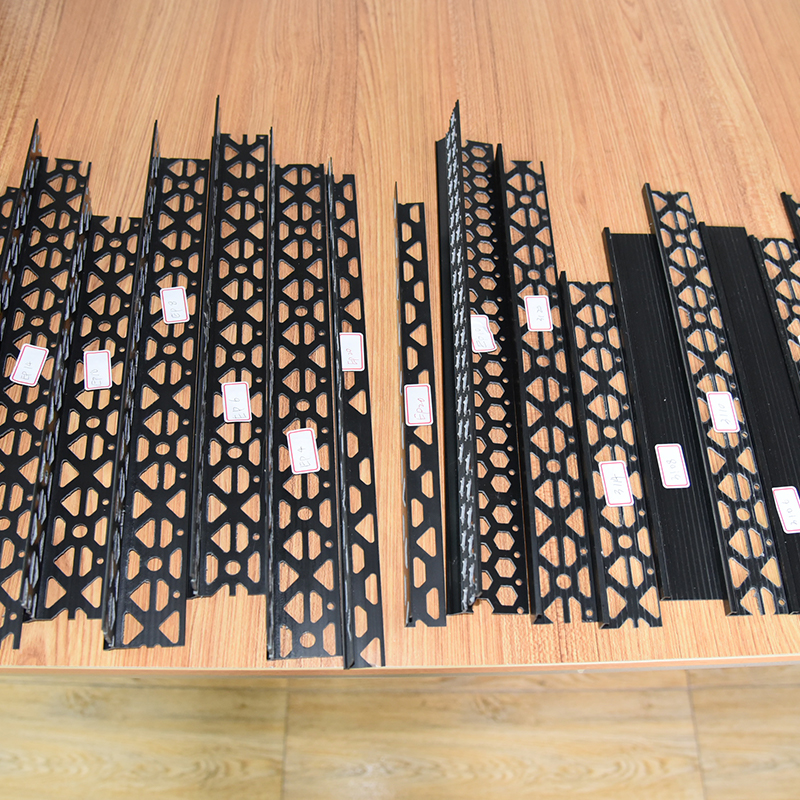
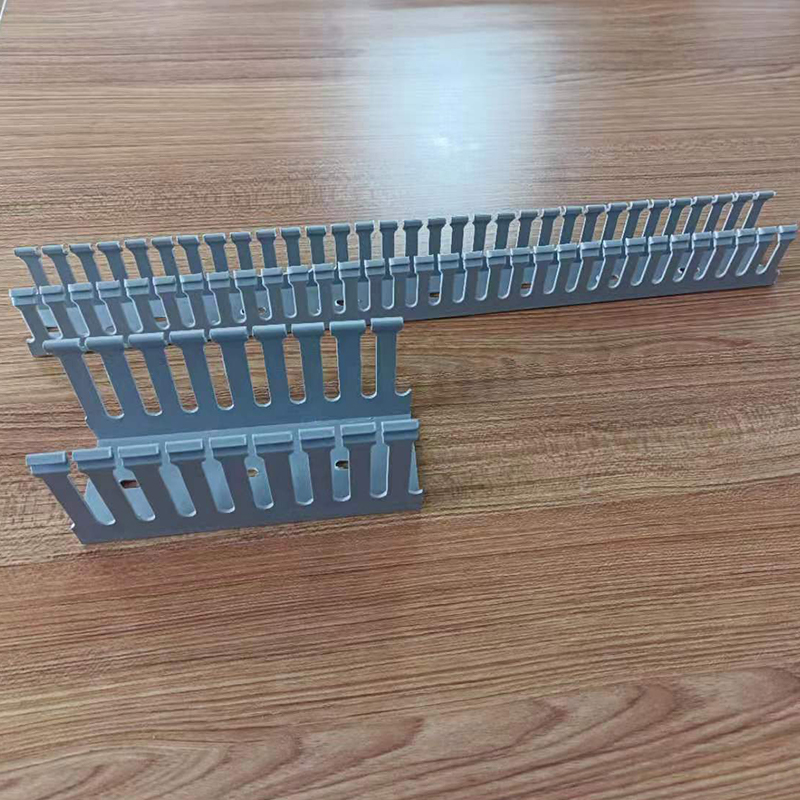
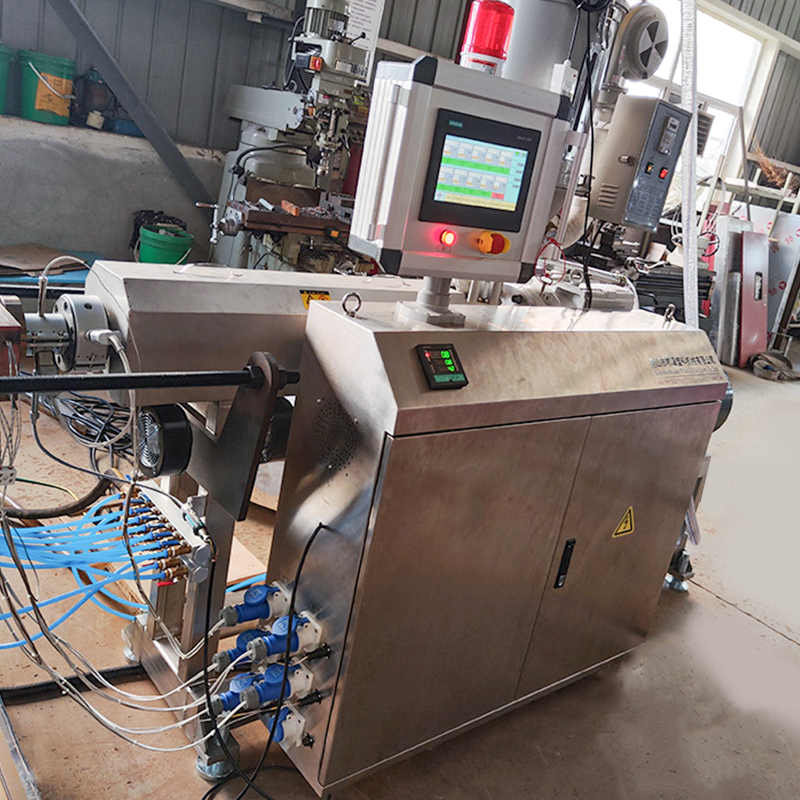
Maintaining a plastic ceiling tiles making machine is a crucial aspect of ensuring consistent production quality, prolonging the machine’s service life, and minimizing downtime in manufacturing environments. Effective maintenance encompasses routine inspections, preventive measures, component care, and proper operational practices.
A plastic ceiling tiles making machine typically consists of several core components, each of which plays a critical role in the production process. Key components include:
Understanding these components is essential for effective maintenance because each requires specific attention and handling practices. Neglecting one component can result in production inefficiencies, increased wear, or premature failure.
| Component | Maintenance Focus | Frequency |
|---|---|---|
| Extruder | Check screw and barrel wear, clean feeding system | Daily/weekly |
| Forming section | Inspect molds for damage, ensure proper alignment | Weekly |
| Cooling system | Clean water channels, check pump function | Weekly |
| Conveyor system | Lubricate bearings, inspect belt tension | Bi-weekly |
| Control panel | Verify sensors, update software if applicable | Monthly |
Routine inspections are the foundation of effective maintenance for a plastic ceiling tiles making machine. These inspections allow operators to identify early signs of wear, misalignment, or operational inefficiencies.
Regular inspections not only ensure operational reliability but also provide an opportunity to schedule preventive maintenance and reduce the risk of sudden machine failure.
A plastic ceiling tiles making machine involves high-temperature plastic processing, which can result in material residue accumulation and increased friction in mechanical components. Proper cleaning and lubrication are essential to maintain performance.
Cleaning procedures:
Lubrication practices:
| Maintenance Task | Recommended Frequency | Notes |
|---|---|---|
| Mold cleaning | After each production cycle | Prevents residue buildup affecting tile quality |
| Bearing lubrication | Weekly | Use machine-specific lubricant |
| Conveyor inspection | Bi-weekly | Check belt tension and wear |
| Extruder screw cleaning | Monthly | Removes accumulated residues |
Consistent cleaning and lubrication reduce wear on critical components and improve product quality by preventing defects such as uneven thickness or surface imperfections.
Preventive maintenance involves proactive steps to identify potential problems before they escalate. For a plastic ceiling tiles making machine, preventive strategies include:
Implementing preventive maintenance helps manufacturers maximize uptime and reduce long-term operational costs.
Temperature and pressure are critical parameters in a plastic ceiling tiles making machine. Improper control can cause defects such as warping, inconsistent thickness, or surface blemishes. Maintenance practices include:
Maintaining stable temperature and pressure conditions ensures uniform product quality and prevents unnecessary mechanical stress.
Despite thorough maintenance, plastic ceiling tiles making machines can experience common issues that require prompt attention:
Proper troubleshooting requires both technical knowledge and hands-on experience, emphasizing the importance of regular inspection and operator training.
Effective maintenance relies on trained operators who understand both the machine’s mechanics and operational protocols. Recommended practices include:
Well-trained personnel reduce the risk of operational errors and improve the overall reliability of the machine.
A plastic ceiling tiles making machine operates in environments where temperature, humidity, and ventilation can impact performance. Maintenance should include:
Maintaining a controlled environment complements mechanical maintenance and enhances machine longevity.
Modern plastic ceiling tiles making machines may incorporate automation and monitoring systems to facilitate maintenance. Features include:
Integrating these technologies allows manufacturers to maintain high efficiency while reducing the likelihood of unexpected breakdowns.
Keeping detailed records of maintenance activities is essential for a plastic ceiling tiles making machine. Recommended practices:
Accurate records help managers make informed decisions and improve long-term operational planning.
Maintaining a plastic ceiling tiles making machine requires a holistic approach, covering mechanical, electrical, thermal, and operational aspects. Table 3 provides a concise summary of the critical maintenance focus areas:
| Maintenance Aspect | Key Activities | Benefit |
|---|---|---|
| Mechanical components | Cleaning, lubrication, alignment | Reduced wear and improved reliability |
| Thermal systems | Heating/cooling checks, sensor verification | Consistent tile quality |
| Electrical controls | Wiring inspection, software monitoring | Prevents faults and downtime |
| Operator practices | Training, SOP compliance | Safe, efficient, and consistent operation |
| Environment management | Ventilation, dust control, humidity monitoring | Extends machine life and reduces defects |
By adhering to these principles, operators and maintenance personnel can ensure long-term performance, product quality, and operational safety.
Q1: How often should a plastic ceiling tiles making machine undergo preventive maintenance?
Preventive maintenance should be scheduled based on manufacturer recommendations, typically on a monthly or quarterly basis depending on usage intensity. Critical components such as molds, extruder screws, and cooling systems may require more frequent attention.
Q2: Can different types of plastics affect maintenance requirements?
Yes. Materials such as PVC, PET, and other thermoplastics have distinct thermal and mechanical properties, which may influence residue accumulation, mold wear, and cleaning frequency.
Q3: What are the signs that a plastic ceiling tiles making machine needs immediate attention?
Indicators include unusual vibration, irregular product dimensions, surface defects, overheating, and abnormal noises. Prompt inspection and troubleshooting are essential to prevent further damage.
Q4: Is operator training necessary for maintenance?
Absolutely. Proper training ensures that operators understand inspection procedures, cleaning protocols, and emergency responses, all of which are vital for maintaining machine performance and safety.
Q5: How can automation help in maintenance?
Automation, including sensor monitoring and predictive maintenance software, allows for real-time tracking of key parameters, early fault detection, and automated lubrication, reducing manual intervention and enhancing reliability.
Copyright © Kunshan Bonzer Plastics Machinery Co., Ltd. All Rights Reserved. Custom Plastic Machinery Suppliers




 English
 中文简体
中文简体