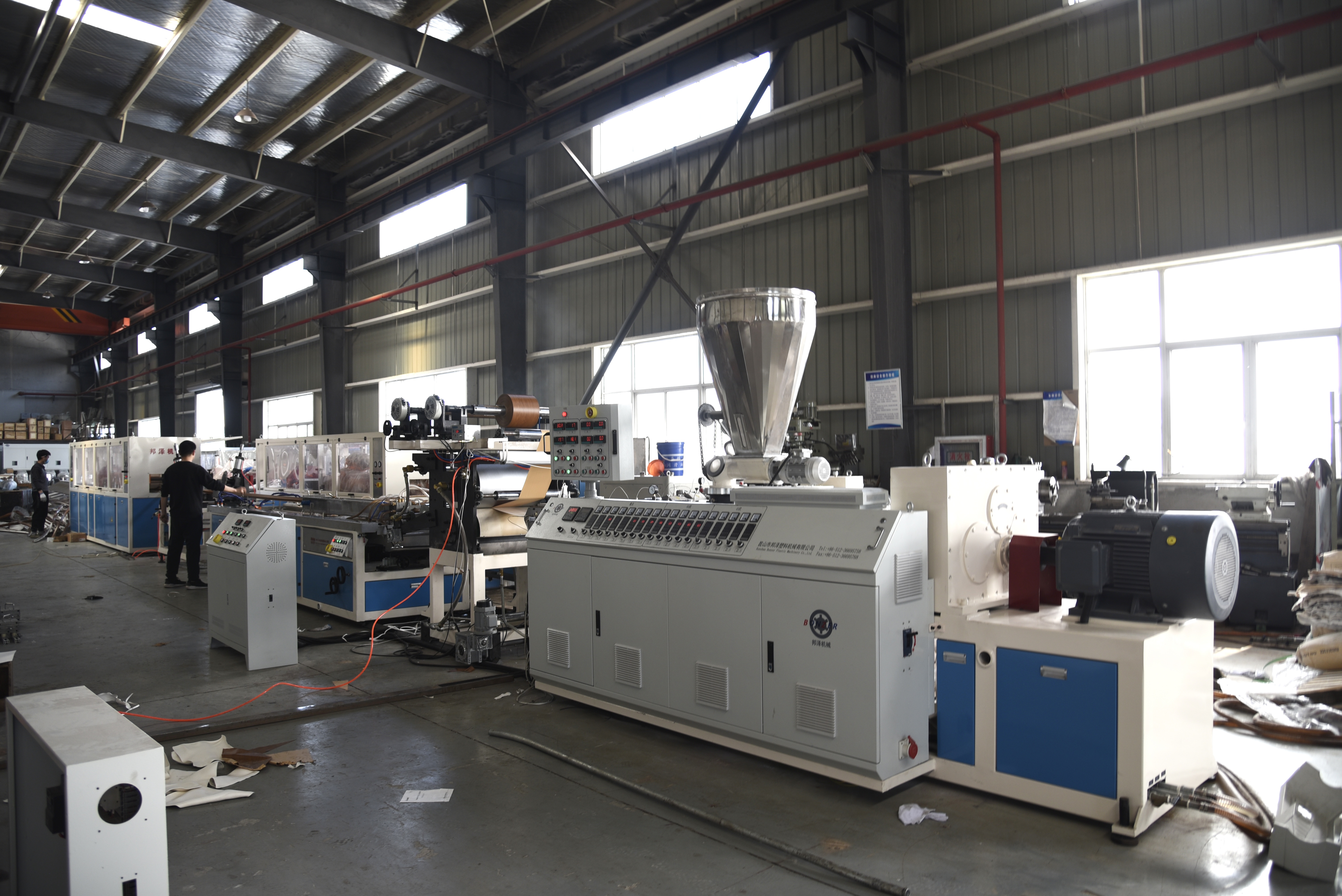
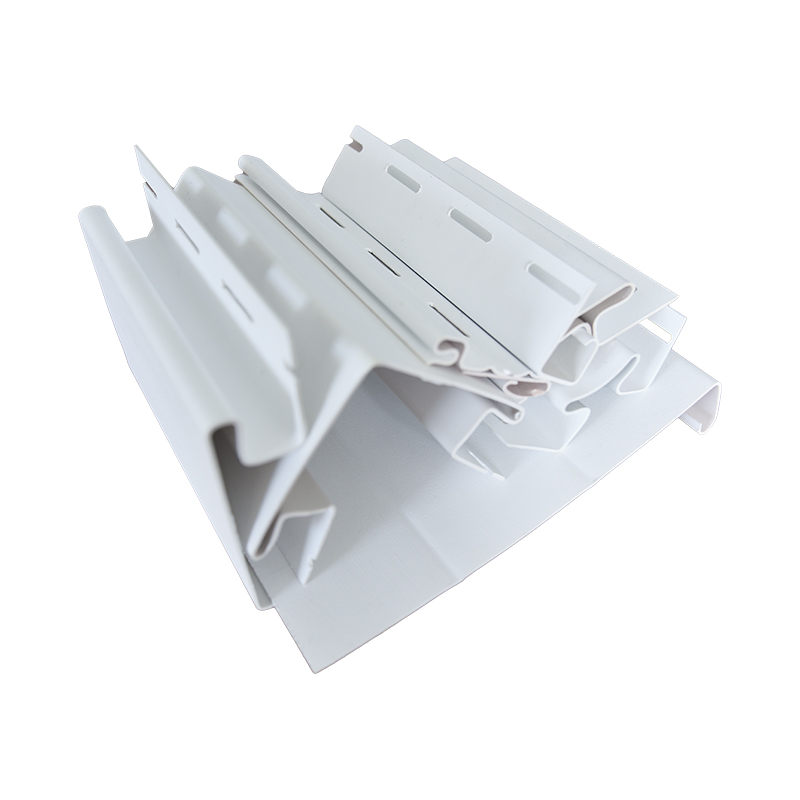
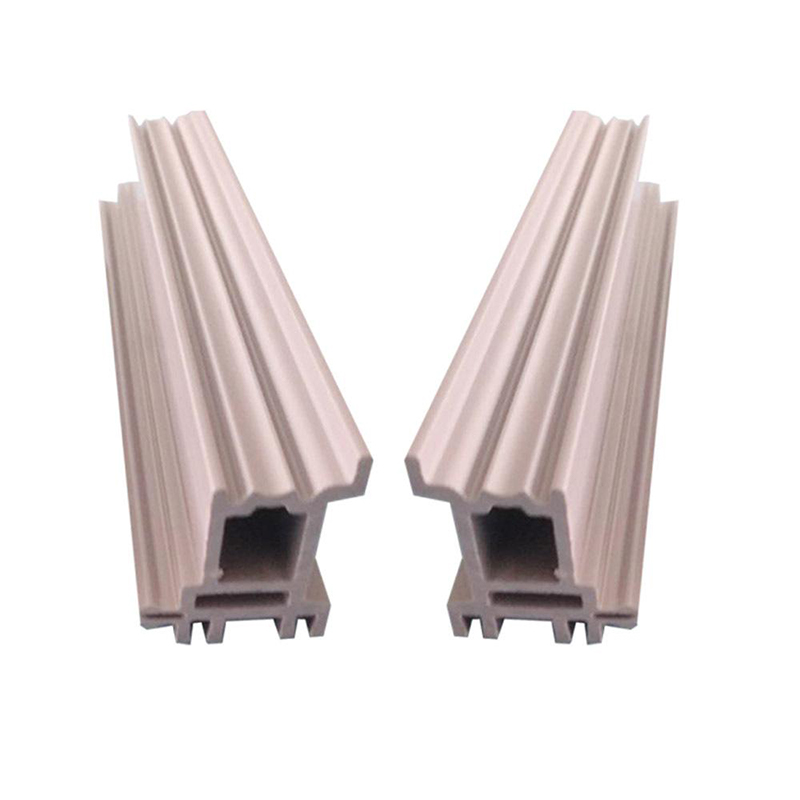
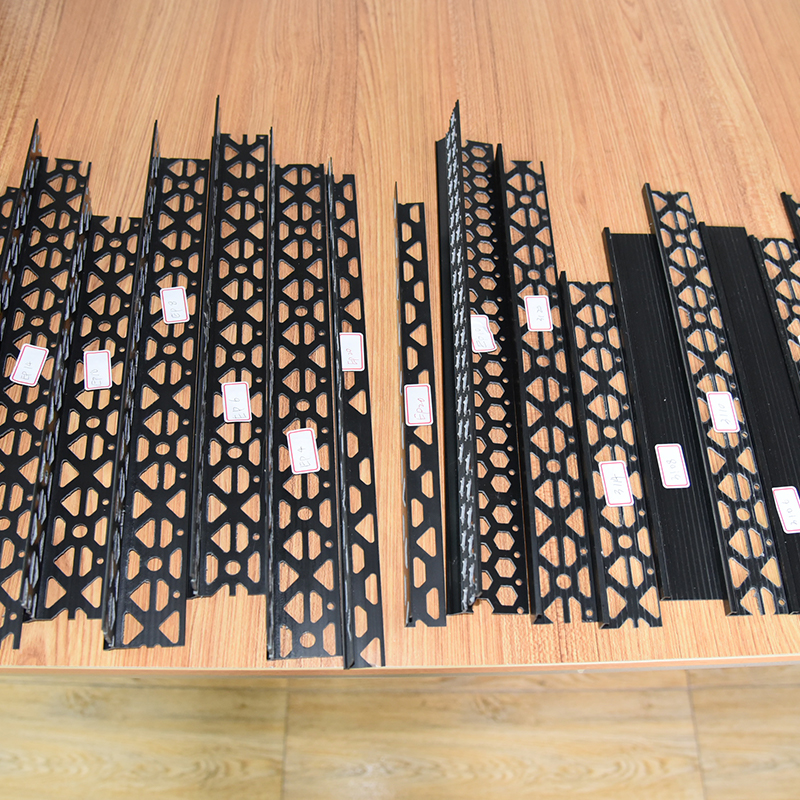
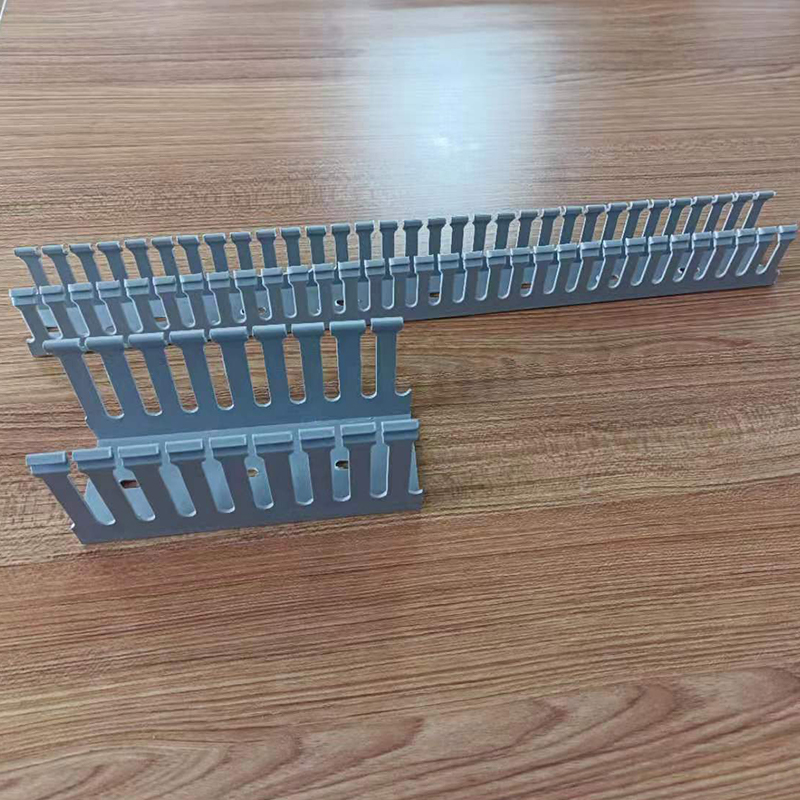
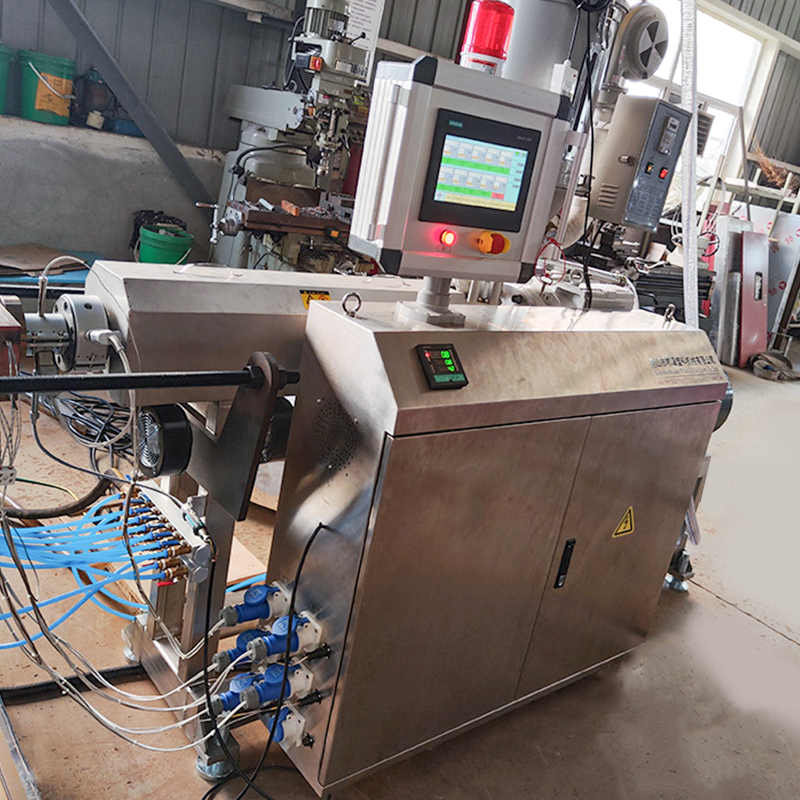
The increasing demand for customized artificial marble profiles has created pressure on traditional extrusion systems. Conventional artificial marble profile extrusion lines are often designed for high-volume, fixed production, which limits flexibility when manufacturers need to switch profile types, colors, or production quantities. To address these challenges, modularization of extrusion lines has emerged as a key strategy, allowing systems to be reconfigured efficiently while maintaining performance, quality, and throughput.
Modularization in this context refers to both equipment architecture modularity and production workflow modularity, creating a system that can adapt quickly to varying production demands. By applying a systems engineering perspective, manufacturers can design extrusion lines that are flexible, scalable, and maintainable.
A modular extrusion line is built around distinct functional units that can operate independently or in combination:
Each module is designed to interface seamlessly with the others using standardized mechanical, electrical, and communication connections. This separation enables rapid reconfiguration and maintenance without major line shutdowns.
Table 1: Typical Functional Modules in an Artificial Marble Profile Extrusion Line
| Module Type | Key Features | Flexibility Contribution |
|---|---|---|
| Extruder Module | Interchangeable screws, modular barrel sections | Allows switching materials and output rates |
| Die Module | Quick-change dies, adjustable calibration | Enables multiple profile cross-sections |
| Calibration & Cooling | Modular vacuum tables, water or air cooling | Supports different profile dimensions and material types |
| Cutting & Handling | Adjustable saws, stacking, conveyor segments | Handles varying lengths and packaging formats |
| Control & Monitoring | PLC/SCADA modules, IoT sensors | Facilitates centralized and distributed control |
A key principle of modularity is standardization of interfaces. Standardized mechanical connections, electrical inputs, and communication protocols allow modules to be swapped or upgraded with minimal adjustments. Examples include:
Standardized interfaces reduce the learning curve for operators and allow modules from different production units to be combined efficiently.
Modular lines can be scaled horizontally or vertically to meet changing production requirements. Horizontal expansion may involve adding additional extruder modules or calibration tables to increase throughput. Vertical expansion can include stacking modules for multi-layer co-extrusion or integrating additional downstream processing units.
Scalability ensures the line can adapt to short production runs, high-mix scenarios, or future product types without complete redesign.
Beyond physical modularity, workflow modularization is essential. Flexible workflows allow lines to switch between products without excessive downtime:
Workflow modularization works hand-in-hand with machine modularity to ensure that flexibility does not compromise product quality or throughput.
The flexibility of a modular artificial marble profile extrusion line heavily depends on its control and automation architecture. Traditional centralized control systems can limit adaptability, while modular control systems allow each functional unit to operate semi-independently, yet remain coordinated through a unified interface.
A distributed control system (DCS) is ideal for modular extrusion lines because:
This architecture enhances line uptime and supports parallel production workflows, allowing different product batches to be processed simultaneously.
Table 2: Comparison of Centralized vs. Modular Control in Extrusion Lines
| Feature | Centralized Control | Modular Control (Distributed) |
|---|---|---|
| Flexibility | Limited | High |
| Downtime during maintenance | Entire line affected | Only specific module |
| Scalability | Difficult | Easy; modules added or removed independently |
| Data collection & monitoring | Single point, less granularity | Multi-point, high granularity |
| Changeover capability | Slower | Faster due to localized adjustments |
The integration of PLC and IoT provides:
Material management is critical in flexible production scenarios. Modular feed systems include:
Modular quality control units can be integrated at multiple points along the line:
Table 3: Modular Quality Control Modules and Functions
| Module Type | Function | Flexibility Advantage |
|---|---|---|
| Surface Inspection Module | Detects scratches, voids, and color issues | Can be added or repositioned along line |
| Dimensional Monitoring Module | Measures profile thickness and width | Supports different profiles and sizes |
| Inline Feedback Loop | Adjusts extrusion or cooling parameters | Maintains consistency in varying batches |
| Color Consistency Module | Monitors pigment distribution | Enables multi-color production |
With modular IoT-enabled sensors, predictive maintenance is feasible:
This approach not only improves line reliability but also reduces operational costs in high-mix production scenarios.
Key strategies include:
| Feature | Traditional Line | Modular Line |
|---|---|---|
| Flexibility | Low | High |
| Changeover Time | Hours to days | Minutes to hours |
| Maintenance Impact | Entire line may stop | Only affected module |
| Scalability | Limited | Easy to expand or reduce |
| Workflow Adaptability | Rigid | Reconfigurable and parallelizable |
| Data-driven Optimization | Minimal | Real-time, predictive, and continuous |
Excellent. Let’s finalize the article with a Summary, FAQ, and References section, keeping the technical, professional tone.
Modularization of artificial marble profile extrusion lines represents a systematic approach to achieving flexible production runs. By integrating both machine modularity and workflow modularity, manufacturers can meet the growing demand for diverse profile designs, batch sizes, and rapid changeovers while maintaining consistent quality.
Key insights include:
Overall, modularization transforms extrusion lines from rigid, single-product systems into adaptable, efficient, and resilient production platforms capable of meeting modern manufacturing challenges in the artificial marble profile industry.
Q1: What is a modular artificial marble profile extrusion line?
A modular extrusion line is a system where individual functional units (extruders, dies, calibration tables, cutting modules) are designed to be interchangeable and reconfigurable. This enables quick adaptation to different product profiles, batch sizes, and operational requirements.
Q2: How does modularization reduce downtime?
Modules can be maintained, repaired, or replaced independently without stopping the entire line. Standardized interfaces simplify part replacement, reducing both planned and unplanned downtime.
Q3: Can modular extrusion lines handle multiple product types simultaneously?
Yes. With parallel processing and batch-oriented workflows, different modules can operate concurrently to produce multiple profile types, improving throughput and flexibility.
Q4: How does modular control improve line performance?
Distributed PLC and IoT-enabled modules allow for real-time monitoring and local control. Deviations in process parameters can be corrected automatically, maintaining consistent quality across different production runs.
Q5: What are the benefits of modular material management?
Modular feeding, blending, and color management systems ensure consistent material quality and enable quick adaptation to new formulations or co-extrusion layers.
Q6: How does predictive maintenance work in modular lines?
Sensors monitor mechanical and thermal conditions in real time, predicting wear or failure before it occurs. Maintenance can then be scheduled proactively on specific modules, avoiding full-line stoppages.
Q7: Is modularization suitable for small-scale production?
Yes. Modular lines can be scaled down to accommodate short runs while retaining flexibility for future expansion.
Q8: How do modular lines support quality assurance?
Modular inspection units, including surface, dimensional, and color monitoring, provide real-time feedback and enable automated corrections, ensuring consistent product quality even during rapid production changes.
Q9: How easy is it to expand a modular extrusion line?
Expansion is straightforward. Additional extruder, calibration, or cutting modules can be added with minimal reconfiguration, thanks to standardized interfaces and flexible control systems.
Q10: What operational improvements can manufacturers expect from modular lines?
Benefits include reduced changeover time, improved throughput, higher product consistency, reduced scrap rates, and enhanced adaptability to market demands.
Copyright © Kunshan Bonzer Plastics Machinery Co., Ltd. All Rights Reserved. Custom Plastic Machinery Suppliers




 English
 中文简体
中文简体