
 English
 中文简体
中文简体
Home / News / Industry News / How does a window profile extrusion line handle multi-chamber profiles?
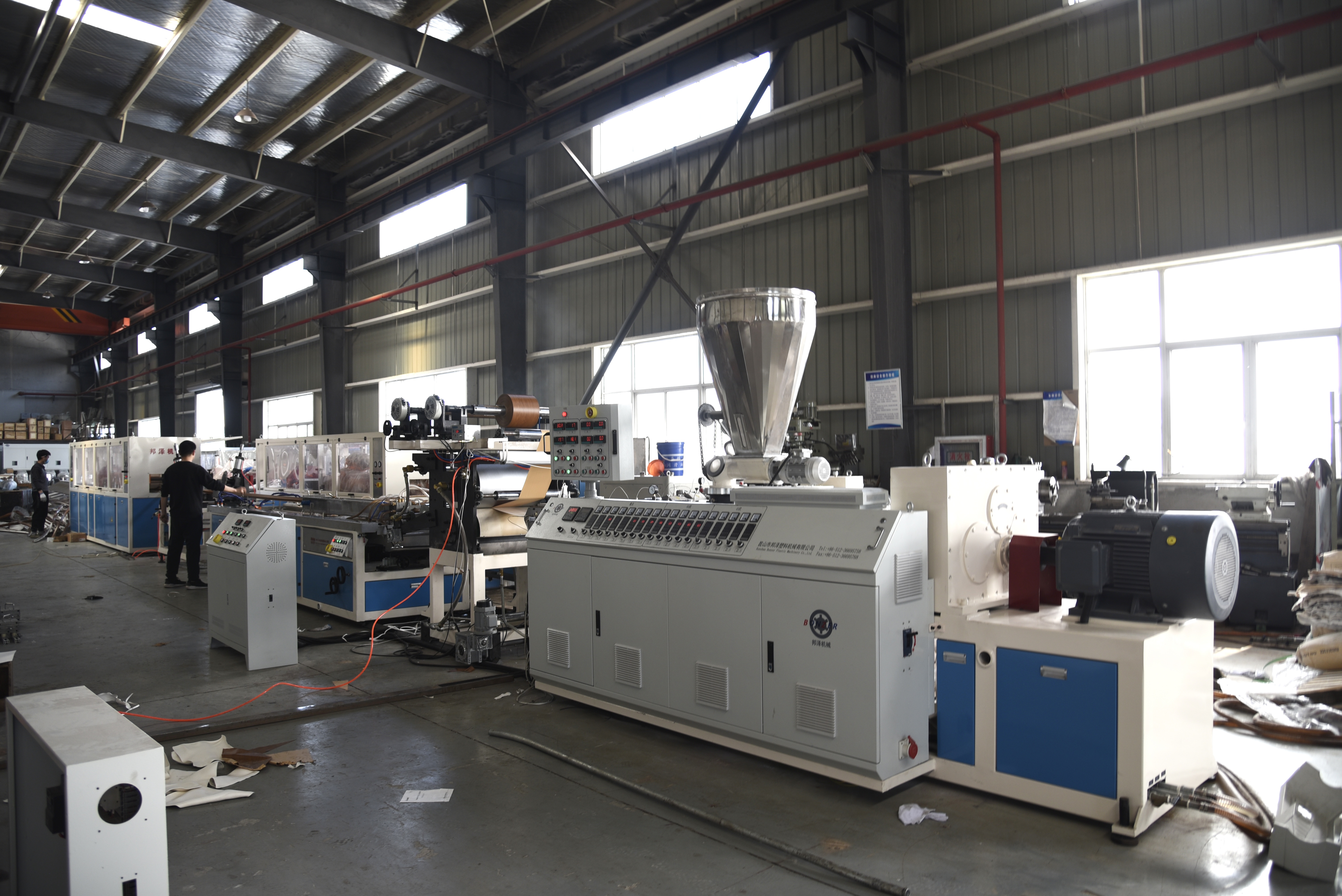
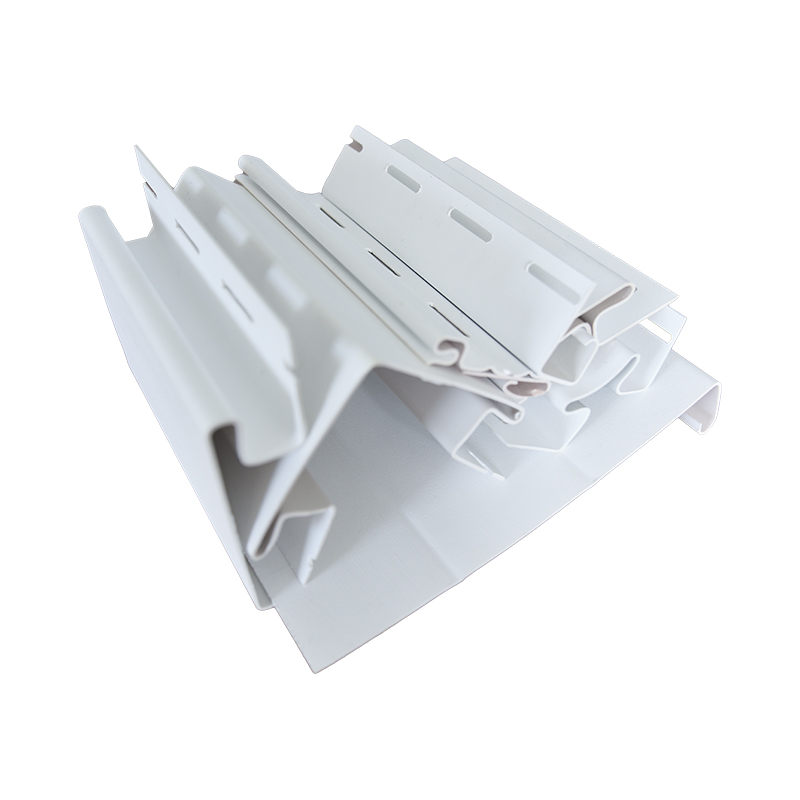
The window profile extrusion line is a critical manufacturing system used for producing high-quality window and door profiles, particularly those with complex structures such as multi-chamber profiles. These profiles, often used in modern construction for their superior thermal insulation and structural strength, require precise handling and advanced production techniques to ensure dimensional accuracy and uniformity.
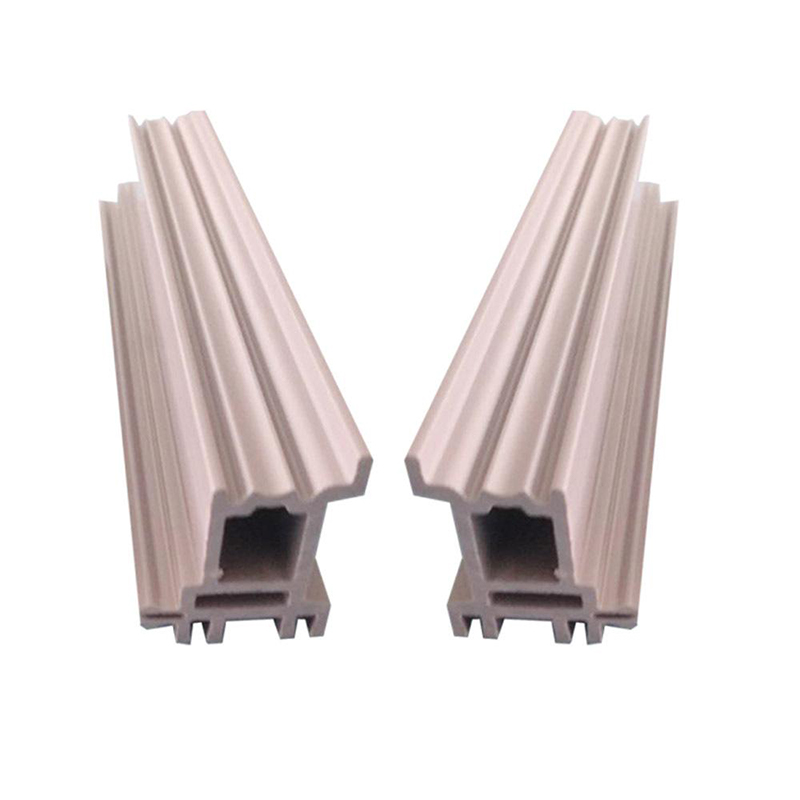
Multi-chamber profiles are characterized by internal cavities or chambers separated by walls, designed to enhance thermal insulation, acoustic performance, and structural rigidity. The number, shape, and size of chambers can vary significantly depending on the intended application, building standards, and regional construction codes. Typically, multi-chamber profiles are made from PVC, PET, or composite materials, which are chosen for their durability, resistance to environmental conditions, and ease of processing.
The complexity of multi-chamber profiles poses significant challenges for extrusion. A window profile extrusion line must maintain precise control over several parameters, including temperature, pressure, and material flow, to avoid warping, surface defects, or inconsistent wall thicknesses. These challenges necessitate the use of specialized extrusion dies, vacuum calibration systems, and carefully coordinated downstream equipment.
A standard window profile extrusion line for multi-chamber profiles typically consists of the following core components:
Extruder: The extruder is responsible for melting and homogenizing raw materials. For multi-chamber profiles, twin-screw or conical single-screw extruders are often preferred due to their enhanced mixing capabilities and precise output control.
Die head: The die head shapes the molten material into the desired multi-chamber profile. It must be carefully designed to ensure uniform flow into all chambers, preventing voids, uneven thickness, or material separation.
Calibration and vacuum tank: After extrusion, profiles pass through a calibration system where vacuum tanks hold the profile against a cooled surface to maintain dimensional accuracy and surface finish.
Haul-off unit: This mechanism pulls the profile at a consistent speed to avoid stretching or distortion. For multi-chamber profiles, precise synchronization with the extrusion speed is critical.
Cutting and packaging system: The cut-to-length system ensures uniform profile lengths, while downstream handling systems maintain the integrity of multi-chamber structures.
Table 1 summarizes the primary components of a window profile extrusion line for multi-chamber profiles and their respective functions:
| Component | Function | Key Considerations |
|---|---|---|
| Extruder | Melts and homogenizes raw materials | Screw design, output consistency |
| Die head | Shapes the profile into multi-chamber structure | Flow balance, chamber uniformity |
| Vacuum calibration tank | Maintains profile dimensions and surface quality | Temperature control, vacuum pressure |
| Haul-off unit | Pulls profile consistently | Synchronization with extrusion speed |
| Cutting system | Cuts profiles to precise lengths | Avoids deformation or surface damage |
The production of multi-chamber profiles begins with careful material preparation and drying. Moisture content in materials like PVC or PET can lead to defects such as bubbling or internal voids. Modern window profile extrusion lines often include hopper dryers, filters, and material blending systems to ensure a consistent feedstock. The preparation stage is critical for maintaining uniform melt viscosity, which directly influences flow distribution in the die and the quality of the final multi-chamber profile.
Material additives, including impact modifiers, UV stabilizers, and colorants, are typically integrated during the extrusion process. The precise dosing of additives is essential, as uneven distribution can lead to differential material properties within the profile, affecting both mechanical performance and thermal insulation efficiency.
The die is the most critical component when producing multi-chamber profiles. The window profile extrusion line uses specially engineered die heads that guide molten material into multiple chambers simultaneously. Several design considerations are crucial:
Table 2 highlights critical factors in die design for multi-chamber profiles:
| Factor | Importance |
|---|---|
| Flow balance | Ensures consistent wall thickness and prevents voids |
| Chamber web integrity | Maintains structural strength and thermal insulation |
| Zone temperature control | Prevents uneven melting or material degradation |
| Die land length | Promotes smooth material exit and dimensional stability |
After exiting the die, the extruded profile enters the vacuum calibration and cooling section. This stage ensures that the multi-chamber profile maintains its intended dimensions and surface finish. The process involves:
Proper calibration is essential for high-precision applications, including energy-efficient window systems where tight tolerances are required for thermal and acoustic performance.
The haul-off unit maintains constant tension to prevent stretching or compression of the profile. Multi-chamber profiles are particularly sensitive to tension variations, as differential forces can cause wall deformation or chamber collapse.
After haul-off, profiles are cut to specified lengths using synchronized cutting systems. In some production lines, automatic stacking and packaging systems are integrated to minimize manual handling, reducing the risk of damage to delicate multi-chamber profiles.
Ensuring the consistent quality of multi-chamber profiles requires comprehensive monitoring throughout the window profile extrusion line:
Maintaining high quality requires not only advanced equipment but also trained operators who understand material behavior, flow dynamics, and profile geometry.
Despite technological advances, producing multi-chamber profiles remains challenging. Key difficulties include:
Proactive maintenance, continuous monitoring, and periodic process audits help mitigate these challenges, ensuring the production of high-quality multi-chamber profiles.
Modern window profile extrusion lines incorporate several innovations to improve the handling of multi-chamber profiles:
These innovations contribute to higher output, better energy efficiency, and improved profile performance.
Manufacturers must consider energy consumption, material efficiency, and emissions when operating a window profile extrusion line. Efficient heating, cooling, and vacuum systems reduce energy usage, while proper material handling minimizes scrap. Multi-chamber profiles, being heavier and more complex, require optimized throughput and careful scheduling to maintain sustainability and cost-effectiveness.
Producing multi-chamber profiles on a window profile extrusion line requires a coordinated combination of advanced equipment, precise process control, and skilled operation. From material preparation to die design, calibration, cooling, and haul-off, every stage must be carefully managed to ensure dimensional accuracy, surface quality, and structural integrity. By addressing the challenges associated with multi-chamber profiles and adopting modern technological innovations, manufacturers can achieve consistent, high-quality output while meeting the evolving demands of the window and door industry.
Q1: What materials are suitable for multi-chamber profiles on a window profile extrusion line?
A1: Common materials include PVC, PET, and composite formulations, selected for durability, thermal insulation, and ease of extrusion.
Q2: How does vacuum calibration affect multi-chamber profiles?
A2: Vacuum calibration ensures dimensional accuracy and surface finish, preventing deformation and maintaining chamber integrity.
Q3: Can a single-screw extruder handle multi-chamber profiles effectively?
A3: While possible, twin-screw or conical extruders are generally preferred for multi-chamber profiles due to better mixing and pressure control.
Q4: What are the main defects in multi-chamber profile extrusion?
A4: Common defects include warping, uneven wall thickness, chamber collapse, and surface imperfections.
Q5: How is quality monitored in multi-chamber profile production?
A5: Quality is monitored through dimensional verification, wall thickness checks, visual inspection, and mechanical testing.
Copyright © Kunshan Bonzer Plastics Machinery Co., Ltd. All Rights Reserved. Custom Plastic Machinery Suppliers