
 English
 中文简体
中文简体
Home / News / Industry News / What are the common troubleshooting methods for a PVC Door Board Extrusion Line?
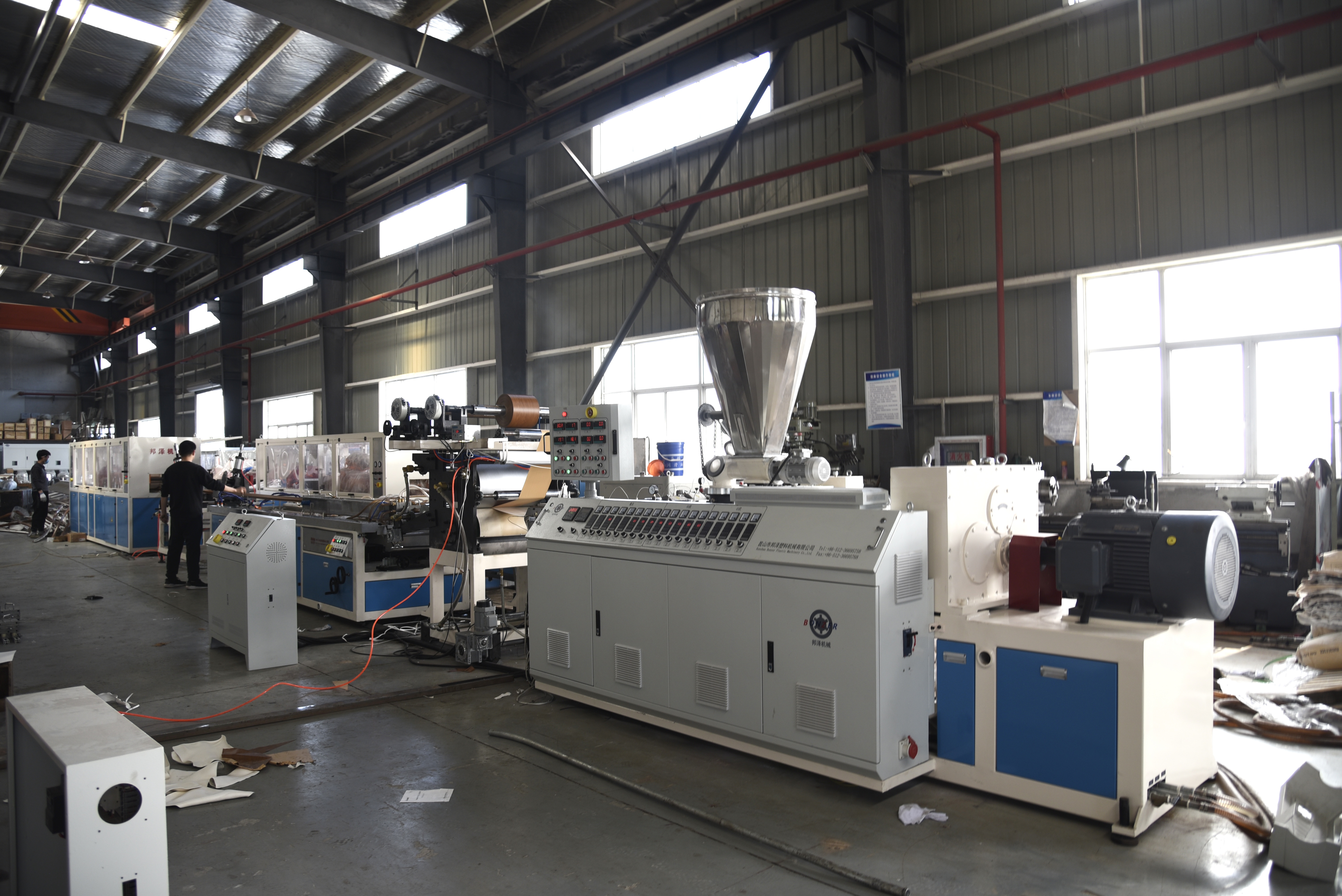
The PVC door board extrusion line is a critical piece of equipment in the production of PVC door boards, widely used in residential and commercial construction. Despite its advanced design, the machine may encounter operational challenges that affect product quality, efficiency, and overall production output.
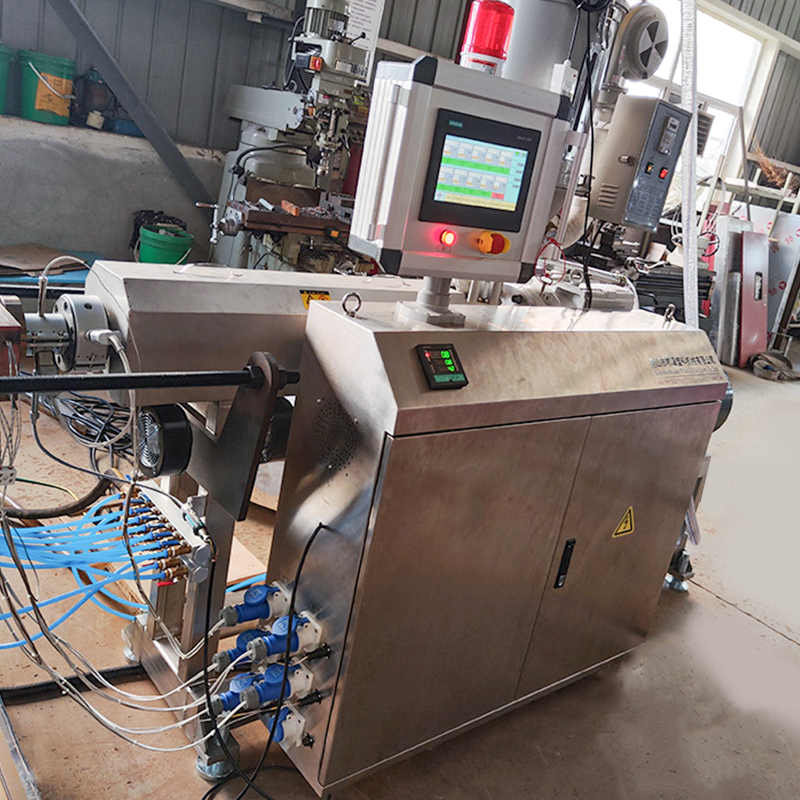
A PVC door board extrusion line is a system designed to transform raw PVC materials into finished door boards through a continuous extrusion process. The line consists of several key components, including the extruder, screw and barrel assembly, die, vacuum calibration table, cooling system, haul-off unit, and cutting system. Each component plays a crucial role in determining the final quality of the door boards, including thickness, surface finish, mechanical strength, and dimensional consistency.
Maintaining a smooth extrusion process requires careful monitoring of machine parameters, raw material quality, and environmental factors. Operators should be familiar with potential problems and their corresponding solutions to minimize production interruptions.
One of the most frequent problems in a PVC door board extrusion line is inconsistent thickness or dimensional errors in the final product. These defects can result from variations in raw material, incorrect machine settings, or wear in critical components.
Causes and solutions:
Surface defects, including rough textures, scratches, or bubbles, are common in PVC door board production. These issues not only affect the appearance but can also compromise the board’s performance.
Causes and solutions:
A stable melt flow is essential for producing high-quality PVC door boards. Variations in flow can lead to defects such as warping, bending, or uneven thickness.
Causes and solutions:
Unexpected stoppages in a PVC door board extrusion line can result in material waste and lost production time. Identifying the root causes is critical for quick recovery.
Causes and solutions:
Warping or bending can occur during or after extrusion and often requires immediate corrective action.
Causes and solutions:
Edges of PVC door boards may experience burning, roughness, or uneven thickness, impacting assembly and finishing processes.
Causes and solutions:
Preventive maintenance is a proactive method to reduce troubleshooting requirements in a PVC door board extrusion line. Regular checks and proper servicing can identify potential problems before they escalate.
The screw and barrel assembly is the heart of the extrusion line. Regular inspections for wear, corrosion, and damage are essential. Lubrication, alignment checks, and replacement according to manufacturer guidelines can prevent flow inconsistency and mechanical failures.
Maintaining a clean and smooth die surface is crucial for product quality. Polishing, inspection for cracks, and temperature calibration can reduce surface defects and thickness variations.
The vacuum calibration and cooling systems should be checked for blockages, leaks, and pump efficiency. Proper water flow, filtration, and temperature stability are key for consistent extrusion results.
Sensors, thermocouples, motors, and control panels must be inspected regularly. Faulty wiring, loose connections, or outdated software can trigger line stoppages or inconsistent production.
The haul-off and cutting units affect final board dimensions. Proper lubrication, belt tension, and alignment prevent warping, bending, or edge defects. Blade sharpening and timely replacement improve cutting precision.
Implementing strict quality control measures is an effective troubleshooting strategy. Monitoring production output for thickness, surface finish, and dimensional accuracy allows operators to identify defects early and take corrective actions. Techniques include:
By combining maintenance, process control, and quality monitoring, operators can minimize defects and maintain a stable production environment.
Operator knowledge is critical for troubleshooting a PVC door board extrusion line. Proper training ensures that personnel can:
Well-trained operators can reduce downtime and maintain product consistency, improving overall line efficiency.
Raw material quality and environmental conditions have a direct impact on extrusion line performance. Troubleshooting methods often require adjustments based on:
Ensuring stable and controlled environmental conditions helps reduce defects such as warping, bubbling, or edge roughness.
| Problem Type | Common Causes | Troubleshooting Methods |
|---|---|---|
| Inconsistent thickness | Screw wear, die misalignment, temperature fluctuation | Inspect/replace screw, adjust die, stabilize heating |
| Surface defects | Moisture, contamination, cooling issues | Pre-dry material, clean extruder, maintain cooling |
| Melt flow inconsistency | Screw mismatch, feeding issues, temperature variation | Adjust screw design, check feeder, monitor heating |
| Stoppages | Mechanical/electrical failures, blockages | Routine maintenance, electrical inspections, clean die/screw |
| Warping/bending | Uneven cooling, residual stress, environment | Adjust cooling, reduce line speed, control ambient conditions |
| Edge defects | Die alignment, haul-off speed, contamination | Align die, adjust puller, clean materials |
Copyright © Kunshan Bonzer Plastics Machinery Co., Ltd. All Rights Reserved. Custom Plastic Machinery Suppliers