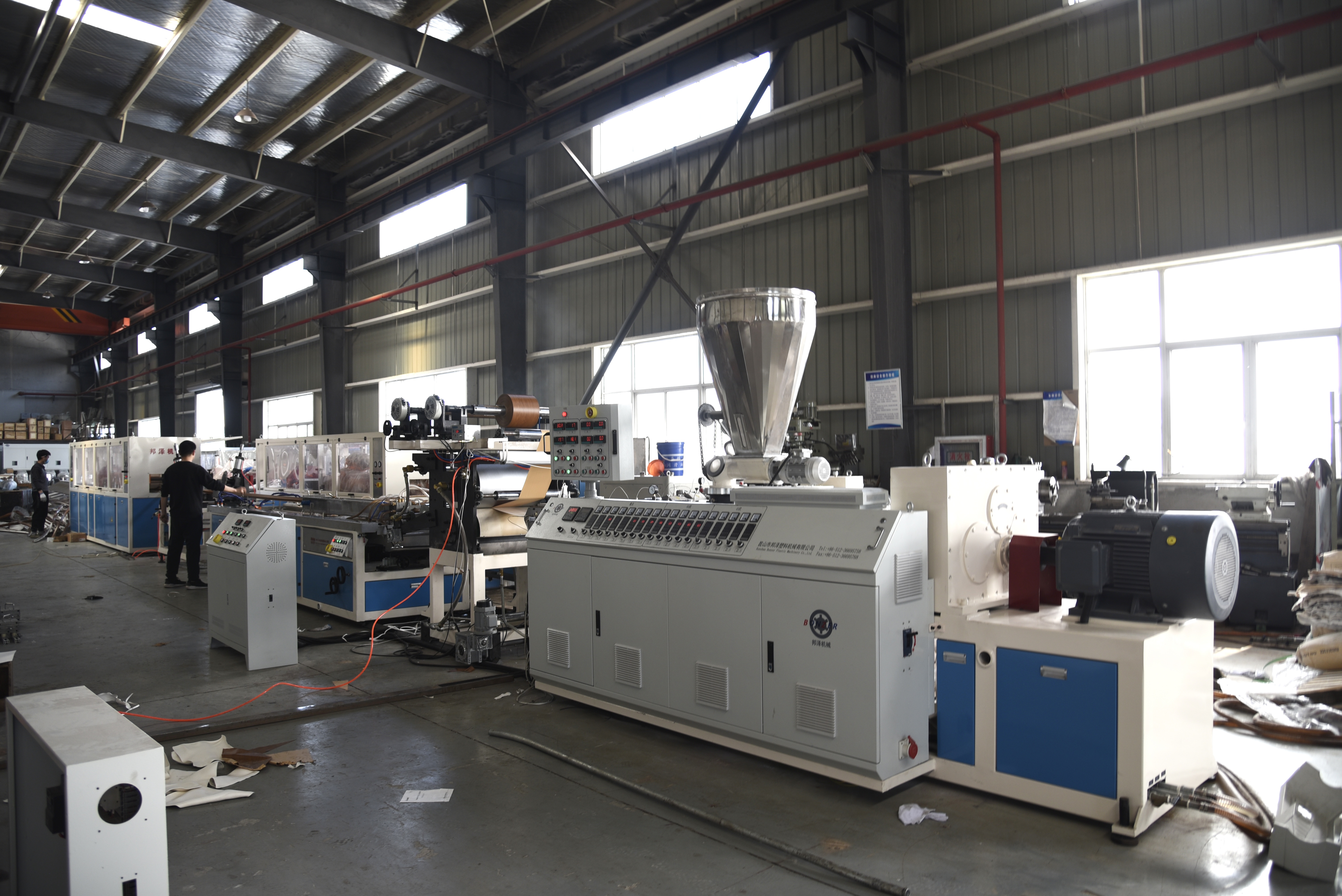
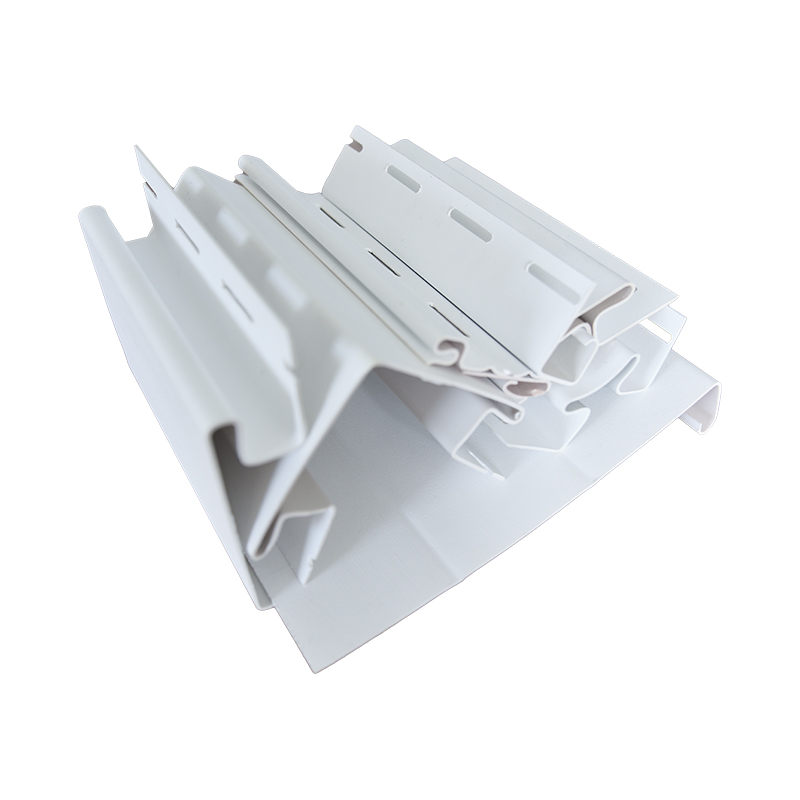
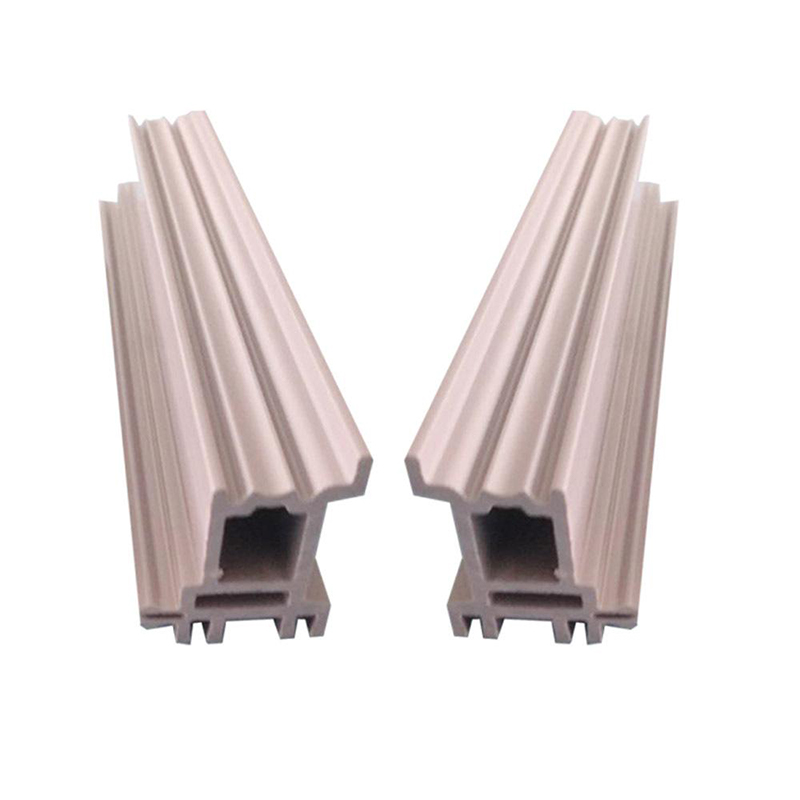
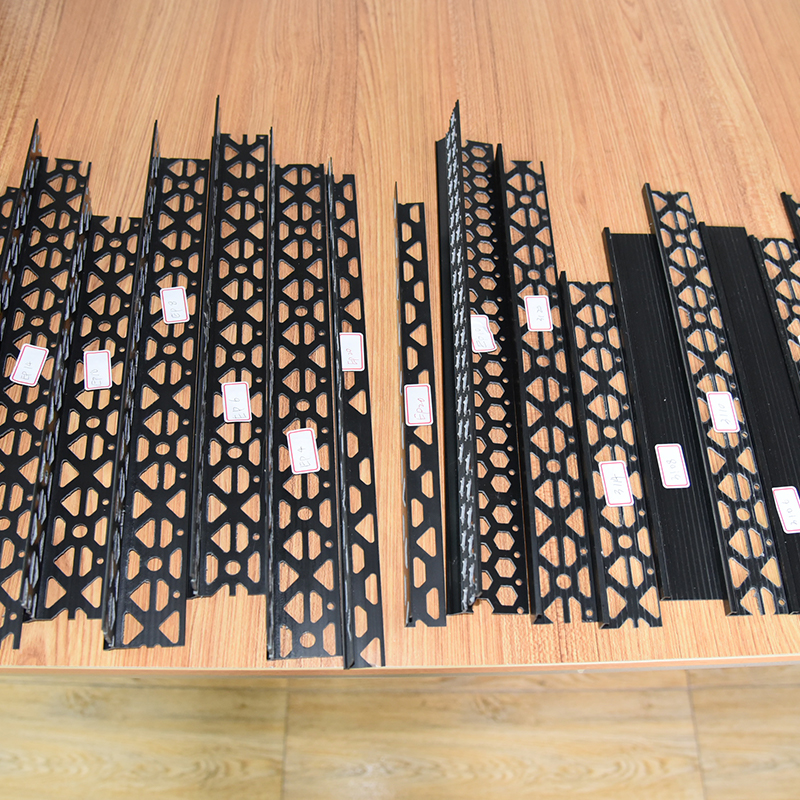
A plastic pipe extrusion line is a continuous manufacturing system that converts raw thermoplastic materials — such as PVC, PE, PP, or ABS — into finished pipes or conduit profiles through a controlled heat-and-pressure process. The core conclusion is straightforward: the performance, dimensional accuracy, and output efficiency of any extruded pipe depend entirely on the design quality and component coordination of the extrusion line.
Modern lines can produce pipes ranging from 16 mm to over 800 mm in diameter at output rates exceeding 500 kg/h, depending on material and tooling. Understanding the system architecture helps operators and buyers make better decisions about configuration, maintenance, and product quality.
Every plastic pipe extrusion line, regardless of the pipe type, shares a set of essential stations. Each component plays a distinct role in determining the final product's quality.
The process begins with a hopper or gravimetric/volumetric dosing unit that feeds dry resin pellets or powder into the extruder barrel. Gravimetric feeders offer ±0.1–0.5% dosing accuracy, which is critical for maintaining wall thickness consistency and reducing material waste. Additives such as stabilizers, pigments, and lubricants are typically blended inline.
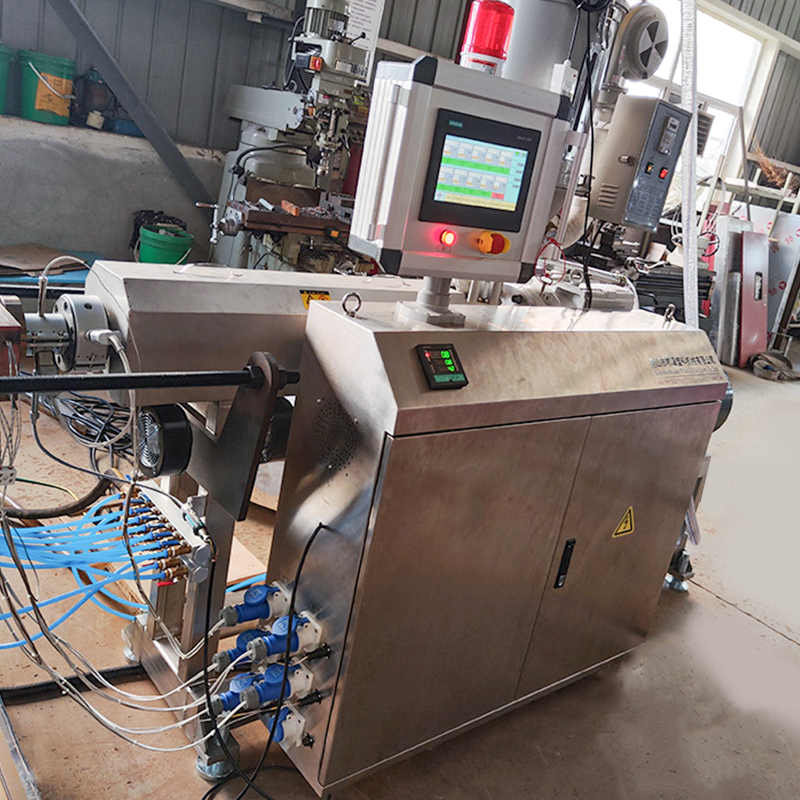
The extruder is the heart of the line. It melts and homogenizes the plastic material through a combination of mechanical shear and barrel heating zones.
Barrel temperature zones are independently controlled, typically in 4 to 8 zones, with melt temperatures ranging from 160°C for PVC to 230°C for HDPE.
The die shapes the molten plastic into a tubular annular profile. Key design features include:
Immediately after the die, the hot pipe enters a vacuum calibration sleeve that fixes the outer diameter under negative pressure (typically -0.04 to -0.08 MPa). The pipe then passes through water cooling tanks — usually 4 to 8 meters long — where the wall temperature is gradually reduced to below 40°C before downstream handling. Cooling uniformity directly impacts roundness tolerance and residual stress levels.
The haul-off unit provides constant, synchronized pulling tension to maintain dimensional stability. Variable-frequency drives (VFDs) allow precise speed control from 0.1 to 10 m/min or higher, synchronized with extruder output to maintain wall thickness within ±0.1 mm for standard pipe grades.
Planetary or orbital saw cutters are standard for rigid pipes, offering clean, burr-free cuts at exact lengths. Servo-driven flying saws can cut on-the-fly without stopping production, boosting throughput significantly. Cutting accuracy of ±1 mm is achievable on modern systems.
The finished pipes are received, sorted, and bundled at the discharge station. Automated stackers reduce labor costs and protect pipe surfaces from handling damage, especially for thin-walled or large-diameter products.
Beyond individual components, the overall design philosophy of a plastic pipe extrusion line determines output quality and long-term reliability.
Consistent melt temperature is non-negotiable. Lines with PID-controlled barrel heating and effective cooling systems maintain melt temperature variation within ±2°C, preventing degradation spots or flow inconsistencies that lead to weak pipe sections.
The extruder screw, haul-off unit, and cutter must operate in closed-loop synchronization. Modern lines use centralized PLC control systems — often with touch-screen HMI interfaces — to coordinate all drive speeds automatically. This eliminates manual adjustment errors and reduces startup scrap by up to 30–40%.
Off-center die positioning creates eccentric wall thickness, a leading cause of pipe rejection in pressure-rated applications. High-precision extrusion heads use fine-thread centering bolts or hydraulic centering mechanisms to achieve die concentricity within 0.05 mm.
Professional extrusion line designs favor a modular, in-line layout where each station is independently mounted on a common base frame with adjustable height. This simplifies changeover between pipe sizes — a critical operational advantage when producing multiple SKUs on the same line.
Different pipe applications require different line configurations. The table below summarizes the main types and their key specifications:
| Line Type | Primary Material | Typical Diameter Range | Main Application | Extruder Type |
|---|---|---|---|---|
| PVC Pressure Pipe Line | UPVC / CPVC | 16–630 mm | Water supply, irrigation | Twin-screw (conical/parallel) |
| HDPE Pipe Extrusion Line | HDPE / MDPE | 20–1200 mm | Gas, water, sewage | Single-screw |
| PP-R Pipe Extrusion Line | PP-R / PP-H | 20–160 mm | Hot/cold plumbing | Single-screw |
| Corrugated Pipe Line | HDPE / PP | 50–1200 mm | Drainage, cable ducting | Single-screw |
| PVC Trunking Extrusion Line | PVC | Custom profiles | Cable management, electrical conduit | Twin-screw (conical) |
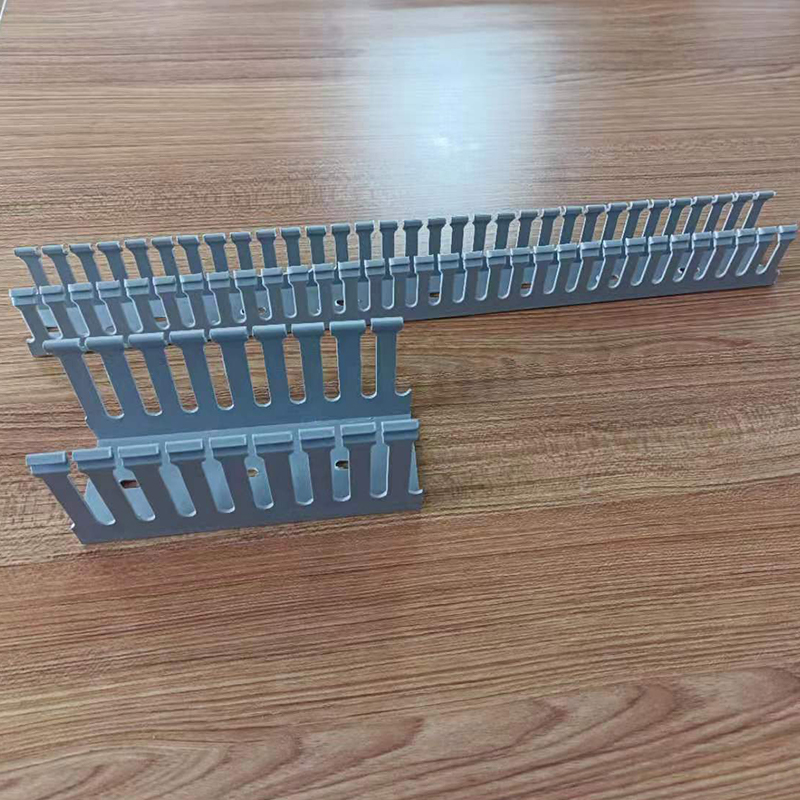
While pipe extrusion handles round cross-sections, profile extrusion lines — particularly those configured for PVC cable trunking — share the same foundational machinery design but require a custom profiling die and additional downstream forming tools. In a PVC trunking line, the profile exits the die as an open or closed rectangular/channel shape, then passes through a vacuum sizing tank that holds the geometry precisely as it cools.
Dimensional tolerances for trunking profiles typically fall within ±0.2 mm on the channel width and ±0.3 mm on height — achievable only with well-designed vacuum calibration and a stable haul-off speed. These systems are widely used to produce cable ducts, wire management channels, and electrical conduit housings used in construction and industrial installations.
Inline quality monitoring is increasingly standard on modern extrusion lines. Key checkpoints include:
Integrating these monitoring tools with the PLC control system allows automatic parameter correction, reducing reliance on manual inspection and cutting scrap rates by as much as 15–25% in high-volume production environments.
Choosing the right line configuration requires evaluating several technical and operational factors:
Single-screw extruders are used for PE and PP materials due to their simpler design and lower cost. Twin-screw extruders — especially counter-rotating conical types — are required for PVC because they provide better mixing, lower shear heat, and reduced thermal degradation of the heat-sensitive PVC compound.
Wall thickness is controlled by the balance between extruder output speed and haul-off speed, combined with accurate die centering. Inline ultrasonic wall thickness gauges provide real-time feedback, enabling automatic adjustments to maintain tolerances typically within ±0.1–0.3 mm.
It fixes the outer diameter of the hot pipe immediately after the die by holding a calibration sleeve against the pipe surface under negative pressure (-0.04 to -0.08 MPa). This ensures dimensional stability as the pipe cools and prevents distortion or ovality.
Yes. Most lines are designed for a size range rather than a single diameter. Changing pipe sizes requires swapping the die, mandrel, calibration sleeve, and sometimes the haul-off cleat pads. Modular line designs minimize changeover time, often to under 2 hours for adjacent sizes.
It is a profile extrusion line configured specifically to produce PVC cable management channels, ducts, and conduit housings. It uses a custom profiling die and vacuum sizing tank to maintain precise rectangular or channel-shaped cross-sections used in electrical and construction installations.
With proper maintenance, the main extruder barrel and screw typically last 8–15 years before requiring reconditioning or replacement. Dies and calibration tools can last over 10,000 operating hours if made from hardened or chrome-plated steel.
Copyright © Kunshan Bonzer Plastics Machinery Co., Ltd. All Rights Reserved. Custom Plastic Machinery Suppliers




 English
 中文简体
中文简体