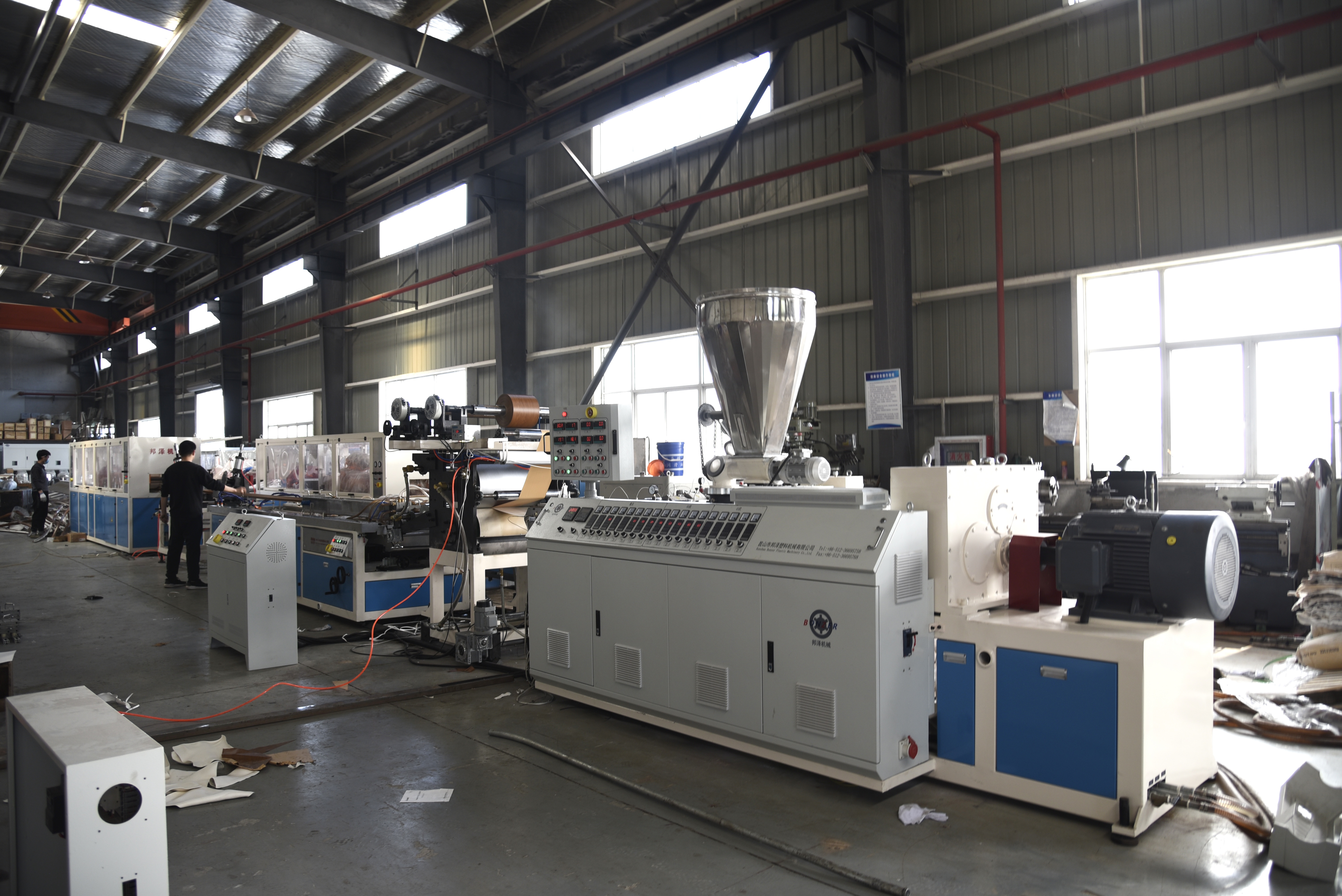
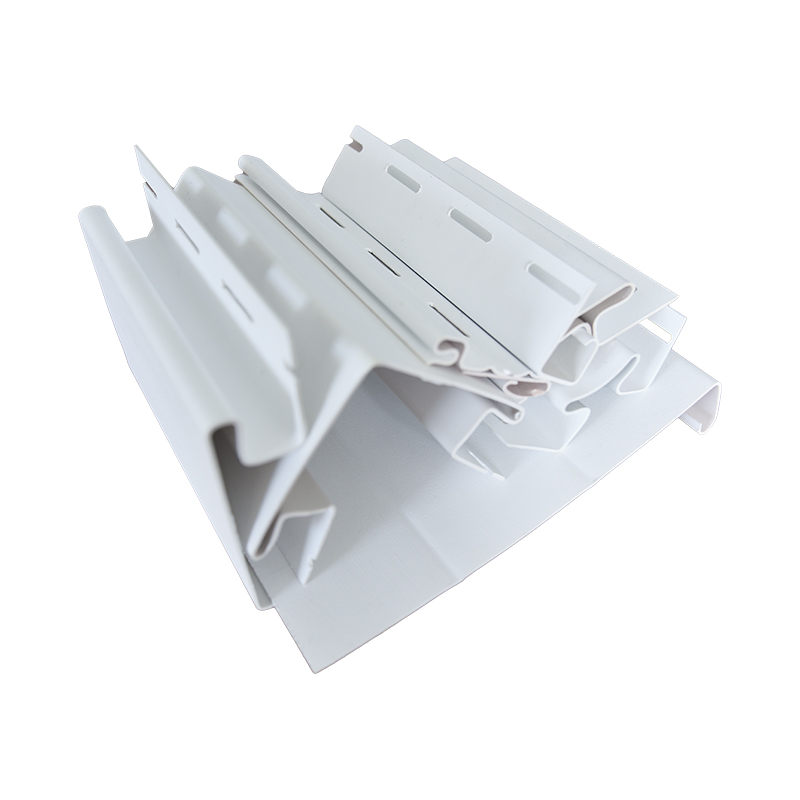
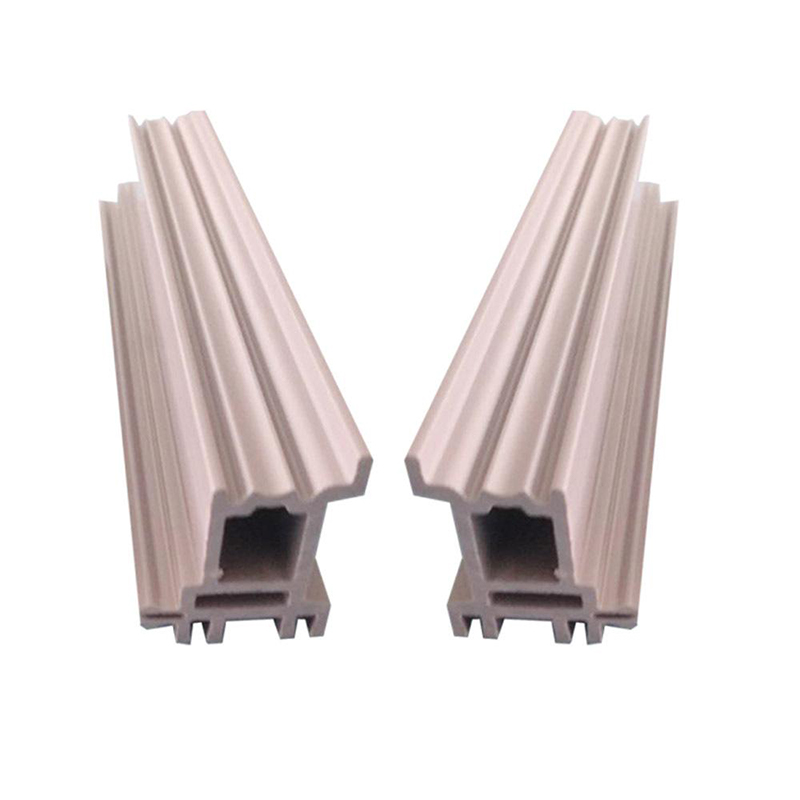
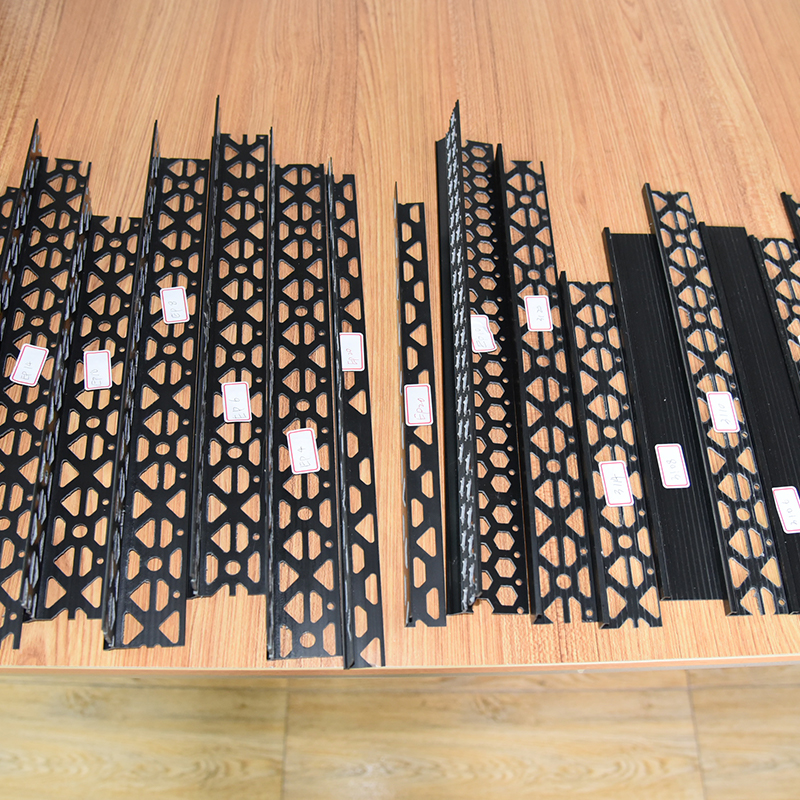
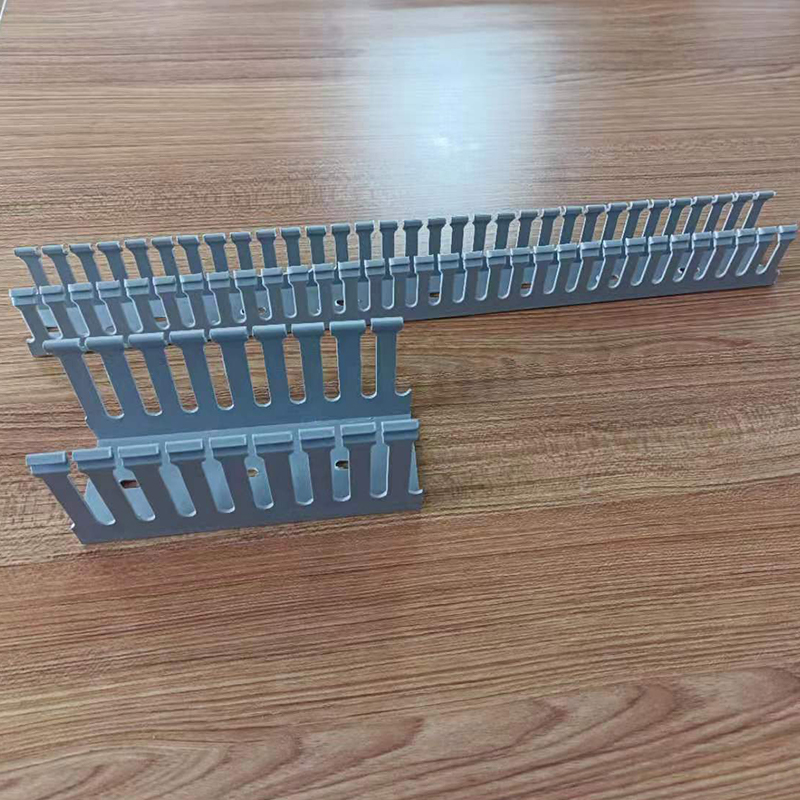
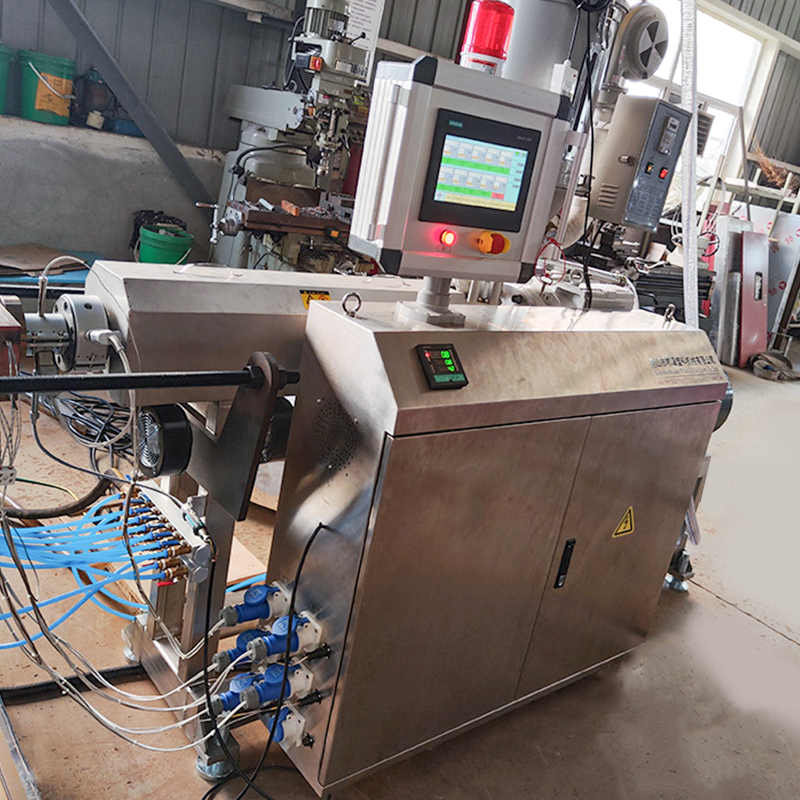
The siding panel extrusion line is a vital part of the PVC siding manufacturing process. It shapes and molds the raw PVC into siding panels, which are then used in various construction and home improvement projects. One of the most important performance metrics for an extrusion line is its line speed, which directly affects production efficiency and product quality.
In this article, we will explore the typical line speed for a PVC siding panel extrusion line, the factors that influence it, and how optimizing line speed can benefit manufacturers. For more details on similar equipment, you can visit the Soffit Siding Panel Extrusion Line page.
The line speed of a PVC siding panel extrusion line can vary significantly based on several factors. These include:
Understanding how these factors interact is crucial for optimizing production speed without compromising product quality. Let’s take a closer look at each factor:
The type of PVC material used in the extrusion process significantly impacts the line speed. PVC can vary in terms of density, viscosity, and temperature behavior, all of which influence the ease of extrusion. Generally, higher-quality, more fluid PVC formulations allow for faster extrusion speeds, as they can be processed more efficiently at lower temperatures.
More complex panel designs, such as those with intricate profiles or thicker materials, require slower line speeds. These designs demand more precise control over the extrusion process to maintain dimensional accuracy and surface quality. Conversely, simpler panel designs can be produced at higher speeds.
The diameter of the extrusion die affects how fast the PVC is pushed through the system. Larger dies generally allow for faster extrusion speeds but require higher levels of heat and pressure to ensure smooth material flow. A balance between die size and processing parameters is necessary to maintain optimal speeds.
Typical line speeds for PVC siding panel extrusion lines can range from 10 meters per minute (m/min) to over 40 meters per minute depending on the factors mentioned earlier. For standard profiles, speeds of around 20-25 m/min are common. However, for more specialized profiles or thicker panels, line speeds may be lower to ensure quality is maintained.
Here’s a breakdown of line speeds based on different types of panels:
| Panel Type | Typical Line Speed (m/min) |
|---|---|
| Standard PVC Siding Panels | 20-25 |
| Thicker Panels (Heavy-duty) | 15-20 |
| Complex Profile Panels | 10-15 |
Optimizing extrusion line speed can improve productivity, but it is essential to consider the balance between speed and quality. Here are some best practices to optimize your PVC siding panel extrusion line:
The maximum line speed can vary depending on the panel thickness and design complexity. For standard panels, speeds up to 40 meters per minute are achievable, but this may decrease for thicker or more complex profiles.
Larger extrusion dies can accommodate faster speeds by allowing more material to flow through at once. However, this requires careful temperature and pressure management to avoid defects in the finished product.
Yes, by ensuring the right balance of material quality, die settings, and cooling processes, you can increase line speed while maintaining high-quality output. It’s important to monitor the entire system closely during optimization.
Copyright © Kunshan Bonzer Plastics Machinery Co., Ltd. All Rights Reserved. Custom Plastic Machinery Suppliers




 English
 中文简体
中文简体