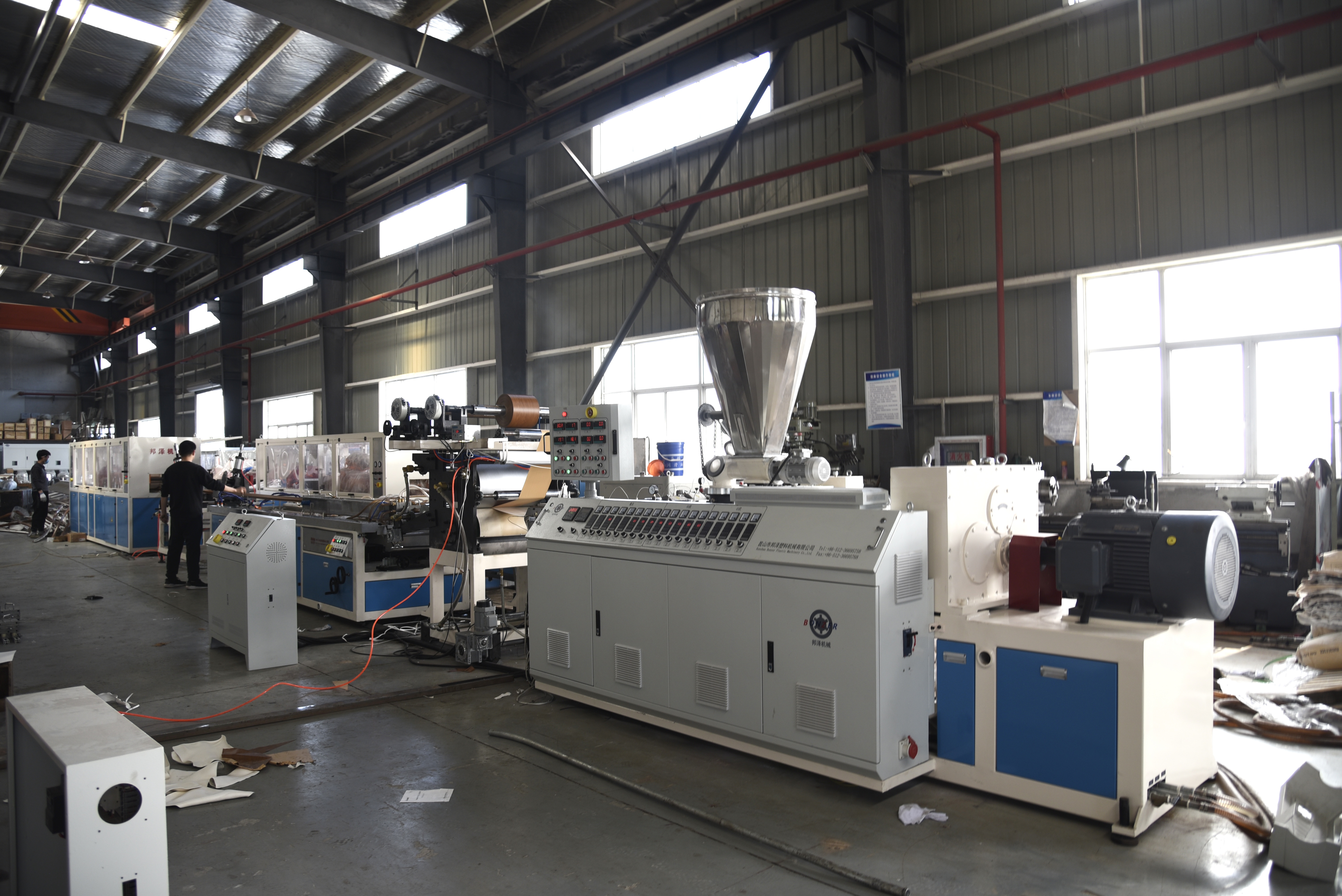
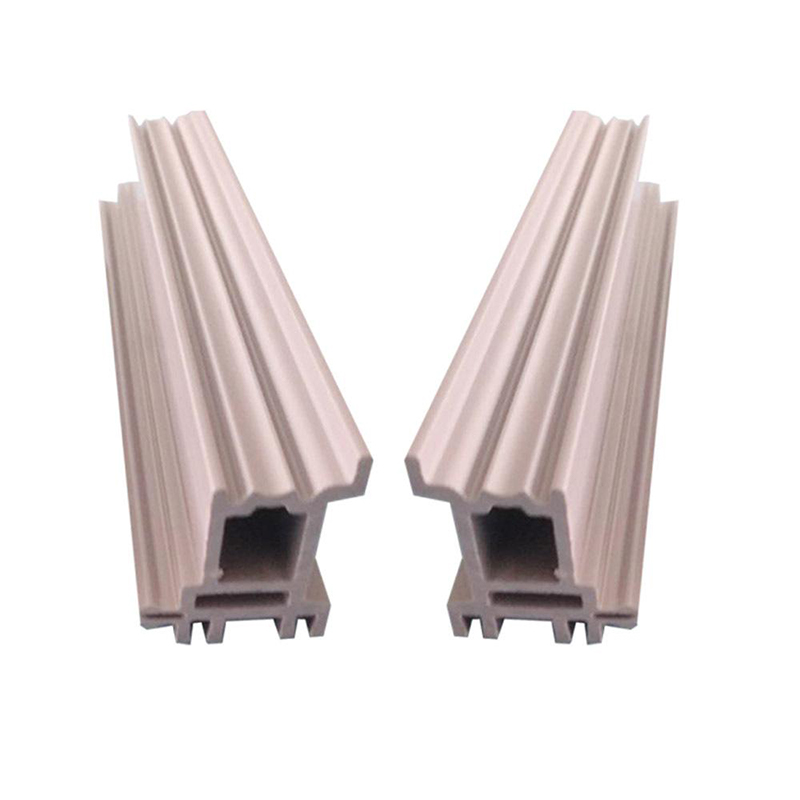
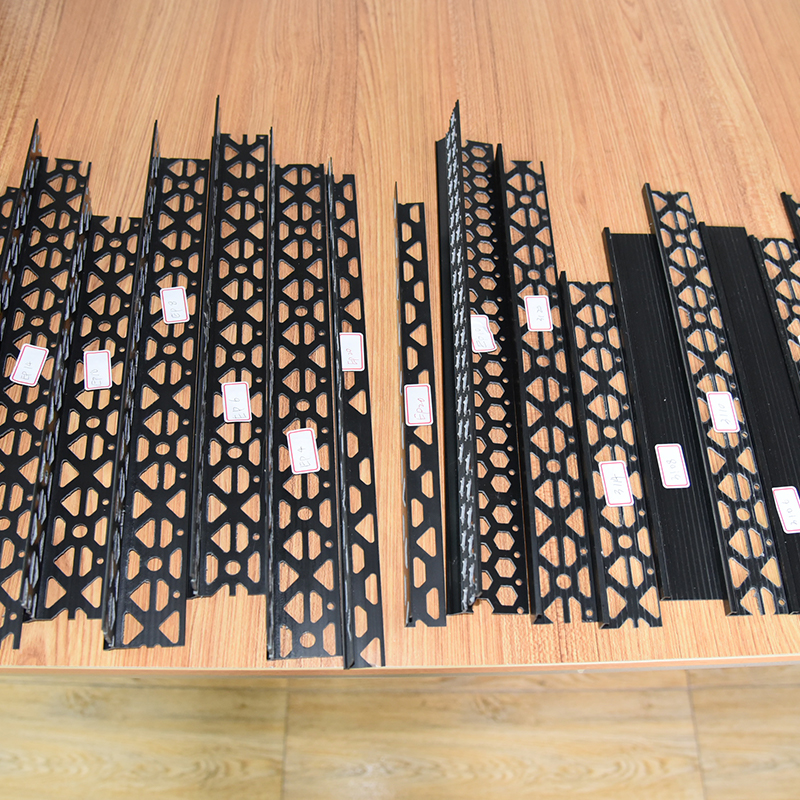
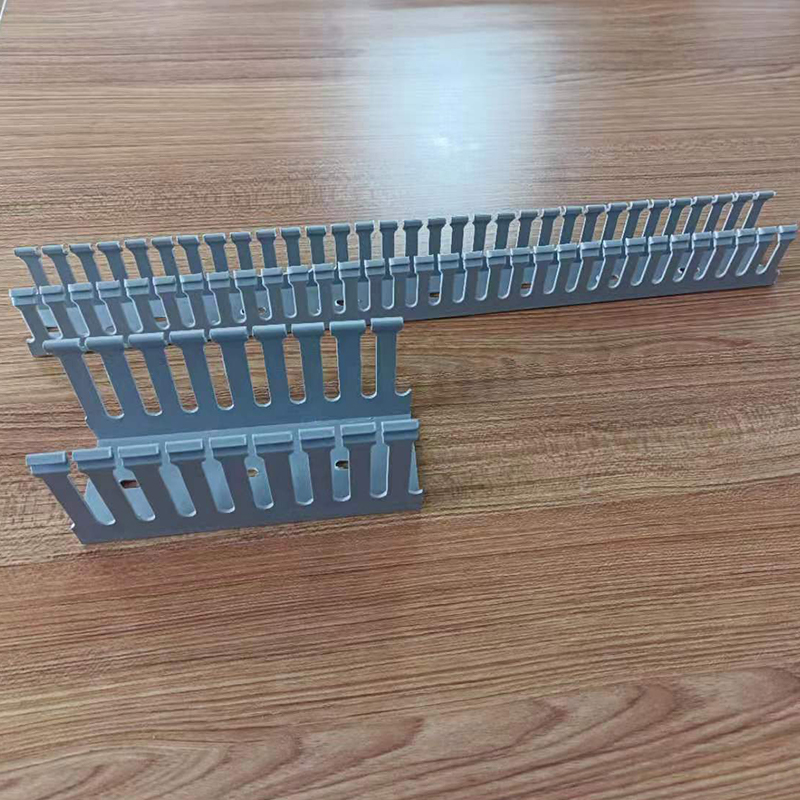
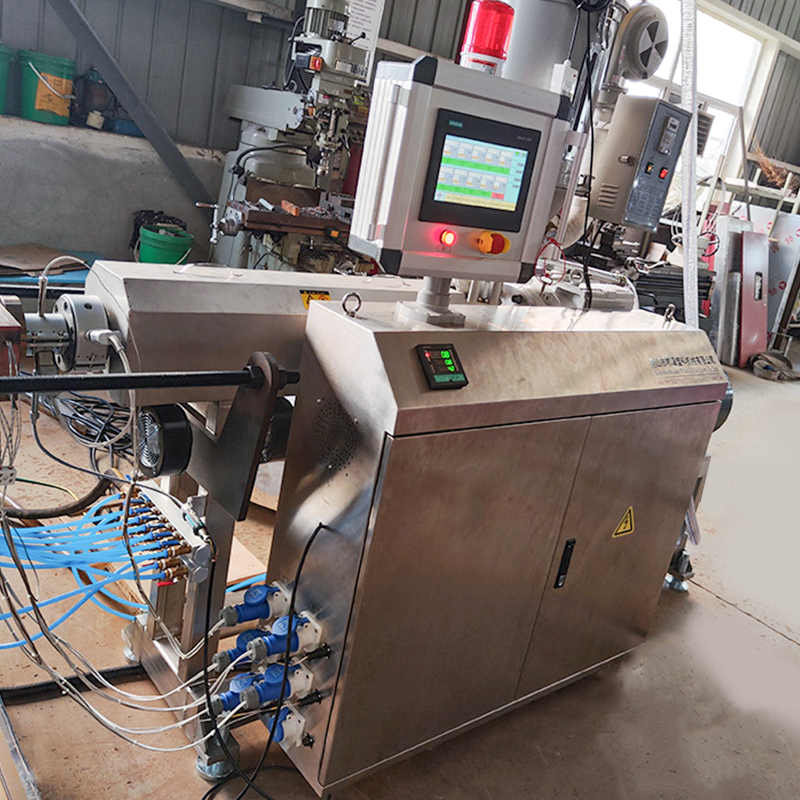
In the manufacturing world, the success of a profile extrusion line depends heavily on the compatibility between the machinery and the raw thermoplastic materials. Profile extrusion is a specialized process used to create products with a continuous cross-section, such as window frames, pipes, seals, and structural tracks. Unlike film or sheet extrusion, profile extrusion requires materials with high melt strength to maintain complex shapes as they exit the die and enter the cooling stage.
Choosing the right material involves balancing physical properties, environmental resistance, and processing ease. For B2B procurement managers and engineers, understanding these nuances is critical to reducing scrap rates and ensuring the longevity of the final product in industrial or consumer applications.
PVC remains the most widely used material in the profile extrusion industry, accounting for a significant portion of global production. It is favored for its versatility, as it can be formulated into both Rigid (uPVC) and Flexible (pPVC) versions.
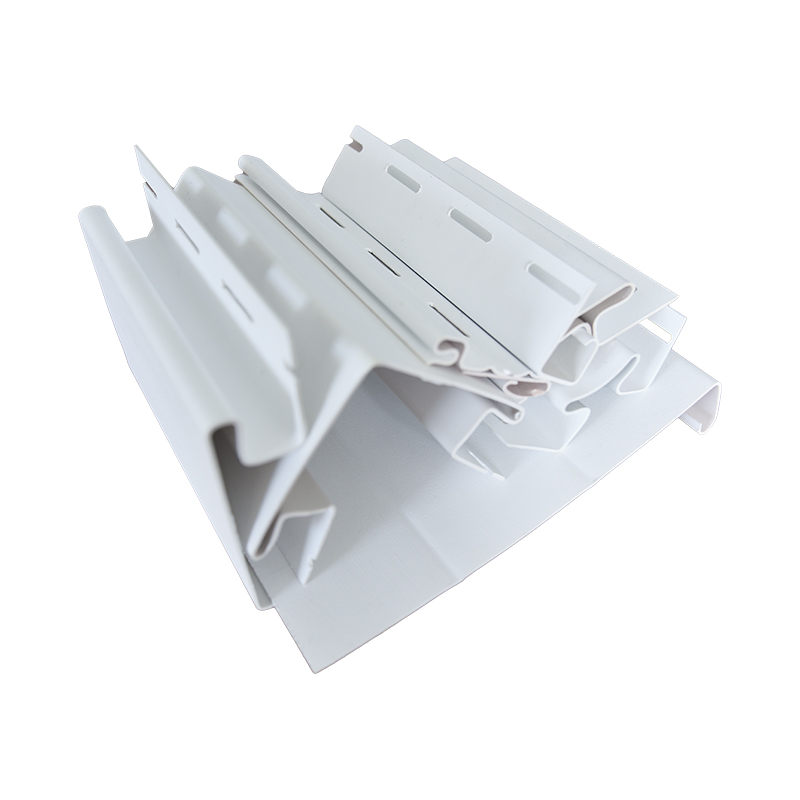
Unplasticized PVC is the backbone of the construction industry. It offers excellent UV stability and flame retardancy, making it the primary choice for window profiles and exterior cladding.
By adding plasticizers, PVC becomes pliable. This material is essential for gaskets, seals, and tubing. In a profile extrusion line, flexible PVC requires precise temperature control to prevent degradation while maintaining the "memory" of the extruded shape.
HDPE is known for its high strength-to-density ratio. In profile extrusion, it is frequently used for industrial piping, wear strips, and agricultural components. Its superior chemical resistance allows it to handle harsh environments without corroding or leaching.
| Property | Performance Level | Common Use Case |
| Moisture Resistance | Excellent | Marine Dock Profiles |
| Flexibility | Moderate | Corrugated Pipes |
| Recyclability | Very High | Eco-friendly Decking |
Polypropylene is a favored material when weight reduction is a priority. It has a lower density than other thermoplastics, which can lead to significant material cost savings over long production runs. PP is highly resistant to fatigue, making it perfect for profiles that involve integral hinges or repeated mechanical stress.
In the context of a profile extrusion line, PP requires a well-designed cooling system because it has a high crystalline melting point and can shrink significantly if not managed correctly during the calibration phase.
For high-performance applications, standard polymers may not suffice. Acrylonitrile Butadiene Styrene (ABS) and Polycarbonate (PC) are often utilized for their specific mechanical advantages.
ABS provides a glossy finish and high impact toughness. It is commonly found in the automotive industry for interior trims and in the electronics industry for protective housings. It extrudes with excellent dimensional stability, which is vital for profiles that must snap-fit into other components.
When optical clarity or extreme heat resistance is required, Polycarbonate is the go-to material. Transparent PC profiles are used in lighting fixtures (diffusers) and medical device components. However, PC is hygroscopic and requires thorough drying before entering the extrusion hopper to prevent bubbles and structural weaknesses.
The machinery itself must be tailored to the material being processed. A line designed for PVC might not be suitable for HDPE without modifications to the screw design and heating zones. Key components include:
Efficient processing is measured by output per hour and dimensional tolerance. Modern lines now incorporate automated thickness gauges to adjust parameters in real-time, reducing waste by up to 15% in high-speed operations.
When sourcing a production system or selecting a material supplier, B2B buyers should evaluate the following criteria to ensure long-term ROI:
PVC is highly adaptable, naturally flame-resistant, and relatively low-cost, making it ideal for the massive volumes required in the construction and window industries.
Yes, but it requires changing the screw and die, and adjusting the temperature controls. Some materials may also require different cooling methods (air vs. water).
Common signs include uneven wall thickness, surface pitting (often from moisture), and "sharkskin" or rough surface finishes caused by improper melt temperatures.
Materials with high thermal conductivity cool faster, allowing for higher line speeds. Conversely, complex engineering plastics may require slower speeds to ensure structural integrity.
Copyright © Kunshan Bonzer Plastics Machinery Co., Ltd. All Rights Reserved. Custom Plastic Machinery Suppliers




 English
 中文简体
中文简体