
 English
 中文简体
中文简体
Home / News / Industry News / How to Design Optimal Plastic Extrusion Tooling for Enhanced Production Efficiency
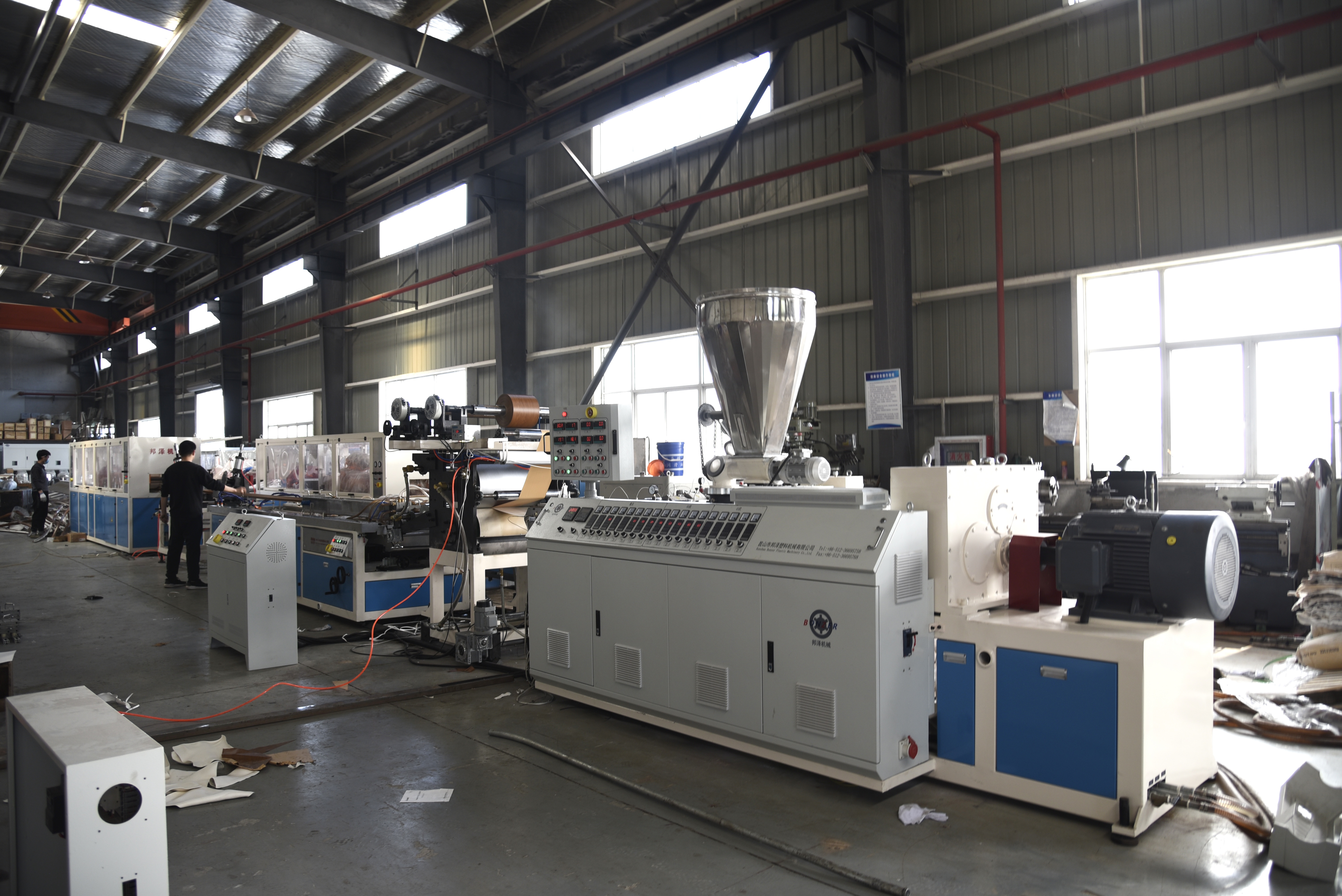
Plastic extrusion tooling represents a critical component in modern manufacturing, directly influencing the quality, efficiency, and cost-effectiveness of polymer production. Whether designing for a pvc profile production line or establishing a pe pipe production line, engineers must comprehend the intricate relationship between die design, material properties, and processing parameters.
The tooling system comprises multiple integrated components working in concert. At its core, the extruder barrel and screw push melted plastic material toward the die. The die then shapes the molten material into the desired profile or pipe geometry. Downstream, cooling systems solidify the material while calibration equipment maintains dimensional accuracy. Understanding how these elements interact forms the foundation for effective tooling design.
PVC pipe extrusion machines operate under distinct conditions compared to other polymer systems. PVC exhibits thermal sensitivity, requiring precise temperature control throughout the extrusion process. This characteristic demands specialized tooling configurations that prevent degradation while achieving consistent melt flow. Similarly, PE pipe production systems need to accommodate the higher processing temperatures and different flow characteristics of polyethylene materials.
The economics of extrusion tooling cannot be overlooked. Quality tooling design reduces scrap rates by 15-25%, while optimized die geometries can increase throughput by 20-30%. These improvements translate directly to reduced production costs and enhanced profitability. Conversely, poorly designed tooling can create bottlenecks, increase material waste, and necessitate frequent maintenance, ultimately eroding operational margins.
The die represents the most critical element in the extrusion tooling assembly. Its primary function involves transforming the circular cross-section of the extrusion barrel into the final product geometry. Effective die design requires balancing multiple competing objectives: achieving uniform melt distribution, minimizing pressure drop, preventing material stagnation, and reducing thermal degradation.
The approach channel in a die design serves to accelerate the melt and direct it toward the main forming section. Improper approach channel design can lead to uneven velocity profiles, resulting in dimensional inconsistencies and surface defects. Engineers must carefully calculate the channel dimensions to ensure laminar flow conditions and prevent turbulence that could introduce air bubbles or material degradation.
The land section of a die controls the final product dimension and surface finish. This section maintains consistent pressure on the material as it exits the die cavity, ensuring dimensional stability. For pvc pipe extrusion machines, land length typically ranges from 5 to 15 times the pipe wall thickness, depending on the specific material grade and processing parameters.
The bearing section represents the area where the material is compressed and shaped into its final form. In pipe extrusion, the bearing maintains both inner and outer diameters with tight tolerances. Bearing design directly correlates with product quality—inadequate bearing length produces dimensional variations, while excessive length generates unnecessary back pressure.
Temperature uniformity across the die exit represents a critical success factor. Variations in melt temperature create corresponding variations in melt viscosity, leading to uneven flow rates and dimensional inconsistencies. For PVC processing, maintaining a melt temperature window of 190-200°C requires careful attention to heater placement and coolant circulation throughout the die body.
Modern extrusion tooling incorporates sophisticated thermal management systems. The die itself must be heated to maintain material fluidity, yet must also be cooled selectively to prevent material degradation. This dual requirement creates a complex thermal environment that demands precise control.
Band heaters wrapped around the die body provide the primary heat input for pvc pipe extrusion machines. These heaters must be sized appropriately—oversized heaters create temperature overshooting and material degradation, while undersized heaters fail to maintain proper processing temperatures. Typical power requirements range from 15-50 kW depending on die size and production rate.
Effective cooling systems remove excess heat generated by shear friction within the extrusion process. Water cooling channels integrated into the die body provide targeted cooling in critical areas. For pe pipe production lines, the cooling system must balance rapid solidification with avoiding thermal shock that could introduce internal stresses.
The cooling water temperature, flow rate, and inlet location significantly impact product quality. Studies demonstrate that optimized cooling systems can reduce product warping by 40% and improve dimensional accuracy within ±0.5mm. Channel configuration should follow the material flow path, ensuring uniform cooling rates throughout the product cross-section.
| Cooling Parameter | PVC Pipe Extrusion | PE Pipe Production |
|---|---|---|
| Water Temperature Range | 35-45°C | 25-35°C |
| Flow Rate Per Channel | 20-30 L/min | 25-40 L/min |
| Cooling Time to Set | 8-12 seconds | 10-15 seconds |
Pipe calibration systems employ vacuum chambers to maintain precise dimensional control as the extrudate cools. Inside the calibration die, adjustable fingers apply inward pressure, constraining the pipe to exact outer diameter specifications. This technology proves essential for both pvc pipe extrusion machines and pe pipe production lines, where tolerance adherence directly affects installation compatibility and performance.
Vacuum calibration operates on a straightforward principle: as the pipe enters the calibration die, a vacuum is applied, drawing the pipe against precision-machined walls. The calibration duration typically spans 5-15 seconds, during which the material begins to solidify and retain its final dimensions. Inadequate vacuum levels result in oval pipe geometry, while excessive vacuum can distort thinner-walled products.
The haul-off system pulls the cooled product through the calibration equipment at controlled speed. This speed directly determines the production rate and must be synchronized with extrusion throughput to prevent pinch points or gaps that compromise product continuity. Modern systems employ variable-frequency drives that adjust haul-off speed in real-time based on downstream feedback.
Precision synchronization between extrusion rate and haul-off speed maintains consistent wall thickness within ±5-10%. For pvc profile production lines, this synchronization becomes even more critical due to the complex geometries involved and the material's tendency toward viscous recovery after exiting the die.
PVC presents unique challenges for extrusion tooling design. This material exhibits thermal sensitivity, with degradation beginning around 200°C. Consequently, pvc pipe extrusion machines require carefully designed dies that minimize shear heating while maintaining adequate melt pressure for complete filling.
PVC demonstrates non-Newtonian behavior, meaning its viscosity changes significantly with shear rate. High-speed extrusion in poorly designed dies generates excessive shear, raising melt temperature and promoting thermal degradation. Well-designed dies minimize velocity gradients, reducing thermal stress on the polymer.
Polyethylene, particularly in PE pipe production lines, displays different processing characteristics. PE exhibits higher thermal stability, permitting higher melt temperatures and faster processing speeds. However, this material is prone to surging at lower shear rates, requiring die designs that maintain consistent backpressure across the entire flow path.
The molecular weight distribution of PE dramatically influences tooling design. High-density polyethylene (HDPE) for pipe applications typically requires long, relatively high-pressure dies that generate sufficient backpressure for stable processing. Lower-pressure dies designed for HDPE often underperform with linear low-density polyethylene (LLDPE), resulting in unstable extrusion.
Contemporary extrusion tooling integrates sophisticated monitoring systems that track critical parameters throughout the production process. Pressure transducers at the die entrance provide early warning of die blockages or material degradation. Temperature sensors distributed throughout the die enable closed-loop thermal control systems that maintain melt temperature within ±2°C.
Optical measurement systems continuously monitor product dimensions at the die exit. These systems employ laser or vision-based technology to detect diameter variations in real-time, triggering automatic compensation through haul-off speed adjustments. Implementation of such systems typically reduces tolerance exceedances from 3-5% to less than 0.5%.
Complementing real-time monitoring, periodic offline testing ensures comprehensive quality evaluation. Standard assessments include:
These assessments identify systemic issues requiring tooling adjustment before they compromise large production batches. Regular offline testing protocols form an essential component of any robust quality assurance system.
Extrusion dies represent significant capital investments. A precision PVC pipe die can cost $15,000-$40,000 depending on complexity and size. Protecting this investment through systematic maintenance extends operational life and maintains performance consistency.
Thermal cycling stresses die components, creating micro-cracks over extended operation. Proper shutdown procedures that gradually reduce heating prevent thermal shock. Similarly, careful cleaning procedures between material grades or color changes prevent buildup of degraded material that could scratch precision surfaces.
Regular purging maintains die cleanliness and prevents material stagnation in low-flow areas. For pvc pipe extrusion machines, purging compounds specifically formulated for PVC systems help remove degraded material that accumulates on die walls. These compounds, when properly selected and used, minimize abrasive removal of precision surfaces.
Chemical cleaning should only occur when necessary, as aggressive solvents can damage internal coatings and precision surfaces. Most operational issues resolve through mechanical purging with compatible purging materials applied at controlled temperatures and pressures.
Establishing a new extrusion production line requires substantial tooling investment. Beyond the die itself, comprehensive tooling includes calibration dies, sizing mandrels, haul-off equipment, and cooling systems. For a complete pe pipe production line capable of 500-1000 kg/hour output, total tooling costs typically range from $80,000 to $250,000.
This significant investment necessitates careful analysis to ensure economic viability. Production volume projections, material costs, energy consumption, and maintenance requirements must all factor into the investment decision. A production line designed for peak efficiency over a 10-year operational life distributes tooling costs across sufficient volume to justify the investment.
High-quality tooling reduces operational costs through multiple mechanisms. Reduced scrap rates directly decrease material costs. Improved dimensional consistency minimizes customer returns and rework. Enhanced thermal efficiency reduces energy consumption. Optimized die designs decrease processing pressure, reducing wear on extrusion equipment and extending component life.
Comprehensive analysis across multiple production lines shows that optimized tooling typically achieves payback periods of 18-36 months through operational cost reduction alone. Beyond the payback period, the operational advantage compounds, creating significant competitive differentiation.
Modern extrusion tooling development increasingly incorporates computational fluid dynamics (CFD) simulation. These sophisticated models predict melt flow behavior, temperature distribution, and velocity profiles throughout the die geometry. By identifying problematic flow patterns before physical construction, CFD analysis reduces development time and cost while improving final design performance.
Simulation technology enables engineers to evaluate multiple design iterations virtually, selecting the optimal configuration before committing to expensive die construction. This approach proves particularly valuable for complex pvc profile production lines where intricate geometries create challenging flow conditions.
Advanced tooling designs increasingly employ modular construction, where interchangeable sections allow rapid changes between different product configurations. A single basic die body can accommodate multiple approach channels, different bearing sections, and alternative flow distribution systems. This flexibility enables manufacturers to expand product portfolios without proportionally increasing tooling investment.
Modular systems prove especially valuable in pe pipe production lines where producing multiple pipe sizes often occurs on the same extrusion equipment. Changing dies requires only a few minutes, enabling rapid response to market demand changes or customer orders.
Sustainable manufacturing increasingly influences tooling design decisions. Well-designed extrusion dies minimize processing pressure, reducing energy consumption in the extrusion motor. For pvc pipe extrusion machines operating continuously, this efficiency improvement translates to substantial annual energy savings and reduced carbon footprint.
Advanced cooling systems that optimize water flow and temperature further enhance energy efficiency. Some modern systems employ closed-loop cooling with heat recovery, redirecting waste heat to preheating incoming process water. Over a year of continuous operation, such systems can reduce energy consumption by 15-20%.
Precise tooling design minimizes scrap generation during startup and normal operation. Less scrap means less material returning to the raw material cost structure, and less energy expended in material processing. For manufacturers processing recycled plastics, tooling precision proves particularly valuable, as recycled materials often contain contaminants that require more careful processing control.
Variations in wall thickness often trace to melt flow imbalances within the die. Possible causes include uneven melt temperature, imbalanced pressure distribution, or calibration equipment misalignment. Diagnostic procedures should systematically evaluate each potential cause, starting with verification of melt temperature uniformity and progressing to pressure measurement at various die locations.
Surface quality issues—including orange peel texture, pitting, or scratches—indicate either die blockage, material degradation, or calibration equipment contact. For pvc pipe extrusion machines, carbon formation from thermal degradation creates particularly persistent surface defects. Addressing these issues requires systematic cleaning and temperature verification before attributing defects to equipment design.
When extrusion equipment cannot achieve target production rates despite adequate motor capacity, the tooling design likely restricts material flow. High extrusion pressure at low motor amperage suggests die flow restriction. Detailed pressure mapping throughout the die geometry identifies the specific restriction location, guiding design modifications or purging procedures that resolve the limitation.
Well-maintained extrusion dies typically operate for 5-10 years of continuous or semi-continuous production. Lifespan depends heavily on material type, processing temperatures, maintenance rigor, and operating hours. PVC dies often last longer than those processing more aggressive polymers due to lower processing temperatures. Proper thermal management and regular cleaning procedures can significantly extend die life.
Cleaning frequency depends on production schedule and material type. For pvc pipe extrusion machines running continuously on a single material, comprehensive cleaning every 2-4 weeks prevents material buildup. When changing materials or colors, purging with appropriate purging compounds occurs between material changes. More frequent cleaning becomes necessary with recycled materials or materials containing contaminants.
Generally, dies designed specifically for one material type should not be repurposed for different polymers. Different materials require different processing temperatures, pressures, and flow characteristics. A die optimized for PE pipe production may generate excessive pressure or inadequate melt quality when processing PVC. Cross-material use typically results in compromised product quality or tooling damage.
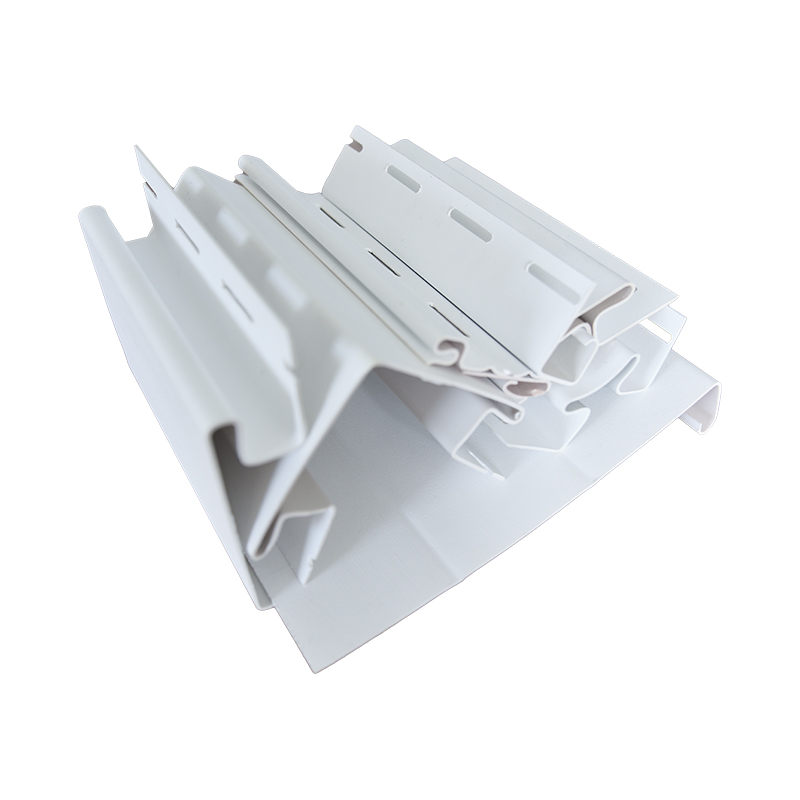
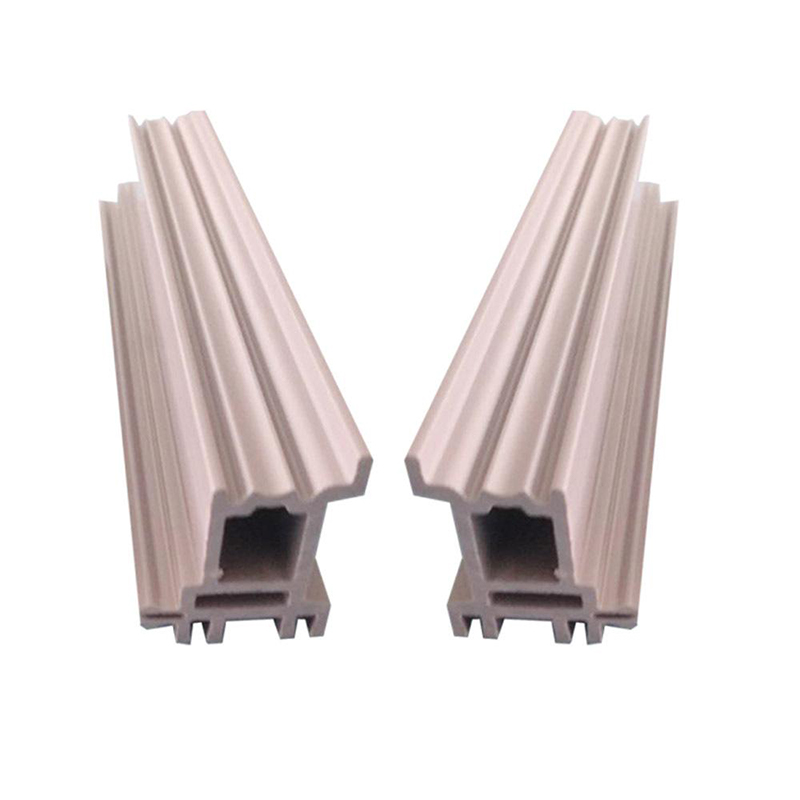
Pipe extrusion dies produce hollow cylindrical geometries with uniform wall thickness. Profile dies create more complex cross-sections with varied wall thicknesses. Profile extrusion requires more sophisticated flow distribution and presents greater challenges in achieving uniform wall thickness across complex geometries. A pvc profile production line therefore typically requires more complex and higher-cost tooling than equivalent pipe production capacity.
Melt temperature profoundly influences both die performance and product quality. Higher melt temperatures reduce material viscosity, enabling faster extrusion speeds and lower processing pressure. However, excessive temperature promotes material degradation, particularly with PVC. Lower temperatures increase viscosity, raising processing pressure and slowing production. The optimal temperature window balances throughput with material preservation and product quality.
Back pressure—the resistance to material flow through the die—influences screw operation, melt homogeneity, and product dimensional consistency. Excessive back pressure strains extrusion equipment and increases processing temperature. Insufficient back pressure prevents proper material mixing and can create surging or flow instability. Optimal die design generates back pressure within the range for which the extrusion equipment was designed.
Indications for die replacement include: inability to maintain product specifications despite adjusting processing parameters, persistent surface defects that resist cleaning efforts, excessive back pressure compared to historical norms, and visible physical damage. If thermal cycling or attempted repairs have compromised die integrity, replacement becomes more cost-effective than continued repair efforts.
Copyright © Kunshan Bonzer Plastics Machinery Co., Ltd. All Rights Reserved. Custom Plastic Machinery Suppliers