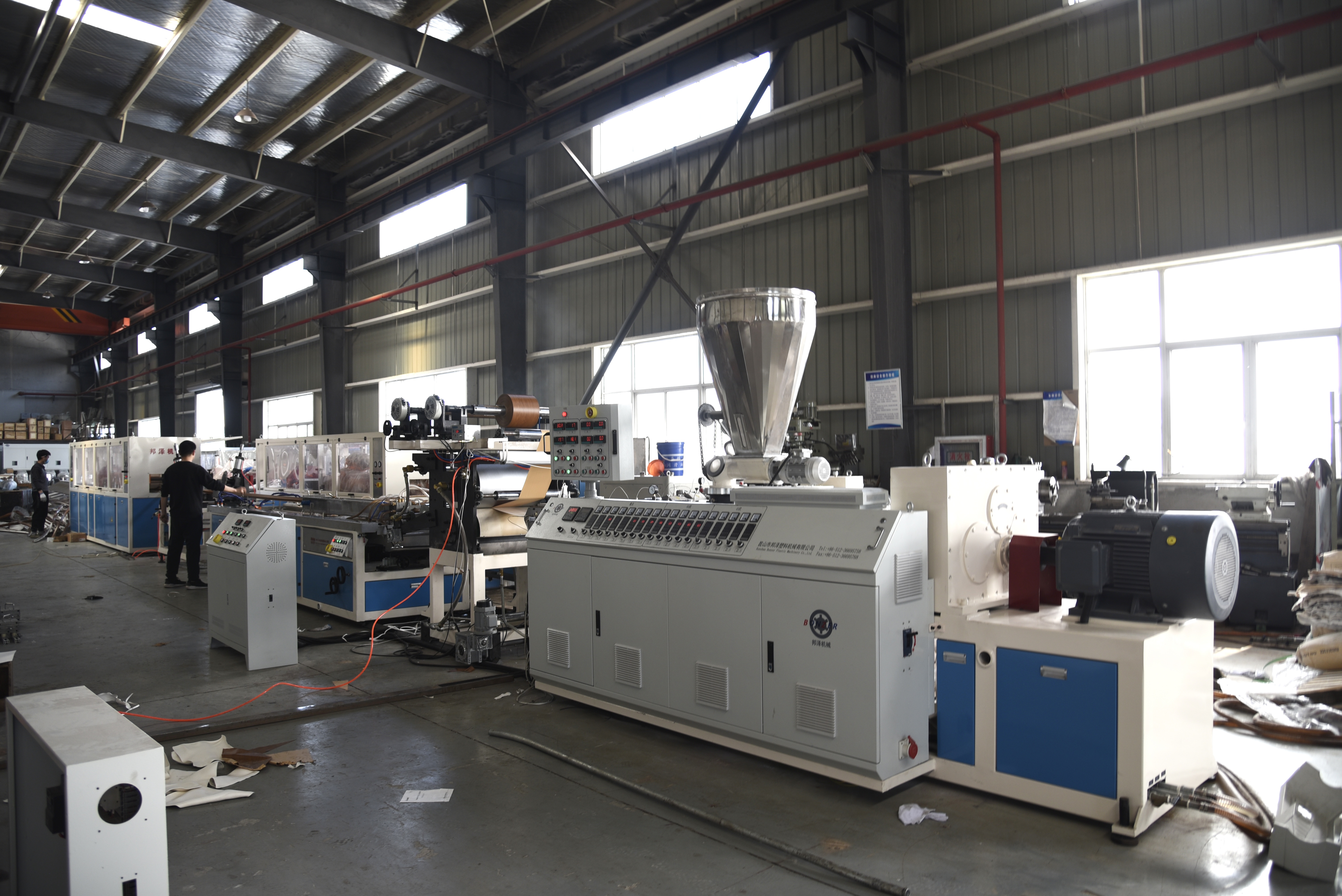
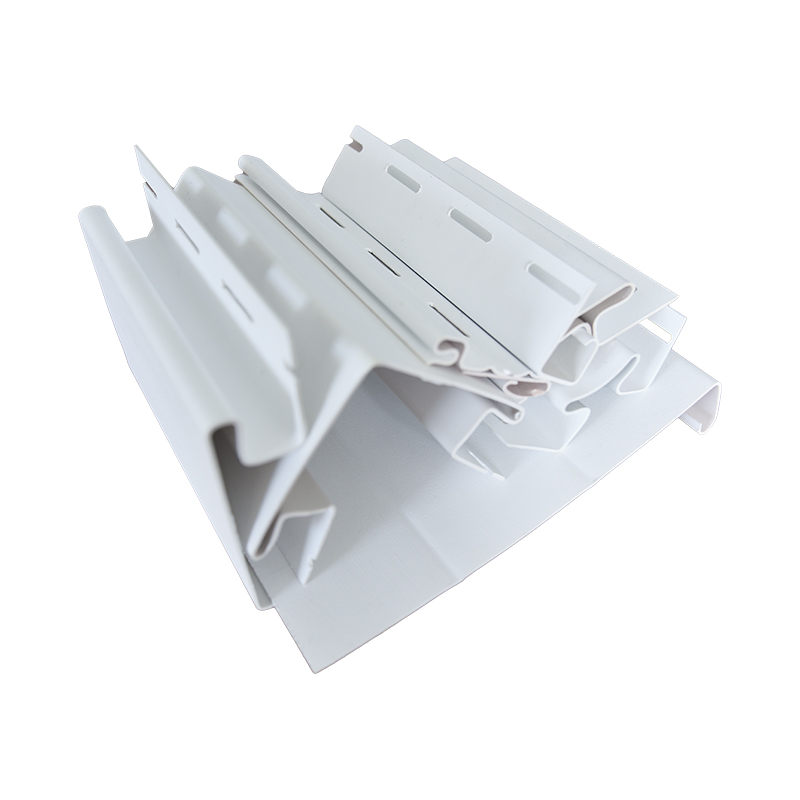
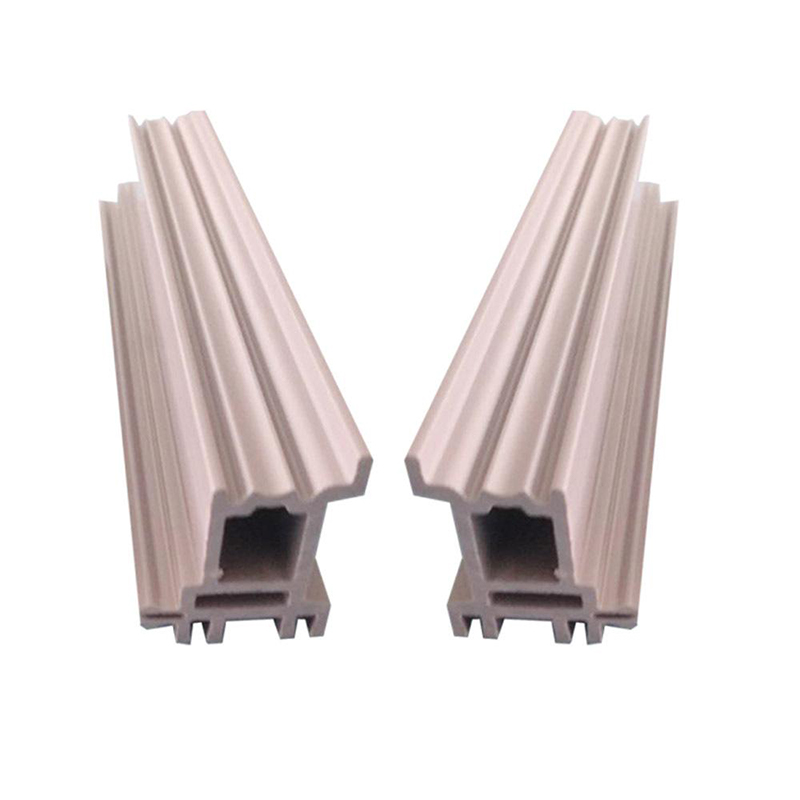
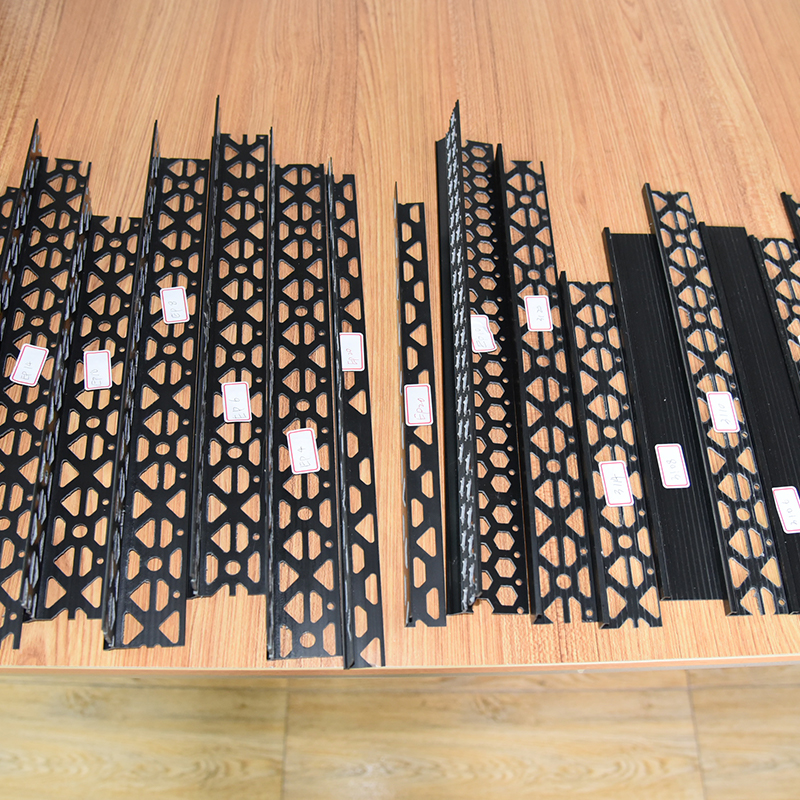
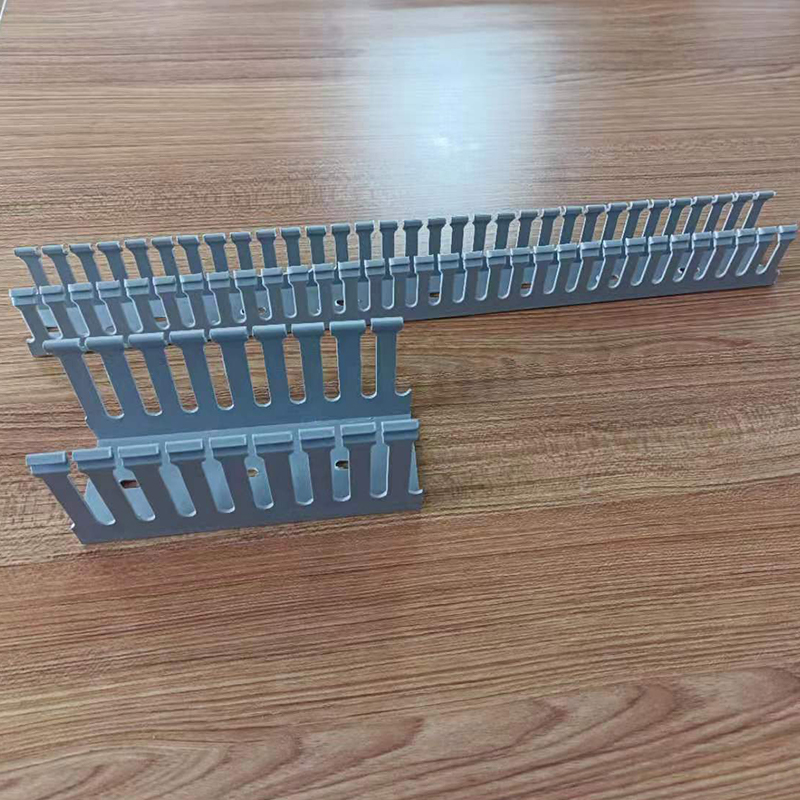
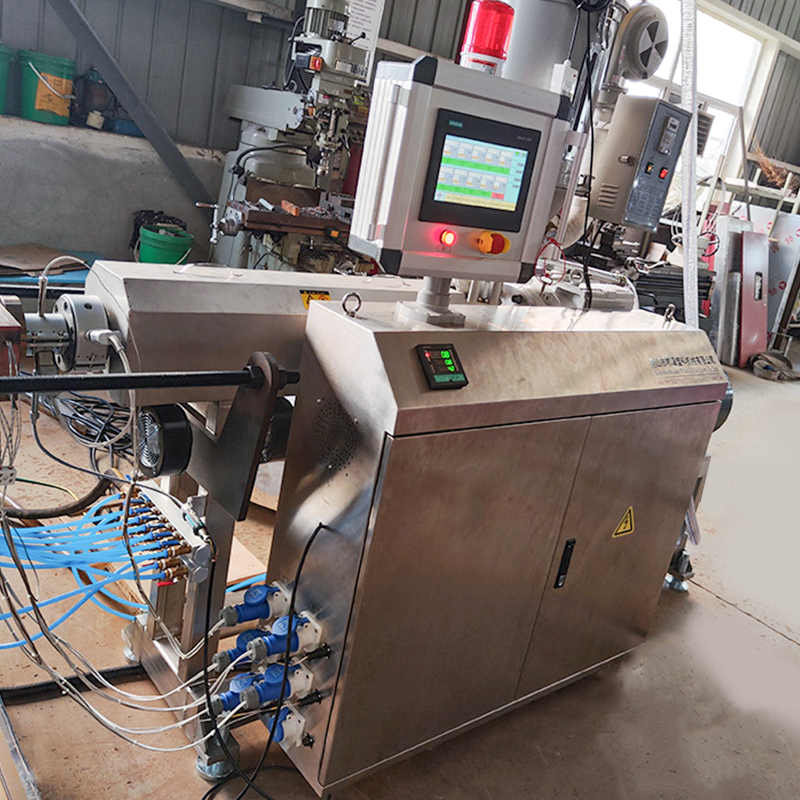
The wood-to-plastic ratio is the core parameter that determines the performance, processing efficiency, and cost of wood-plastic composite (WPC) products manufactured by a wpc extrusion line. This ratio refers to the mass or volume proportion of wood fiber/wood flour and thermoplastic resin in the WPC formulation system, and it directly affects every link from raw material mixing to final product molding.
For industrial WPC production, the ratio is not a fixed value but a flexible range adjusted according to product application scenarios, performance requirements, and processing equipment conditions. Mastering the scientific wood-to-plastic ratio configuration is the prerequisite for ensuring the stable operation of the wpc extrusion line and the qualification rate of finished products.
Wood fiber acts as a reinforcing filler and cost-reducing component in WPC materials, while plastic resin serves as the adhesive matrix that binds wood fibers together and provides basic mechanical properties and durability. The balance between the two components is the key to balancing product performance and production economy.
Wood fiber is derived from renewable wood processing residues, agricultural straw, and other biomass materials, making it an eco-friendly component of WPC products. Its main functions in the wpc extrusion line processing include:
Thermoplastic resin is the continuous phase of WPC materials, which wraps and fixes discrete wood fibers during the heating and extrusion process of the wpc extrusion line. Its core functions are as follows:
Industrial production practice shows that the wood-to-plastic ratio of conventional WPC products processed by wpc extrusion lines is mostly distributed between 30:70 and 70:30. Beyond this range, it will lead to performance degradation or processing difficulties, which is not conducive to large-scale industrial production.
According to the proportion of wood fiber content, the wood-to-plastic ratio applied in the wpc extrusion line can be divided into three categories: low wood fiber ratio, medium wood fiber ratio, and high wood fiber ratio. Each category corresponds to specific product types and performance indicators, and is widely used in different industrial fields.
This ratio is suitable for WPC products with high requirements for toughness, waterproof performance, and processing fluidity. The wpc extrusion line can achieve high-speed and stable extrusion under this formula, and the product surface finish is excellent.
Typical application scenarios include outdoor waterproof flooring, bathroom wall panels, marine building materials, and automotive interior trim parts. The products have strong impact resistance, low water absorption rate (less than 1.5%), and can adapt to long-term humid and high-impact use environments.
The processing advantages of this ratio in the wpc extrusion line are obvious: low melt viscosity, small wear on the screw and barrel, long equipment service life, and high production efficiency. The disadvantage is the relatively high raw material cost due to the high plastic content.
This is the most widely used general-purpose ratio in the global WPC industry, balancing performance, cost, and processing performance perfectly. Most standard WPC profiles, decorative panels, and structural components adopt this ratio configuration.
Products produced by the wpc extrusion line with this ratio have moderate rigidity and toughness, good dimensional stability, and a natural wood appearance. The water absorption rate is controlled between 1.5%-3%, which meets the national standards for outdoor building materials.
Industrial data shows that more than 65% of WPC manufacturers worldwide use the medium wood fiber ratio as the core production formula. It has strong adaptability to different types of wpc extrusion lines and can meet the needs of most civilian and commercial products.
This ratio is used for WPC products with high rigidity, low cost, and structural load-bearing requirements. The wpc extrusion line needs to be equipped with high-torque screws and optimized temperature control systems to ensure smooth processing.
Main applications include outdoor decking keels, landscape structural columns, packaging trays, and industrial support materials. The product rigidity is increased by 20%-30% compared with the medium ratio, and the raw material cost is reduced by 15%-20%, but the toughness and impact resistance are slightly reduced.
When using this ratio in the wpc extrusion line, it is necessary to add appropriate processing modifiers and coupling agents to improve the bonding between wood fibers and plastic, avoid product brittleness, and ensure the qualified rate of finished products.
The wood-to-plastic ratio directly affects the setting of key processing parameters of the wpc extrusion line, including barrel temperature, screw speed, feeding speed, traction speed, and molding pressure. Accurate parameter matching is the key to ensuring production stability and product quality.
Temperature is the most sensitive processing parameter of the wpc extrusion line, and the optimal temperature range varies with the change of wood-to-plastic ratio:
Excessive temperature will cause wood fiber carbonization and yellowing of the product surface, while too low temperature will lead to insufficient plastic melting, poor fiber bonding, and product cracking. The wpc extrusion line needs to achieve precise segmented temperature control according to the ratio.
The screw speed of the wpc extrusion line is positively correlated with the plastic content in the wood-to-plastic ratio. Higher plastic content means better melt fluidity and allows higher screw speed:
Reasonable speed matching can not only improve production efficiency but also reduce equipment energy consumption. Industrial tests show that the optimal speed configuration can reduce the energy consumption per ton of products of the wpc extrusion line by 8%-12%.
With the increase of wood fiber proportion, the melt viscosity of WPC materials increases, and the molding pressure of the wpc extrusion line rises accordingly. High wood fiber ratio products require 15%-25% higher molding pressure than low ratio products.
Traction speed needs to be synchronized with extrusion speed. High plastic content allows faster traction speed, improving hourly output; high wood fiber content requires slow and stable traction to prevent product deformation and fracture.
The wood-to-plastic ratio determines the physical and mechanical properties of WPC products, which is the core basis for B2B buyers to select formulas and configure the wpc extrusion line. The following is a detailed comparison of key performance indicators of products with different ratios:
| Performance Index | Low Wood Fiber Ratio (30-40%) | Medium Wood Fiber Ratio (40-60%) | High Wood Fiber Ratio (60-70%) |
| Tensile Strength (MPa) | 18-25 | 22-30 | 25-35 |
| Flexural Strength (MPa) | 25-35 | 35-45 | 45-55 |
| Impact Strength (kJ/m²) | 8-12 | 6-10 | 4-8 |
| Water Absorption Rate (%) | <1.5 | 1.5-3 | 3-5 |
| Dimensional Stability | Excellent | Good | Moderate |
Rigidity and strength increase with the rise of wood fiber content, which is suitable for load-bearing structural products. Toughness and impact resistance decrease with the increase of wood fiber, making low ratio products more suitable for scenarios with impact resistance requirements.
The medium wood fiber ratio has the best comprehensive mechanical performance, meeting the standard requirements of ASTM D7031 and EN 15534 for WPC products, and is the first choice for general-purpose profiles produced by the wpc extrusion line.
Low wood fiber ratio products have the best waterproof and anti-corrosion performance, with a service life of more than 15 years in outdoor humid environments. High ratio products have slightly reduced durability and require surface treatment to extend their service life.
All ratio products processed by the standardized wpc extrusion line have excellent anti-moth and anti-mildew properties, far exceeding natural wood materials, and are suitable for long-term use in various climatic conditions.
Low and medium ratio products have smooth surface, clear texture, and high qualification rate of appearance processing. High ratio products are prone to rough surface and burrs, requiring higher precision of die and calibration system in the wpc extrusion line.
For B2B buyers and WPC manufacturers, the wood-to-plastic ratio directly affects raw material cost, production energy consumption, equipment loss, and overall profit margin. Scientific ratio selection is the core of cost control.
Wood fiber raw material cost is only 20%-30% of plastic resin, so increasing the proportion of wood fiber can significantly reduce the cost per cubic meter of products. The specific cost differences are as follows:
Market statistics show that for every 10% increase in wood fiber content in the formula, the raw material cost of WPC products is reduced by 5%-8%, which is a key cost control method for large-scale production.
The wpc extrusion line has lower energy consumption when processing low and medium wood fiber ratio materials, with an average power consumption of 180-220 kWh per ton. High wood fiber ratio materials require higher temperature and torque, with energy consumption reaching 240-280 kWh per ton.
Equipment loss is also affected by the ratio: high wood fiber content increases the wear of the screw, barrel, and die, shortening the maintenance cycle by 20% and increasing the equipment maintenance cost.
The medium wood fiber ratio has the best comprehensive economic benefit, which not only reduces raw material costs but also ensures low energy consumption and low equipment loss. It is the optimal choice for most wpc extrusion line production lines.
Manufacturers can flexibly adjust the ratio according to product positioning: high-end products adopt low ratio to improve added value, and mass general products adopt medium-high ratio to maximize profit space.
Different types of WPC products have unique performance and application requirements, and the wpc extrusion line needs to configure the targeted optimal wood-to-plastic ratio to meet market demand.
The optimal wood-to-plastic ratio: 50:50 (medium wood fiber ratio). This ratio ensures good slip resistance, dimensional stability, and durability, and the product surface is suitable for embossing and coloring treatment.
Production requirements of the wpc extrusion line: equipped with a special die for flooring, stable calibration system, and traction system to ensure the flatness and consistency of the product.
The optimal wood-to-plastic ratio: 45:55 to 55:45. The product has good surface finish, nail-holding power, and processability, suitable for cutting, drilling, and painting.
The wpc extrusion line for door panel production needs precision molding components to ensure the thickness uniformity and flatness of the board, meeting the installation requirements of architectural decoration.
The optimal wood-to-plastic ratio: 60:40 (high wood fiber ratio). High rigidity and strength meet the load-bearing requirements of landscape architecture and industrial support.
The wpc extrusion line needs to be equipped with a high-torque extrusion system and reinforced molding die to ensure the structural density and mechanical properties of the product.
The optimal wood-to-plastic ratio: 35:65 (low wood fiber ratio). Ultra-low water absorption rate adapts to bathrooms, kitchens, coastal buildings and other humid environments.
To compensate for the performance defects caused by different wood-to-plastic ratios, the wpc extrusion line production formula needs to add targeted additives, which are essential to improve product quality and processing stability.
Coupling agents improve the bonding force between wood fiber and plastic, especially for high wood fiber ratio formulas. The addition amount is usually 2%-5% of the total formula, which can effectively improve product toughness and strength.
Without coupling agents, the wood-plastic interface is easy to separate, resulting in reduced mechanical properties and increased water absorption rate of products, which cannot meet industrial use standards.
Processing modifiers reduce melt viscosity, improve the extrusion smoothness of the wpc extrusion line, and reduce equipment wear. They are especially important for high wood fiber ratio formulas, with an addition amount of 1%-3%.
Modifiers can increase the production speed by 10%-15% and reduce the temperature requirement of the extrusion system, achieving energy-saving and efficient production.
Stabilizers prevent wood fiber carbonization and plastic degradation during high-temperature extrusion, extending the service life of products. Lubricants reduce friction between materials and equipment, ensuring smooth extrusion.
The addition amount of additives needs to be adjusted with the change of wood-to-plastic ratio. High wood fiber ratio requires more additives to ensure the normal operation of the wpc extrusion line.
Strict quality control of the wood-to-plastic ratio is the core link of WPC product quality management. The wpc extrusion line production process needs to establish a complete ratio control system to ensure product consistency.
Automatic weighing and batching system is the basic equipment to ensure the accuracy of wood-to-plastic ratio, with a weighing accuracy of up to ±0.1%, completely eliminating manual operation errors.
Manufacturers must calibrate the weighing system regularly to ensure that the actual ratio is consistent with the formula ratio, which is the primary prerequisite for qualified products.
After batching, the raw materials need to be fully mixed in a high-speed mixer. The mixing uniformity directly affects the performance uniformity of products extruded by the wpc extrusion line.
Industrial testing standards require that the material mixing uniformity reaches more than 97% to ensure that the wood fiber and plastic are evenly distributed, avoiding local performance differences of products.
Regular testing of the wood-plastic ratio of finished products is carried out by professional testing equipment to track the stability of the production process. Abnormal ratio fluctuations indicate equipment or formula problems, which need to be adjusted in time.
Improper wood-to-plastic ratio configuration will lead to a series of production and product problems in the wpc extrusion line. Mastering solutions can reduce production losses and improve product qualification rate.
Main cause: wood fiber content is too high, melt fluidity is poor, and extrusion torque exceeds the equipment limit.
Solutions: reduce the wood fiber proportion appropriately, increase the processing modifier addition amount, raise the extrusion temperature appropriately, and reduce the screw speed.
Main cause: wood fiber content is too high, plastic content is insufficient, and the interface bonding is poor.
Solutions: increase the plastic proportion, add coupling agents and toughening agents, optimize the mixing and extrusion process parameters.
Main cause: wood fiber content is too low, product rigidity is insufficient, or the ratio is unevenly distributed.
Solutions: adjust the wood-to-plastic ratio to increase rigidity, improve the mixing uniformity, and optimize the calibration and cooling system of the wpc extrusion line.
Main cause: wood fiber content is too high, or the interface bonding is not tight, resulting in moisture penetration.
Solutions: reduce the wood fiber proportion, add coupling agents and waterproof modifiers, and improve the extrusion compactness.
The ideal ratio is 50:50 (medium wood fiber ratio), which balances performance, cost, and processing performance, suitable for most products.
It can be adjusted within the range of 30:70 to 70:30, beyond which it will cause processing difficulties and performance degradation.
Low ratio products have the longest service life (over 15 years), medium ratio 10-15 years, high ratio 8-12 years.
Yes, but it will increase energy consumption and equipment loss, and the comprehensive cost needs to be evaluated comprehensively.
Coupling agents and processing modifiers are essential to improve bonding and fluidity.
Yes, it only needs to adjust temperature, speed and other parameters, no need to replace core equipment.
The standard water absorption rate is 1.5%-3%, meeting international outdoor building material standards.
Use an automatic weighing batching system and calibrate regularly to control the accuracy within ±0.1%.
Low and medium ratio products have better surface treatment effect, high ratio products need surface polishing treatment.
The optimal ratio is 45:55 to 55:45, ensuring flatness, strength and processability.
Copyright © Kunshan Bonzer Plastics Machinery Co., Ltd. All Rights Reserved. Custom Plastic Machinery Suppliers




 English
 中文简体
中文简体