
 English
 中文简体
中文简体
Home / News / Industry News / What is a profile extrusion line and how does it differ from standard pipe extrusion?
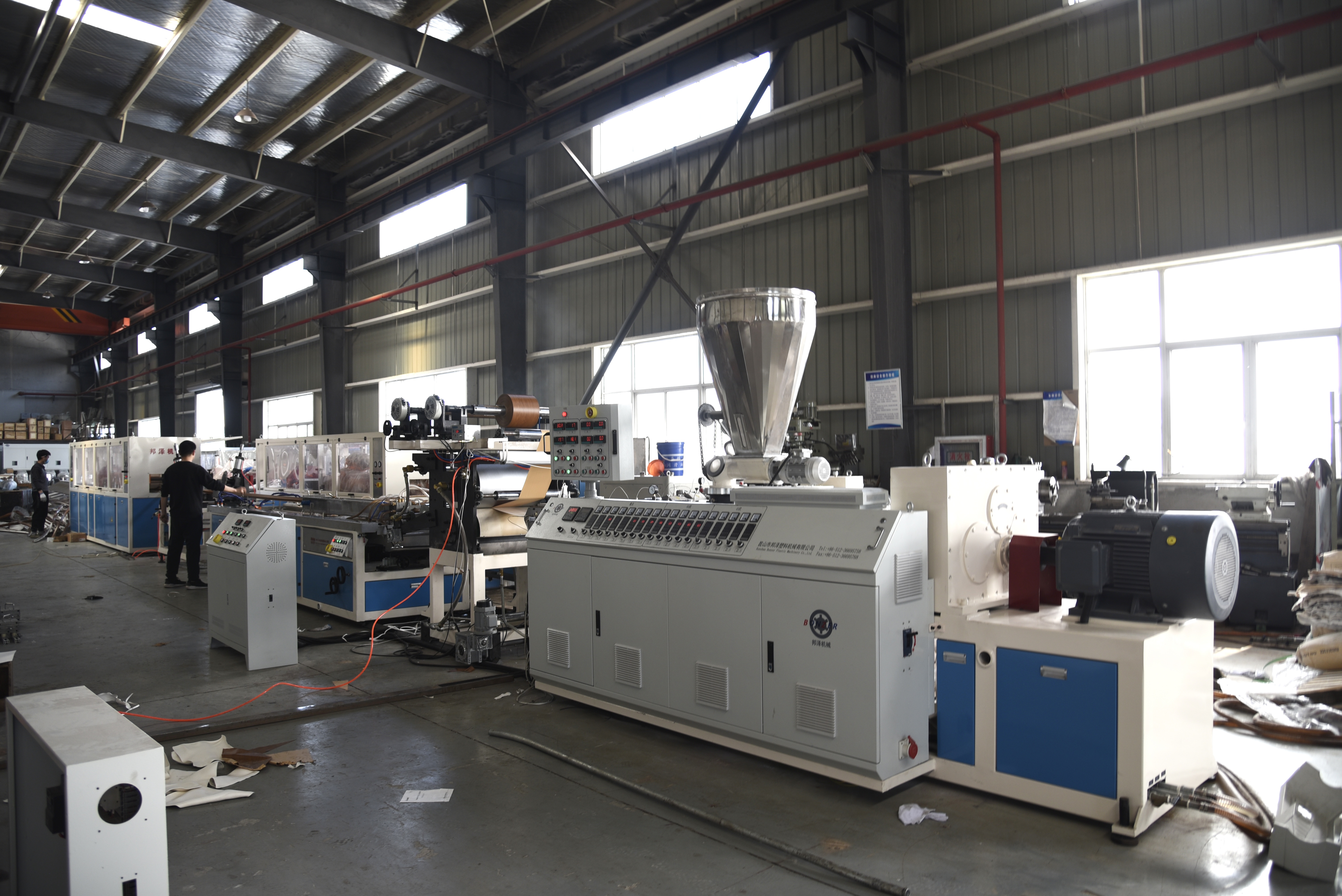
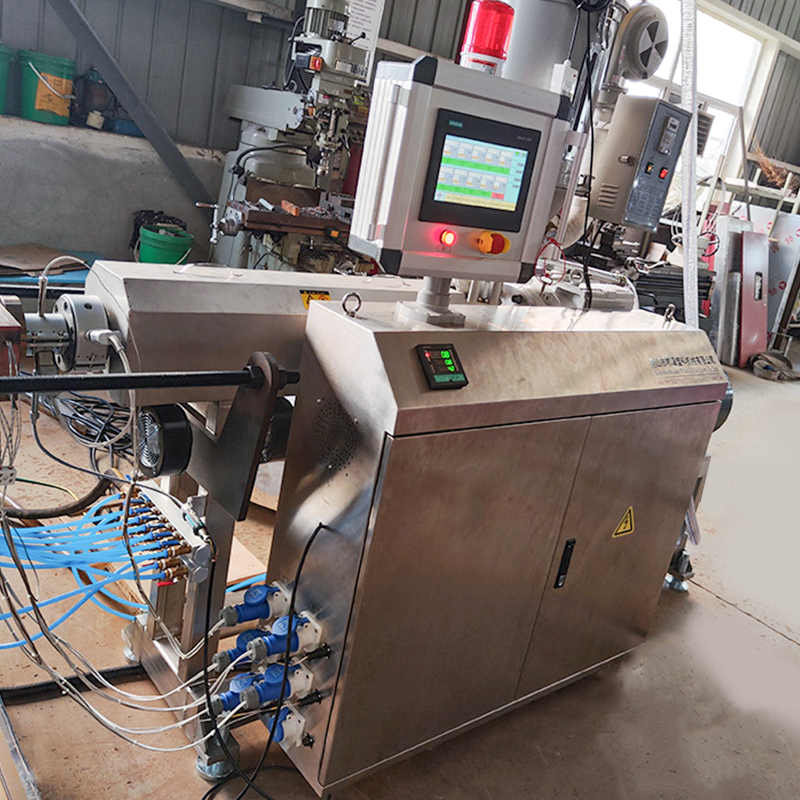
A profile extrusion line is a fully integrated industrial manufacturing system designed exclusively for the continuous production of custom-shaped plastic profiles. Unlike standardized extrusion equipment, this line is engineered to create complex, non-uniform cross-sectional plastic products that meet precise dimensional, structural, and aesthetic requirements for industrial, construction, automotive, and consumer applications.
The profile extrusion line operates as a synchronized production system that combines material feeding, melting, forming, cooling, haul-off, and cutting processes into one automated workflow. Every component of the line is calibrated to maintain consistency in custom profile production, ensuring that each finished product matches exact design specifications regardless of shape complexity. This level of customization distinguishes profile extrusion lines from general-purpose extrusion machinery used for uniform products.
Profile extrusion lines support a wide range of thermoplastic materials, including PS, PP, PE, PVC, ABS, and other custom-formulated plastics. Material compatibility is a core design feature, allowing manufacturers to produce rigid, flexible, semi-rigid, and multi-layer profiles for diverse industry needs. The system’s adaptability to different materials and custom die designs makes it an essential solution for non-standard plastic component manufacturing.
Unlike single-function extrusion setups, a complete profile extrusion line includes specialized components such as custom profile dies, multi-channel cooling tanks, precision haul-off units, servo-driven cutters, and online measurement systems. These integrated parts work together to handle the unique challenges of complex profile forming, such as uniform cooling, consistent wall thickness, and distortion-free shaping for irregular cross-sections.
Industrial-grade profile extrusion lines deliver high repeatability and stability, with production speeds ranging from 1 to 20 meters per minute depending on profile complexity, material type, and dimensional requirements. The automated control system integrated into the line monitors temperature, pressure, speed, and dimensions in real time, minimizing defects and ensuring continuous, reliable production runs for long-term manufacturing operations.
The extruder main unit is the power core of the profile extrusion line, responsible for melting and conveying plastic materials uniformly. It features a specially designed screw and barrel system optimized for steady material flow, which is critical for maintaining consistent pressure during custom profile forming. The heating and cooling zones of the extruder are precisely controlled to ensure complete material plasticization without degradation.
Profile extrusion line extruders typically range from 45mm to 120mm in screw diameter, with L/D ratios between 25:1 and 30:1 to support thorough melting and mixing. This configuration ensures that materials reach ideal viscosity before entering the die, which directly impacts the surface finish and dimensional accuracy of the final custom profile.
The custom profile die is the defining component that separates a profile extrusion line from standard extrusion systems. Each die is machined to match the exact cross-sectional shape of the target profile, making it a fully customized part for every product type. Die design accounts for material shrinkage, flow distribution, and cooling behavior to prevent warping or dimensional deviation.
Complex profile dies may include multi-channel flow distributors, adjustable lips, and multi-layer co-extrusion ports to create composite profiles with different materials or colors in a single pass. This level of customization is unavailable in standard pipe extrusion dies, which use fixed, symmetrical designs for round tubular products.
The cooling and calibration system of a profile extrusion line is engineered to stabilize custom-shaped profiles without distortion. Unlike pipe extrusion that uses vacuum sizing sleeves for round shapes, profile cooling systems use custom calibration fixtures that match the profile’s external and internal geometry.
This specialized cooling setup ensures that complex profiles maintain their shape, dimensions, and structural integrity throughout the production process, a requirement that standard pipe extrusion equipment cannot fulfill.
The haul-off unit provides consistent, slip-free pulling force customized for profile weight, shape, and surface characteristics. Unlike pipe extrusion haulers that use caterpillar belts for round products, profile extrusion lines use custom-contact haul-off systems to avoid damaging delicate or irregular profile surfaces.
Cutting units are equipped with servo motors to achieve precise length cutting, with tolerance levels as low as ±0.5mm. Online cutting systems can be programmed for fixed lengths, miter cuts, or custom shapes based on production requirements, adding versatility that exceeds standard pipe extrusion cutting functions.
The central control system integrates all profile extrusion line components, offering real-time monitoring and adjustment of parameters such as temperature, screw speed, haul-off speed, vacuum pressure, and cooling flow. Touch-screen interfaces allow operators to store and recall production recipes for different profiles, reducing setup time and improving production efficiency.
Standard pipe extrusion is a specialized plastic manufacturing process focused exclusively on producing continuous, uniform, round tubular plastic products. This process uses standardized extrusion equipment designed for symmetrical, single-shape output with consistent wall thickness and outer diameter across the entire production length.
Standard pipe extrusion is optimized for high-volume production of conventional pipes used in water supply, drainage, gas transmission, electrical conduit, and industrial fluid handling. The entire system is built for repetitive production of round shapes, with fixed die and calibration components that do not support custom or irregular cross-sections.
Materials used in standard pipe extrusion include PE, PP, PVC, and other thermoplastics selected for pressure resistance, corrosion resistance, and durability. Production parameters are standardized for each pipe type, with minimal adjustments needed between production runs of the same pipe specification.
Standard pipe extrusion lines operate at higher fixed speeds compared to profile extrusion lines, typically ranging from 5 to 30 meters per minute due to the simple symmetrical shape and efficient cooling process. The automated workflow emphasizes speed and consistency for mass production rather than customization.
Quality control in standard pipe extrusion focuses on outer diameter, wall thickness, roundness, and pressure resistance. Testing procedures are standardized, and finished products comply with universal industry specifications for pipe dimensions and performance.
The most fundamental difference lies in product geometry. A profile extrusion line manufactures custom, irregular, non-round cross-sectional products with complex shapes, including hollow, solid, multi-chamber, and multi-layer designs. Standard pipe extrusion only produces symmetrical round tubes with fixed inner and outer diameters.
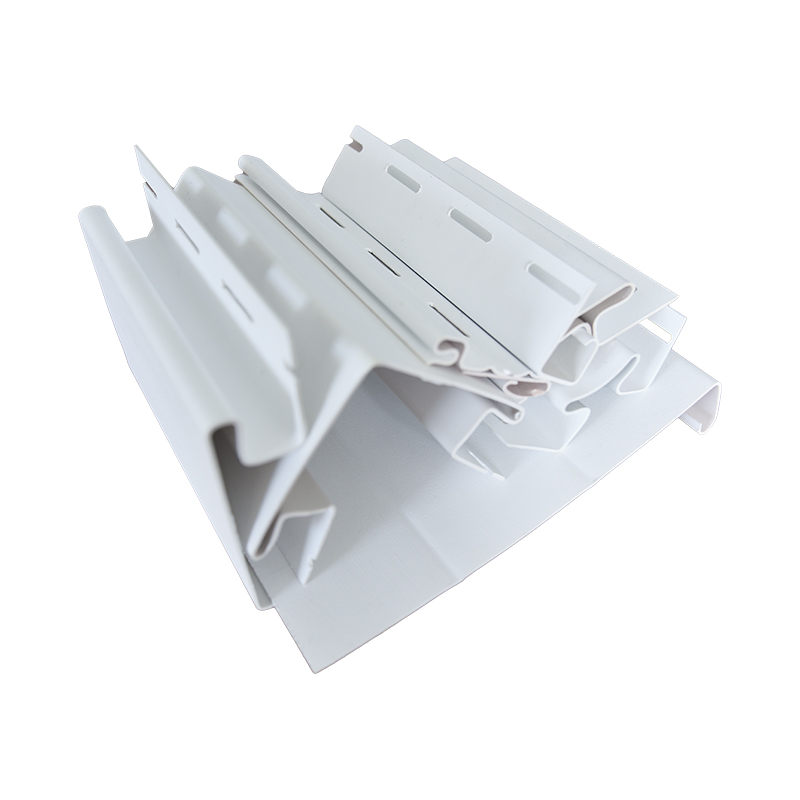
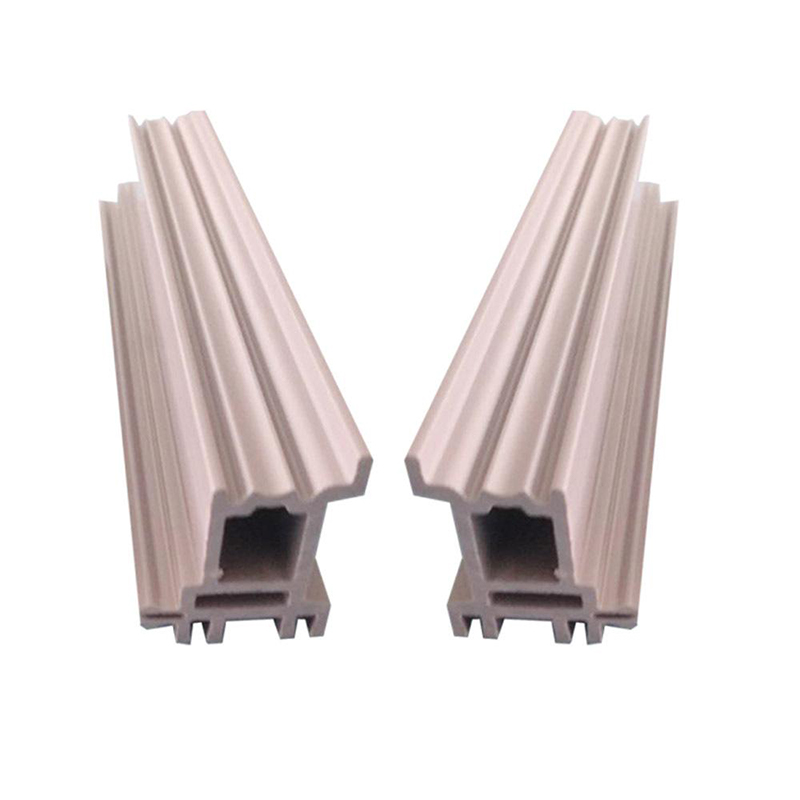
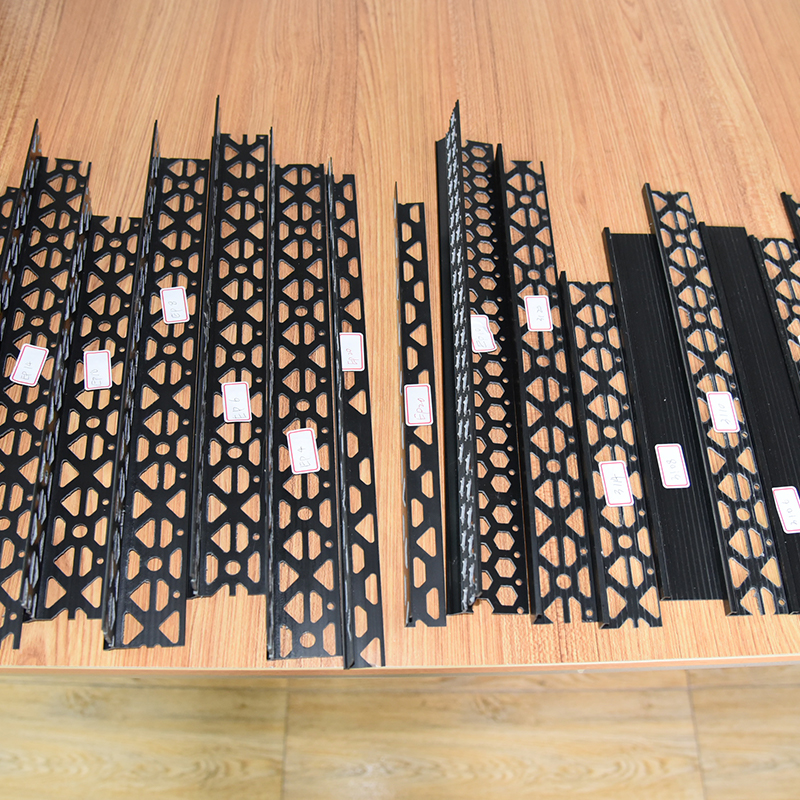
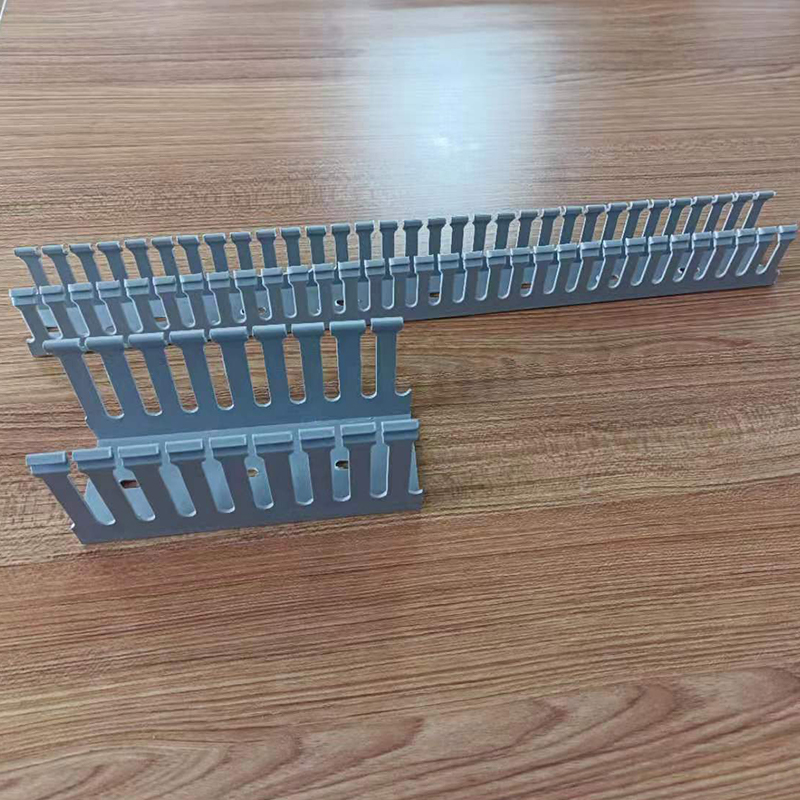
Profile extrusion supports unlimited custom shapes such as window frames, decorative trims, structural strips, sealing gaskets, automotive components, and electrical housing parts. Standard pipe extrusion is limited to cylindrical pipes with no variation in cross-section along the length.
Profile extrusion line dies are fully customized for each unique profile shape, requiring precision machining and flow simulation to ensure uniform material distribution. Standard pipe extrusion uses universal, symmetrical dies with fixed round openings that require minimal modification.
Tooling replacement time for profile extrusion ranges from 4 to 12 hours due to custom die and calibration setup. Standard pipe extrusion tooling changes take 1 to 2 hours using standardized sizing and forming components.
Profile extrusion lines offer exceptional flexibility to switch between different custom profiles by changing dies, calibration tools, and production parameters. Standard pipe extrusion lines are designed for single-purpose, high-volume production with limited flexibility to adapt to new shapes.
Profile extrusion uses custom-shaped calibration fixtures and multi-stage cooling to stabilize irregular profiles and prevent distortion. Standard pipe extrusion uses universal vacuum sizing sleeves designed exclusively for round shapes, enabling faster and more uniform cooling.
Cooling efficiency for profile extrusion is lower due to complex geometry, while pipe extrusion achieves higher cooling efficiency from symmetrical heat distribution. This directly affects production speed and output capacity between the two systems.
Profile extrusion line applications cover construction, automotive, electronics, furniture, packaging, and consumer goods requiring custom-shaped components. Standard pipe extrusion is limited to fluid transportation, electrical conduit, and infrastructure piping systems.
Profile extrusion serves industries that demand tailor-made plastic profiles, while pipe extrusion supports civil engineering, municipal projects, and utility infrastructure with standardized piping solutions.
| Comparison Item | Profile Extrusion Line | Standard Pipe Extrusion |
| Product Shape | Custom irregular cross-sections | Fixed round tubular shape |
| Tooling Type | Custom dies and calibration fixtures | Standardized round dies and sleeves |
| Production Speed | 1–20 m/min (variable by shape) | 5–30 m/min (fixed high speed) |
| Production Flexibility | Highly flexible for custom profiles | Low flexibility for standard pipes |
| Typical Output Volume | Low to medium volume | High volume mass production |
| Setup Time | Long (custom tooling) | Short (standard tooling) |
| Main Applications | Custom industrial & structural profiles | Pipes for fluid & electrical systems |
The profile extrusion line supports a broad spectrum of thermoplastic materials to meet diverse profile performance requirements. Material selection is based on profile function, environment, strength, flexibility, and appearance needs.
Processing parameters are fully adjustable to match material characteristics, making the profile extrusion line suitable for both standard and engineered plastic formulations.
Standard pipe extrusion uses a limited range of materials optimized for pressure resistance, durability, and low cost. The material list is restricted to rigid thermoplastics suitable for continuous pipe production.
Common materials include PVC-U, PE100, PP-H, and other pressure-grade plastics. Processing parameters are standardized for each material type, with minimal adjustment required during production.
Profile extrusion requires precise real-time control to maintain dimensional stability for complex shapes, with tolerance levels as tight as ±0.1mm for high-precision profiles. Standard pipe extrusion has wider tolerance ranges and focuses on consistent wall thickness and outer diameter control.
Both systems use automated temperature and speed control, but profile extrusion lines include additional sensors for shape monitoring and dimension feedback to ensure custom profile quality.
Profile extrusion lines produce essential building components such as window and door frames, wall panels, decorative trims, floor tracks, ceiling strips, and sealing profiles. These custom profiles enhance structural performance, aesthetics, and energy efficiency in residential and commercial buildings.
Outdoor construction profiles use UV-resistant and weatherproof materials, with custom shapes designed for easy installation and long-term durability. Production volume for construction profiles accounts for over 40% of total profile extrusion output globally.
Automotive profile applications include interior trim, sealing strips, window channels, bumper components, wiring conduits, and decorative strips. These profiles require lightweight, high-strength materials and precise dimensional matching for vehicle assembly.
Profile extrusion lines support multi-layer and multi-color co-extrusion to meet automotive aesthetic and functional standards, with strict quality control for consistency and reliability.
Electrical profiles include cable ducts, wiring channels, switch housing frames, insulation strips, and connector components. These profiles use flame-retardant materials and custom shapes to ensure safety and installation efficiency in electrical systems.
Profile extrusion lines manufacture furniture edging, decorative trim, handle strips, shelf supports, and household appliance components. Custom surface finishes such as matte, glossy, or textured options are produced to match product design requirements.
Standard pipe extrusion focuses on infrastructure and utility applications that require uniform, high-strength cylindrical pipes. Core applications include municipal water supply, drainage systems, gas transmission pipes, electrical conduits, irrigation pipes, and industrial fluid pipelines.
Pipes produced by standard extrusion comply with national and international standards for pressure rating, dimensional tolerance, and material safety. Production lines operate continuously for mass output, with daily capacities reaching 50 tons or more for large-diameter pipe production.
Infrastructure projects rely on standard pipe extrusion for consistent quality and cost-effective mass production. Pipe sizes range from small-diameter conduits (16mm) to large-diameter water pipes (over 1200mm), with fixed specifications for each application field.
Standard pipe extrusion plays a critical role in construction, municipal engineering, agriculture, and industrial manufacturing, providing essential piping solutions that support basic infrastructure and utility operations.
The profile extrusion line delivers unmatched customization capabilities, allowing manufacturers to produce virtually any plastic profile shape required by modern industries. This flexibility supports product innovation and tailored solutions for unique application requirements.
High dimensional precision ensures consistent profile quality with tight tolerances, reducing waste and improving assembly compatibility. Custom tooling design optimizes material flow and cooling, resulting in smooth surfaces, uniform wall thickness, and distortion-free profiles.
Multi-material and multi-layer co-extrusion capabilities enable composite profiles with combined properties such as rigidity, flexibility, UV resistance, and color matching. This expands functional possibilities beyond single-material products.
Automated control systems reduce labor requirements and improve production stability, with recipe storage for fast profile changeovers. The line’s modular design allows component upgrades to adapt to new materials and profile designs.
Wide material compatibility makes the profile extrusion line suitable for diverse market demands, from construction and automotive to electronics and consumer goods. This versatility increases production value and market adaptability for manufacturers.
Standard pipe extrusion offers exceptional production efficiency with high-speed continuous output optimized for mass manufacturing. Fixed tooling and streamlined processes reduce production time and operational costs compared to custom extrusion systems.
Low equipment and tooling investment costs make standard pipe extrusion accessible for high-volume pipe producers. Standardized components reduce maintenance complexity and spare part costs.
Stable and consistent production quality ensures compliance with universal pipe standards, with minimal defects and high first-pass yield rates. Simple operation and short setup times improve overall equipment effectiveness.
Long-distance continuous production capability supports large-scale infrastructure projects with consistent pipe quality. The robust system design ensures reliable operation for extended production runs with minimal downtime.
A profile extrusion line is an integrated system for manufacturing custom-shaped plastic profiles with non-round cross-sections.
Profile extrusion makes custom shapes; pipe extrusion only produces round, standardized pipes.
PS, PP, PE, PVC, ABS, TPE, and other thermoplastics for rigid, flexible, or composite profiles.
Construction, automotive, electronics, furniture, packaging, and consumer goods industries.
Yes, with round dies, but it is not optimized for high-volume pipe production like standard pipe extrusion.
1 to 20 meters per minute, depending on profile complexity and material type.
Yes, dies and calibration fixtures are custom-made for each profile shape.
Extruder, custom die, cooling calibration system, haul-off, cutter, and control system.
Yes, co-extrusion models produce multi-layer, multi-material, or multi-color profiles.
Yes, its flexibility supports prototype, small-batch, and medium-volume custom manufacturing.
Copyright © Kunshan Bonzer Plastics Machinery Co., Ltd. All Rights Reserved. Custom Plastic Machinery Suppliers