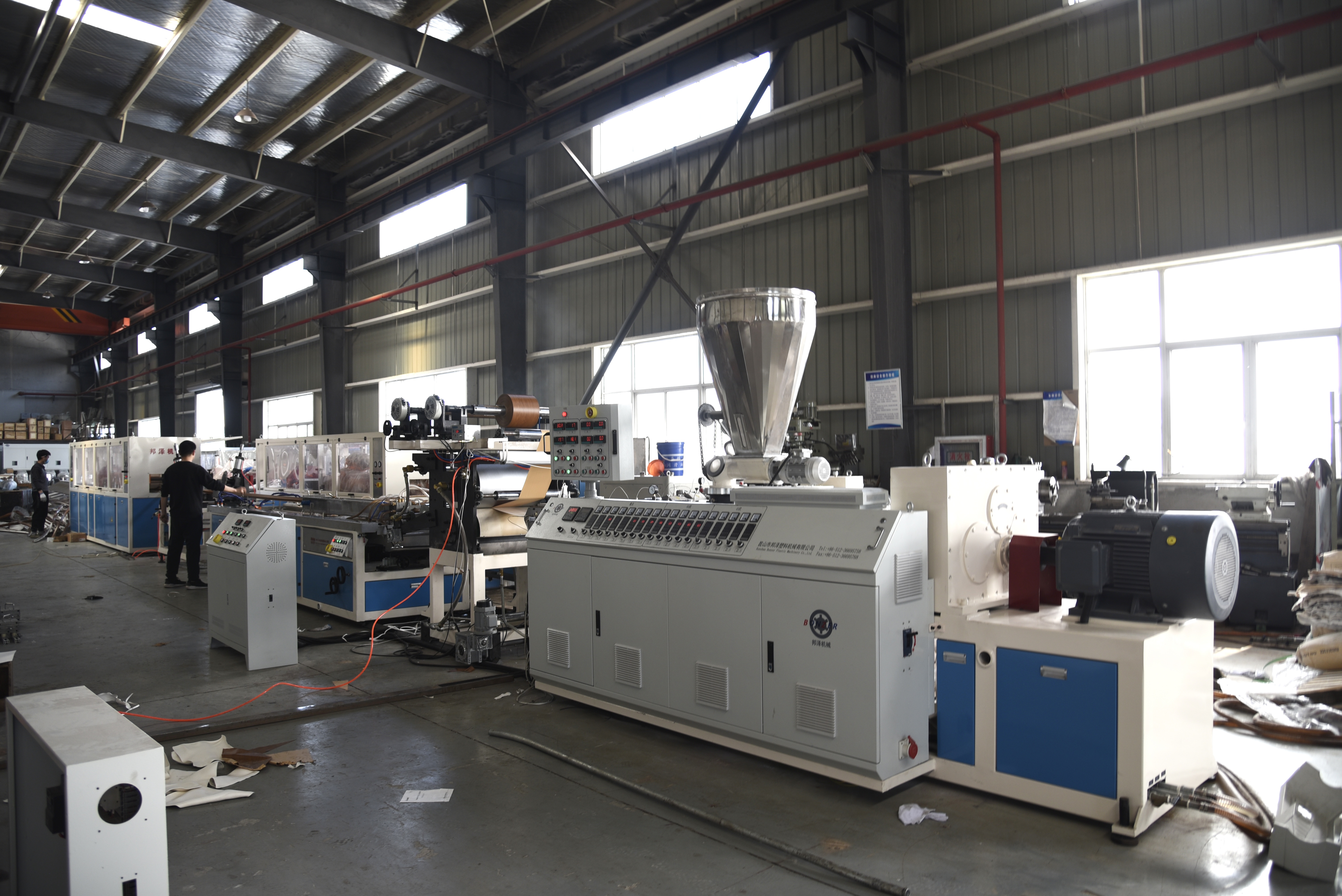
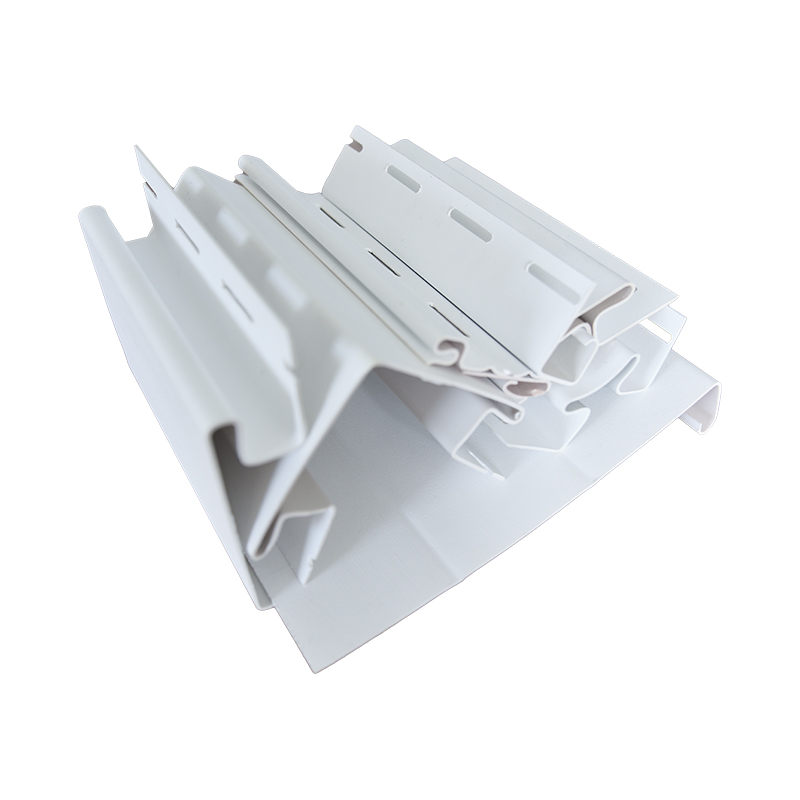
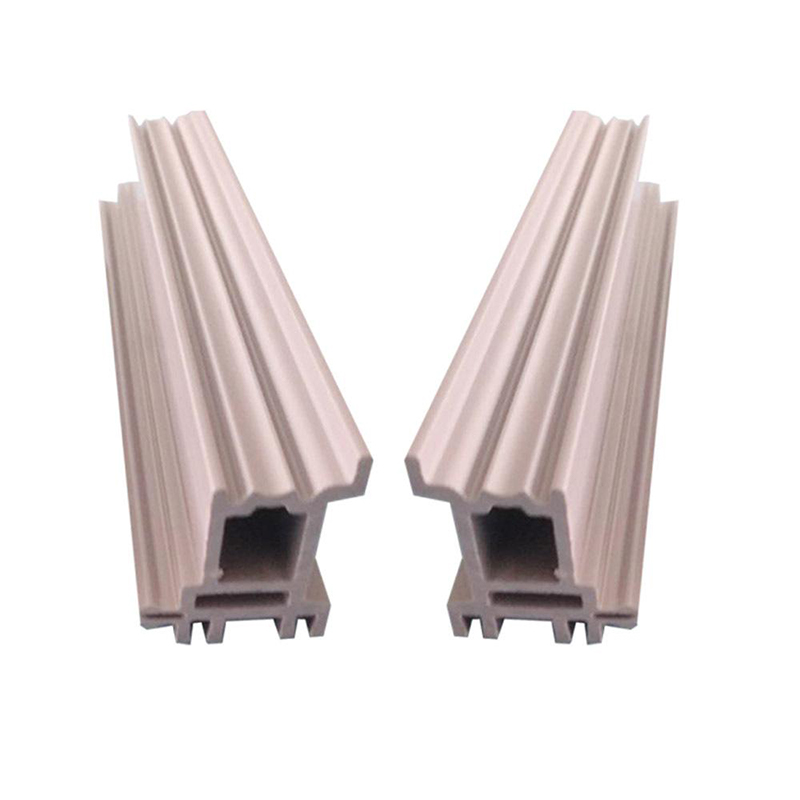
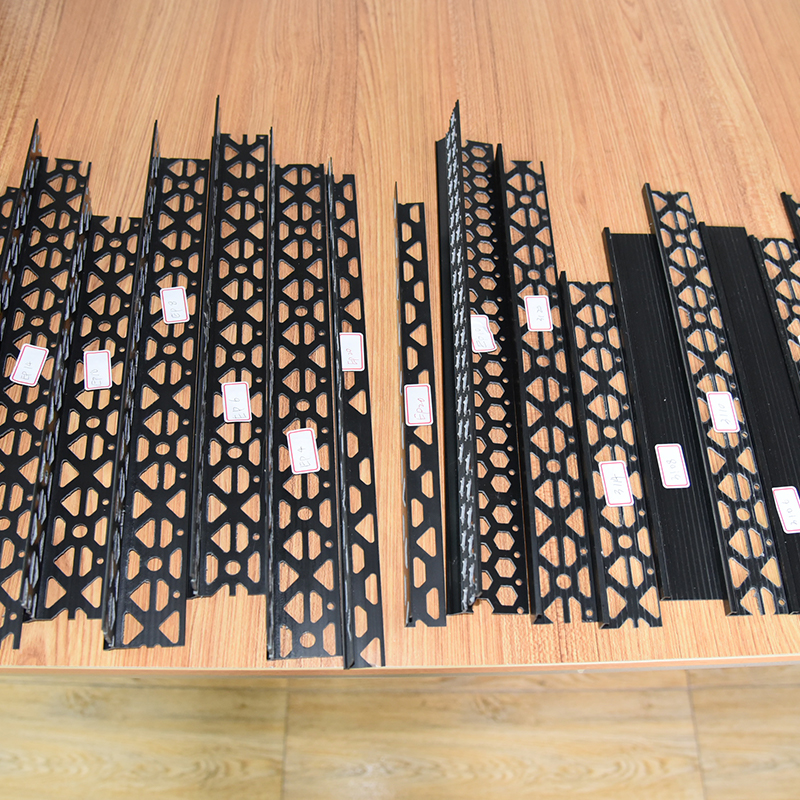
The production of PVC profiles, a cornerstone of modern construction and manufacturing, is a sophisticated process that hinges on the precise formulation of raw materials. A pvc profile extrusion line does not simply process pure polyvinyl chloride (PVC) resin; instead, it transforms a complex, custom-engineered blend of compounds into the durable, consistent, and functional profiles we see in windows, doors, and countless other applications. Understanding the composition of these raw materials is not just a matter of chemical interest but a critical business and technical consideration for anyone involved in sourcing, manufacturing, or quality assurance.
At the heart of every PVC profile is the PVC resin itself. This polymer forms the continuous matrix that binds all other ingredients together, ultimately defining the profile’s fundamental mechanical properties. However, not all PVC resins are identical, and selecting the appropriate type is the first critical decision in the formulation process.
PVC resin is produced through a polymerization process, and one of its key distinguishing characteristics is its K-value, also known as its viscosity number. The K-value is a measure of the molecular weight of the polymer chains. A higher K-value indicates longer polymer chains and a higher molecular weight, which generally translates to better tensile strength, impact resistance, and heat stability. Conversely, a lower K-value signifies shorter chains, resulting in a material that is easier to process and has lower melt viscosity. For profile extrusion, a balance must be struck. Most uPVC profile extrusion (uPVC meaning unplasticized) utilizes suspension polymerized PVC resin with a K-value typically ranging from 65 to 68. This range offers an optimal compromise, providing sufficient mechanical strength for structural applications like window frames while remaining fluid enough to be processed efficiently through a pvc profile extrusion line without requiring excessive energy or generating undue shear heat.
The physical form of the resin is also crucial. The resin is supplied as a white powder, and its particle size and porosity are engineered for optimal performance. A porous particle structure is highly desirable because it acts like a microscopic sponge, allowing it to rapidly absorb liquid additives such as stabilizers and plasticizers during the dry blending stage. This ensures a homogeneous mixture, which is a prerequisite for producing a consistent and high-quality profile. Any inconsistency in the resin’s absorption capacity can lead to uneven distribution of additives, manifesting as surface defects, variations in color, or weak spots in the final extruded product.
Pure PVC resin has a significant vulnerability: it is thermally unstable. When subjected to the high temperatures necessary for melting and extrusion within a pvc profile extrusion line, unprotected PVC will begin to degrade. This degradation process involves the dehydrochlorination of the polymer chain, leading to the release of hydrogen chloride gas and the formation of polyene sequences. Visually, this is evidenced by a color change, starting with yellowing and progressing to brown and eventually black, accompanied by a severe loss of mechanical properties. Therefore, the incorporation of heat stabilizers is non-negotiable.
Heat stabilizers function through several mechanisms. They absorb the liberated hydrogen chloride, which itself catalyzes further degradation. They also substitute labile chlorine atoms in the PVC structure that are initiation points for decomposition, and they interrupt the formation of the colored polyene structures. The choice of stabilizer system is a key factor in the formulation.
For many years, lead-based stabilizers were the industry standard due to their excellent cost-performance ratio and long-term stability. However, due to growing environmental and health concerns, the industry has undergone a significant shift. Calcium-based stabilizers have emerged as the dominant lead-free alternative for rigid PVC profiles. These are typically calcium zinc stabilizers, which offer good thermal stability and are environmentally benign. The performance of calcium zinc systems has been continuously improved to meet the demanding requirements of outdoor applications. Another alternative includes organic-based stabilizers. The selection of a specific stabilizer package depends on the required processing window, the color of the final product (especially for white profiles where discoloration is highly visible), and regulatory compliance for the target market. The effectiveness of the stabilizer system directly influences the processing parameters and the long-term durability of the profile produced by the pvc profile extrusion line.
While uPVC profiles are valued for their rigidity, the unmodified polymer can be relatively brittle, particularly at lower temperatures and in the presence of a notch or sharp corner. This lack of toughness can lead to failure during installation or from impact in service. To overcome this, impact modifiers are added to the compound.
Impact modifiers are typically elastomeric materials that are dispersed as a separate phase within the rigid PVC matrix. Their primary function is to absorb and dissipate energy from an impact. When the profile is struck, the propagating microcracks encounter these rubbery particles. The particles act as stress concentrators, initiating a massive amount of micro-yielding and crazing within the surrounding PVC matrix, which consumes a large amount of energy and prevents the crack from propagating catastrophically. In essence, they “sacrifice” themselves to save the integrity of the whole structure.
The most common types of impact modifiers used in PVC profiles are Chlorinated Polyethylene (CPE) and Acrylic-based Modifiers (AIM). CPE has been widely used for decades and provides an excellent balance of impact strength, weather resistance, and cost. Acrylic modifiers are known for their superior weatherability and consistency, often being the choice for high-end applications where long-term color and impact retention are critical. The dosage of impact modifier typically ranges from 5 to 10 parts per hundred parts of resin (phr), and its selection is a key factor in achieving the required impact strength for uPVC profiles, a critical performance metric for window and door manufacturers.
The extrusion process involves the compound being conveyed, compressed, melted, and forced through a die. This generates immense frictional forces, both between the material and the metal surfaces of the pvc profile extrusion line (barrel, screw, die) and internally between the PVC particles themselves. If uncontrolled, this friction leads to excessive shear heat, which can cause thermal degradation, high motor load, and poor surface quality. Lubricants are therefore essential additives to manage these frictional forces.
Lubricants are classified based on their primary function. External lubricants are designed to reduce friction at the interface between the molten PVC and the metal surfaces of the extruder and die. They promote smooth flow and prevent the material from sticking to the hot metal, which is crucial for achieving a glossy, defect-free surface. Common external lubricants include paraffin wax and oxidized polyethylene wax.
Internal lubricants, on the other hand, function within the PVC compound itself. They reduce the friction between PVC primary particles and molecular chains, facilitating easier melt flow and reducing the mechanical energy input (and thus the heat generated) from the motor. This results in a lower melt viscosity, which is beneficial for the extrusion process. Metallic stearates, such as calcium stearate, often serve a dual role, acting as both an internal lubricant and a co-stabilizer in calcium zinc systems.
Formulating the correct lubricant balance is one of the most delicate aspects of PVC compounding. An excess of external lubricant can cause over-lubrication, leading to poor metal release, surging, and impaired weld lines in the final profile. An excess of internal lubricant can make the compound too slippery, preventing proper compression and melting in the extruder screw. The right combination ensures stable processing, high output rates, and excellent surface quality from the pvc profile extrusion line.
The aesthetic and functional requirements of PVC profiles are largely met through the use of pigments and fillers. The most common color for profiles, particularly in the window and door industry, is white. This is achieved primarily using titanium dioxide (TiO2). TiO2 is an exceptionally effective white pigment that provides brilliant whiteness and high opacity. However, its role extends far beyond aesthetics. TiO2 is a potent ultraviolet (UV) light absorber. It shields the underlying PVC polymer and the sensitive polymer chains of the impact modifier from the degrading effects of solar UV radiation. This protection is vital for preventing chalking, color fading, and the loss of mechanical properties over decades of outdoor exposure, ensuring the long-term weatherability of the profile.
Fillers are inorganic materials, most commonly calcium carbonate (CaCO3), added to the compound. Their primary function is to reduce raw material cost, as they are less expensive than PVC resin. However, they are not inert extenders. The type and amount of filler used have a significant impact on the properties of the profile. Precipitated Calcium Carbonate (PCC) and finely ground Ground Calcium Carbonate (GCC) are preferred. At moderate loading levels (typically 5 to 15 phr), they can improve stiffness and heat deflection temperature. However, excessive filler content can negatively impact impact strength, weld strength, and surface quality. The particle size and surface treatment of the calcium carbonate are critical; finer particles with a stearate coating disperse more evenly and have a less detrimental effect on mechanical properties.
Beyond the primary components, a PVC compound for profile extrusion may include several other additives to fine-tune specific properties.
Processing Aids are high molecular weight acrylic polymers that are added to promote fusion, improve melt homogeneity, and enhance melt strength. They are particularly useful in preventing melt fracture (a surface defect) at high extrusion speeds and in facilitating the extrusion of complex profile designs.
Acrylic Process Aid is a common type that works by entangling with the PVC molecules, helping to create a uniform melt. This leads to a smoother surface finish and better dimensional stability as the profile exits the die.
Foaming Agents are used in the production of cellular PVC profiles. These are chemical compounds that decompose at the extrusion temperature to release gas (usually nitrogen or carbon dioxide) within the melt. This creates a microcellular structure, reducing the density and weight of the final profile while maintaining rigidity. This is advantageous for reducing material costs and for applications where weight is a concern.
The individual raw materials do not function in isolation; their effects are synergistic. Creating a successful PVC compound is the science and art of balancing these components to meet a specific set of performance, processing, and cost targets. A typical formulation for a white, outdoor uPVC window profile might look like the following:
| Component | Typical Parts Per Hundred Resin (phr) | Primary Function |
|---|---|---|
| PVC Resin (K-67) | 100.0 | Structural polymer matrix |
| Calcium Zinc Stabilizer | 3.0 - 4.0 | Prevent thermal degradation during processing |
| Impact Modifier (CPE or AIM) | 6.0 - 8.0 | Enhance toughness and resistance to breakage |
| Titanium Dioxide (Rutile) | 4.0 - 6.0 | Provide whiteness, opacity, and UV protection |
| Calcium Carbonate (Coated) | 5.0 - 10.0 | Cost reduction, modest stiffening |
| Internal/External Lubricants | 1.5 - 2.5 | Control friction and melt flow during extrusion |
| Acrylic Process Aid | 1.0 - 2.0 | Promote fusion and improve melt strength |
| Total Compound | ~120 - 135 phr |
This formulation is not universal; it is a starting point. A profile for an interior application may forego TiO2 or use a lower level. A profile designed for a particularly harsh climate might have a higher loading of impact modifier and a more robust stabilizer package. The specific pvc profile extrusion line being used—particularly the design of its screw and barrel—may also necessitate slight adjustments to the lubricant system to achieve optimal performance.
Before any material ever enters the pvc profile extrusion line, the raw materials must be transformed into a consistent, free-flowing dry blend. This is a critical step, as the homogeneity of the dry blend directly dictates the consistency of the final extruded profile. The process typically involves two stages: hot mixing and cold mixing.
In the hot mixer (or high-speed mixer), the PVC resin and all solid and liquid additives are added. The high-speed rotation of the impeller creates intense friction and shear, rapidly heating the mixture. This heat, typically reaching 110-120°C, is crucial as it allows the liquid additives to be fully absorbed into the porous resin particles. The action coats each resin particle uniformly with the stabilizers, lubricants, and other components.
Once the target temperature is reached, the hot material is discharged into a slow-speed cold mixer. The purpose of the cold mixer is to cool the compound rapidly, typically down to 40-50°C. This cooling prevents the heat-sensitive mixture from degrading due to residual heat and also agglomerates the powder, making it a free-flowing dry blend that can be easily conveyed and fed into the extruder hopper without bridging or segregation. A well-prepared dry blend ensures stable feeding and consistent melting in the pvc profile extrusion line, which is the foundation for high-quality profile production.
Copyright © Kunshan Bonzer Plastics Machinery Co., Ltd. All Rights Reserved. Custom Plastic Machinery Suppliers




 English
 中文简体
中文简体