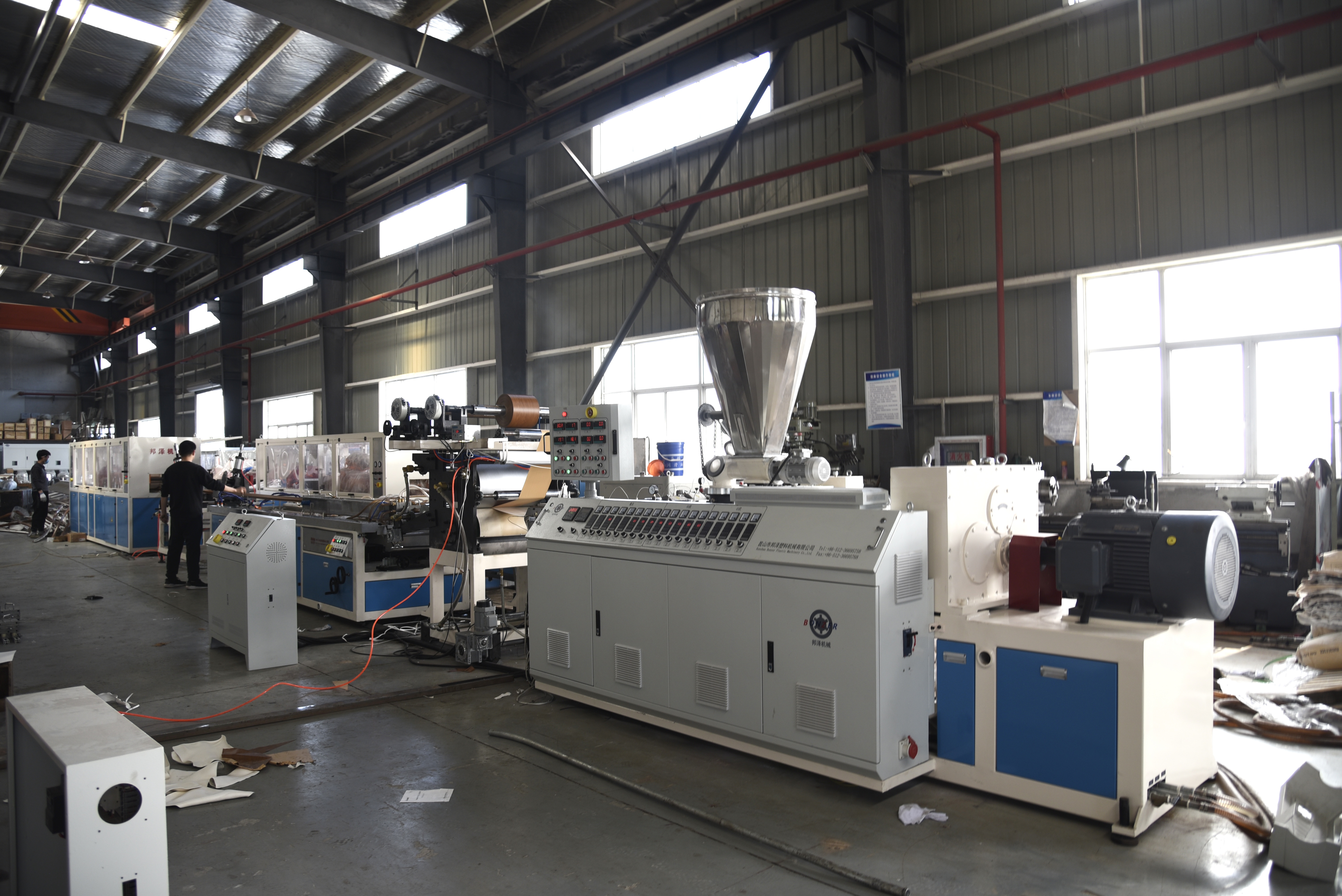
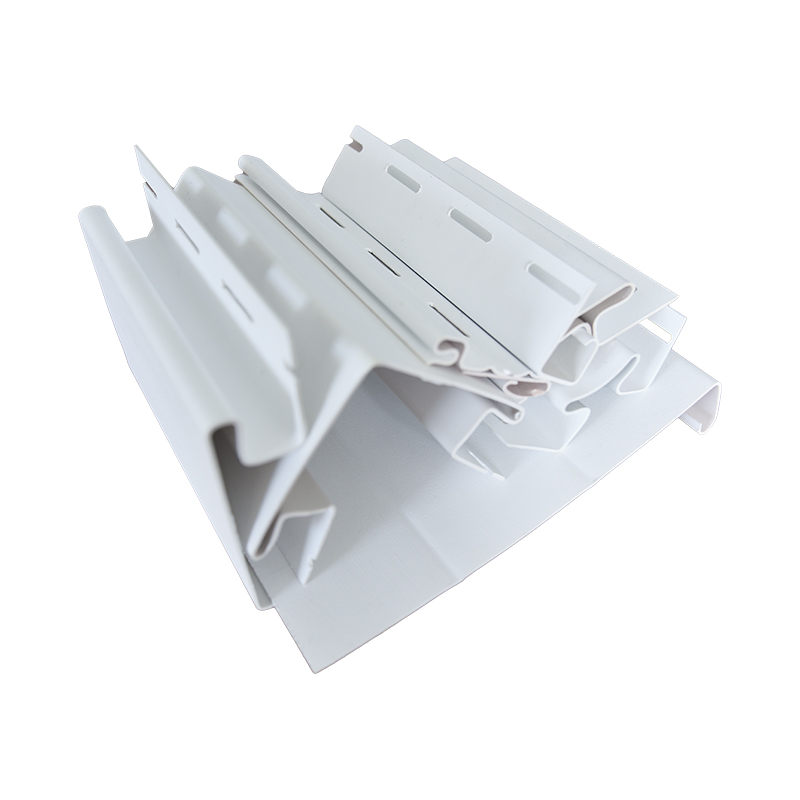
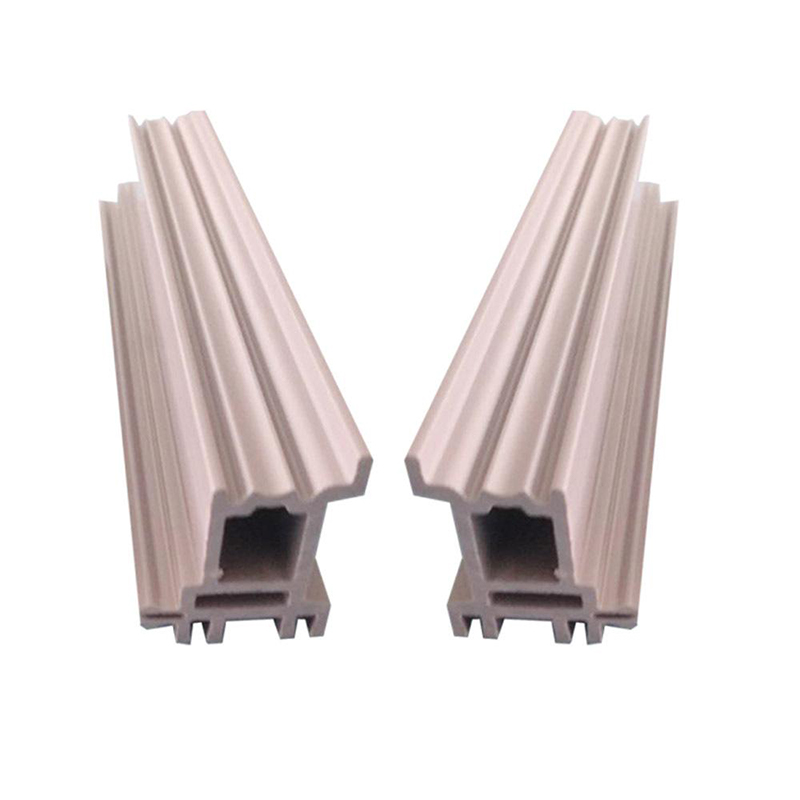
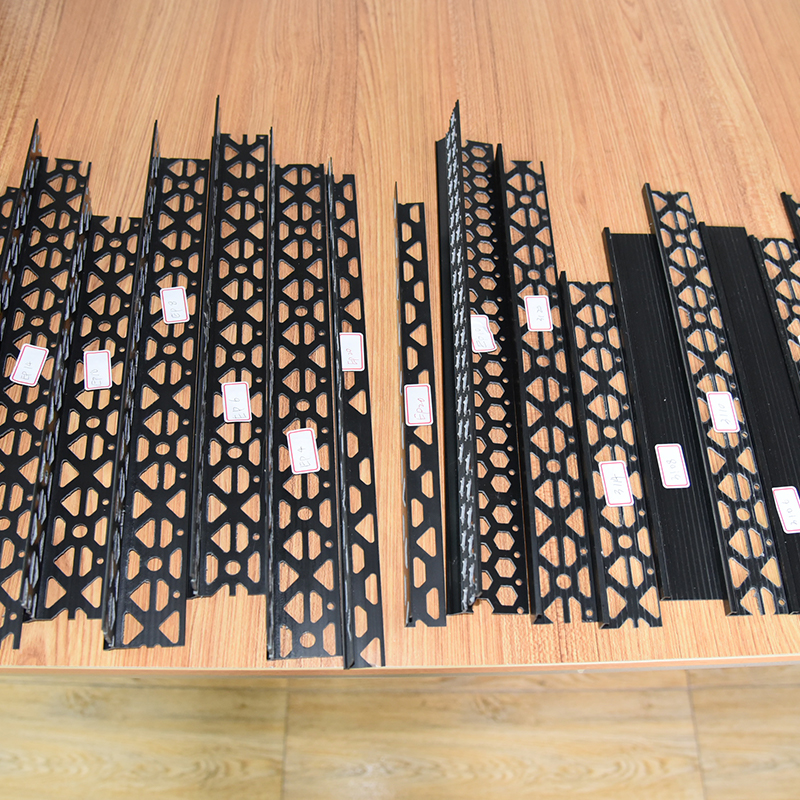
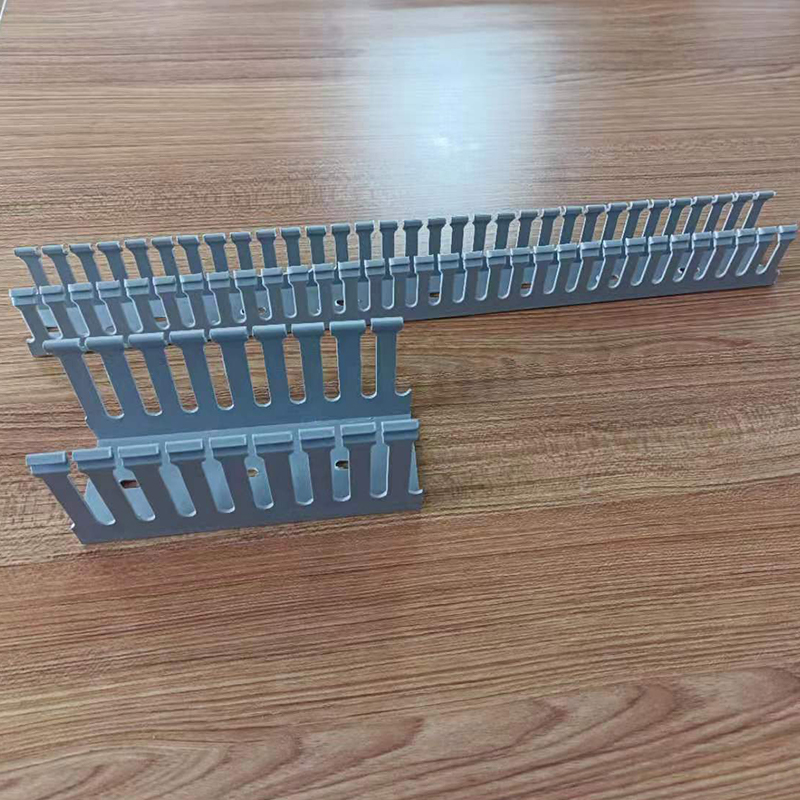
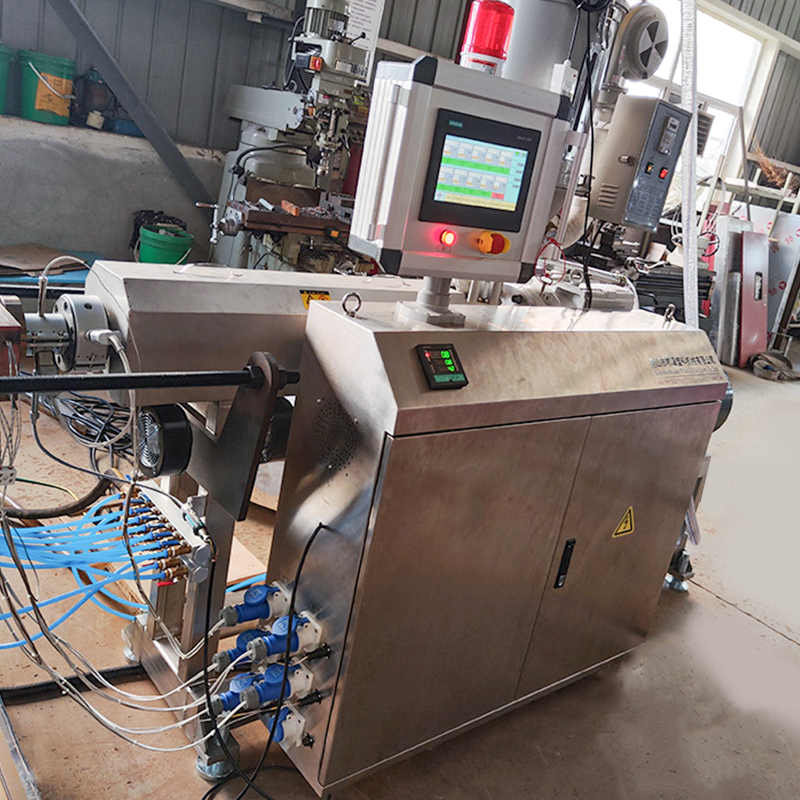
Achieving consistent wall thickness is arguably the most critical challenge and mark of quality in the production of hollow plastic profiles. Whether for window frames, automotive seals, or intricate industrial components, uniformity in the wall is paramount. It directly impacts the product’s structural integrity, dimensional stability, aesthetic appeal, and long-term performance. Inconsistent walls lead to weak points prone to failure, problems with assembly, and an overall unprofessional appearance. This complex task is not the result of a single component but a symphony of precision engineering, careful material selection, and meticulous process control within a profile extrusion machine line.
Before exploring the solutions, it is crucial to understand the forces that lead to inconsistency. The process begins with molten polymer being forced under pressure through a complex die. This melt, a viscous non-Newtonian fluid, naturally seeks the path of least resistance. Any asymmetry in the flow path, temperature, or pulling force will cause the melt to flow more readily in one area than another, resulting in a profile that is thicker on one side and thinner on the other. This phenomenon, known as die swell, where the polymer expands as it exits the die, further complicates the matter. The primary goal of the entire downstream system is to counteract this tendency, to solidify the polymer in a perfectly uniform shape. The consequences of variation are severe: a thin section becomes a structural failure point, while a thick section wastes material, increasing the cost per foot without adding value and potentially causing sink marks or warpage. Therefore, the pursuit of consistent wall thickness is simultaneously a pursuit of product reliability and production economy, a core objective for any operator of a profile extrusion machine.
The first and most critical line of defense against inconsistent wall thickness is found at the very start of the shaping process: the die. A well-designed die is a masterpiece of fluid dynamics, engineered to deliver polymer melt to every part of the profile cross-section at the same velocity, temperature, and pressure.
The Mandrel and Die Land: For hollow profiles, the die must incorporate a mandrel, which is the core that creates the internal void. The space between the outer die wall and the mandrel forms the flow channel. The length of this channel, known as the die land, is crucial. A longer die land provides greater resistance and promotes better polymer homogenization, which helps to equalize flow. The design of the flow channel itself is not uniform; it is carefully engineered to balance the flow. Polymer flowing through a narrow section of the die would encounter more resistance than polymer flowing through a wider section. To compensate, the flow channel is often intentionally restricted in areas leading to wider parts of the profile, effectively acting as a traffic control system for the melt. This complex shaping ensures that the melt front arrives at the die exit uniformly.
The Importance of a Streamlined Flow Path: Any sharp corner, sudden contraction, or expansion within the die can create areas of stagnation or accelerated flow. These disruptions cause variations in shear history and temperature, which manifest as thickness variations in the final product. Therefore, modern die design prioritizes a fully streamlined flow path, where the transition from the extruder adapter to the final die lips is smooth and gradual. This minimizes dead spots where material can degrade and break off, causing contamination and further flow instability. The internal polish of the die is also vital; a smooth surface reduces friction and promotes stable, predictable flow. For a profile extrusion machine producing complex hollow shapes, the die is often the most expensive and technically sophisticated component, and its design is the foundational step in achieving consistency.
If the die gives the profile its initial shape, the calibration unit is responsible for solidifying that shape with precision. This is where the theoretical uniformity created in the die becomes a physical reality. For hollow profiles, this is almost exclusively the domain of vacuum calibration.
Principles of Vacuum Calibration: The calibration unit is a metal block or series of blocks with a precise internal contour that matches the exact desired outer dimensions of the final profile. The hollow profile, still soft and malleable as it exits the die, is pulled directly into this calibrator. A vacuum is applied through fine channels or porous surfaces in the calibrator, which sucks the outer skin of the soft plastic tightly against the cooled metal walls of the calibrator. This immediate contact accomplishes two things simultaneously: it defines the outer dimension with high accuracy, and it begins the critical process of removing heat. The effectiveness of the vacuum calibration system is the single most important factor in stabilizing the profile’s dimensions after it leaves the die.
Balanced Cooling and Thermal Management: The cooling process within the calibration tank must be as balanced as the flow within the die. If one side of the profile is cooled more rapidly than the other, it can induce stress and cause the still-warm material to warp towards the cooler side, distorting the wall thickness. Modern calibration systems use precisely controlled water sprays or flooded chambers to ensure uniform heat extraction from all sides of the profile. The temperature and flow rate of the cooling water are critical process parameters. Furthermore, cooling must be gradual. Attempting to remove too much heat too quickly can lock in internal stresses, leading to post-extrusion warpage and dimensional change. The calibration stage is a delicate balance of sufficient vacuum to hold the shape and controlled cooling to set it without introducing new problems. The length and design of the calibration system on a profile extrusion machine are directly scaled to the line speed and the profile’s wall thickness; a thicker wall requires more time and distance to cool completely.
The polymer itself is a key variable in the quest for consistent walls. Not all materials behave the same way, and their processing characteristics have a direct impact on dimensional stability.
Material Rheology: The flow behavior, or rheology, of the polymer compound is fundamental. A material with a high and consistent melt strength is preferable for hollow profile extrusion. High melt strength helps the parison (the molten tube exiting the die) resist sagging and deformation under its own weight before it enters the calibrator. Materials with low melt strength can lead to thinning on the top of the profile and thickening on the bottom due to gravity. The viscosity of the melt must also be suitable; if it is too low, it may be difficult to control and prone to flashing into the vacuum ports of the calibrator.
The Importance of Dry and Homogeneous Feedstock: Moisture is the enemy of quality extrusion. Hygroscopic polymers, such as certain nylons or PET, must be thoroughly dried before entering the profile extrusion machine. Residual moisture turns to steam in the extruder, causing splay, bubbles, and voids within the melt. These voids disrupt the homogeneous flow, leading to uneven thickness and poor surface quality. Similarly, the feedstock must be uniform in composition and particle size. A poorly blended mix of virgin polymer, regrind, and additives can cause localized variations in viscosity and flow, which will inevitably result in wall thickness variations. Consistent output from the extruder begins with consistent input at the hopper.
Even with a perfect die, a state-of-the-art calibrator, and premium material, consistency cannot be achieved without precise and stable control of the entire profile extrusion machine line. This is where process parameters and monitoring systems come into play.
Extruder Stability: The heart of the process, the extruder, must provide a stable, pulse-free melt at a constant pressure and temperature. Surging – an unstable output rate – will cause rhythmic variations in wall thickness. This is controlled by maintaining consistent screw speed, stable temperature profiles along the barrel, and a uniform feed. The temperature of the melt as it enters the die is particularly critical; a fluctuation of just a few degrees can significantly alter the material’s viscosity and flow rate, throwing off the delicate balance achieved by the die design.
The Puller and Line Speed Synchronization: The haul-off or puller unit is responsible for providing a constant, steady pulling force on the solidified profile. Its speed must be perfectly synchronized with the output rate of the extruder. If the puller runs too fast, it will stretch and thin the profile, particularly in the warmer, weaker sections. If it runs too slow, it will allow the material to build up and thicken, potentially causing the profile to buckle upstream in the calibration tank. Modern systems integrate the puller speed control with the extruder screw speed to maintain a consistent draw-down ratio. Furthermore, caterpillar pullers with multiple contact bands are essential for hollow profiles to distribute the pulling force evenly around the circumference and prevent distortion.
Integrated Monitoring and Control Systems: Modern profile extrusion machine lines are equipped with sophisticated control systems that log and control every parameter. Temperature controllers, vacuum gauges, water flow meters, and laser micrometers work in concert. The laser micrometer, positioned after the cooling tank, provides real-time, closed-loop feedback on the profile’s dimensions. If it detects a trend towards a thinner wall on one side, the system can alert the operator to make a corrective adjustment, perhaps to the die temperature or the vacuum balance in a specific calibrator box. This data-driven approach moves the process from reactive to proactive control.
Technology alone is not sufficient. The skill and diligence of the operating team are vital for initiating and maintaining a stable process that produces consistent hollow profiles.
Start-up and Shutdown Procedures: A controlled and standardized start-up procedure is essential. Bringing the line up to temperature gradually, purging with appropriate materials, and carefully threading the profile through the calibrator and puller without causing scratches or deformation are all critical steps. A rushed start-up can lead to material degradation in the die, which will cause flow disturbances and thickness variations that can take hours to resolve. Similarly, a proper shutdown and purging procedure ensures that the die and extruder are clean for the next production run.
Routine Maintenance: Consistency in production requires consistency in equipment performance. A worn screw and barrel will lose pumping efficiency, leading to output surging. A die with a scratched or corroded flow path will not produce a uniform melt. Calibrators with clogged vacuum holes or worn surfaces will not provide uniform cooling or suction. A rigorous preventive maintenance schedule for the entire profile extrusion machine line is a non-negotiable investment in product quality.
Systematic Troubleshooting: When wall thickness variations occur, a systematic approach is required to identify the root cause. The following table outlines common issues and their potential origins.
| Variation Observation | Potential Root Causes |
|---|---|
| Uniformly Thin/Thick Walls | Incorrect puller speed (too fast/too slow), incorrect extruder output. |
| Thick on One Side, Thin on the Other | Uneven die temperature, clogged die flow channel, misaligned die and calibrator, unbalanced vacuum in calibrator, uneven cooling. |
| Rhythmic Thick and Thin Sections (Surging) | Unstable feed, incorrect temperature profile in extruder, worn screw/barrel, improper screw design for material. |
| Random Localized Thin Spots | Material contamination, degraded polymer sticking to and releasing from the die, air entrapment. |
Copyright © Kunshan Bonzer Plastics Machinery Co., Ltd. All Rights Reserved. Custom Plastic Machinery Suppliers




 English
 中文简体
中文简体