
 English
 中文简体
中文简体
Home / News / Industry News / How can a WPC Floor Panel Extrusion Line be adapted for different color and texture designs?
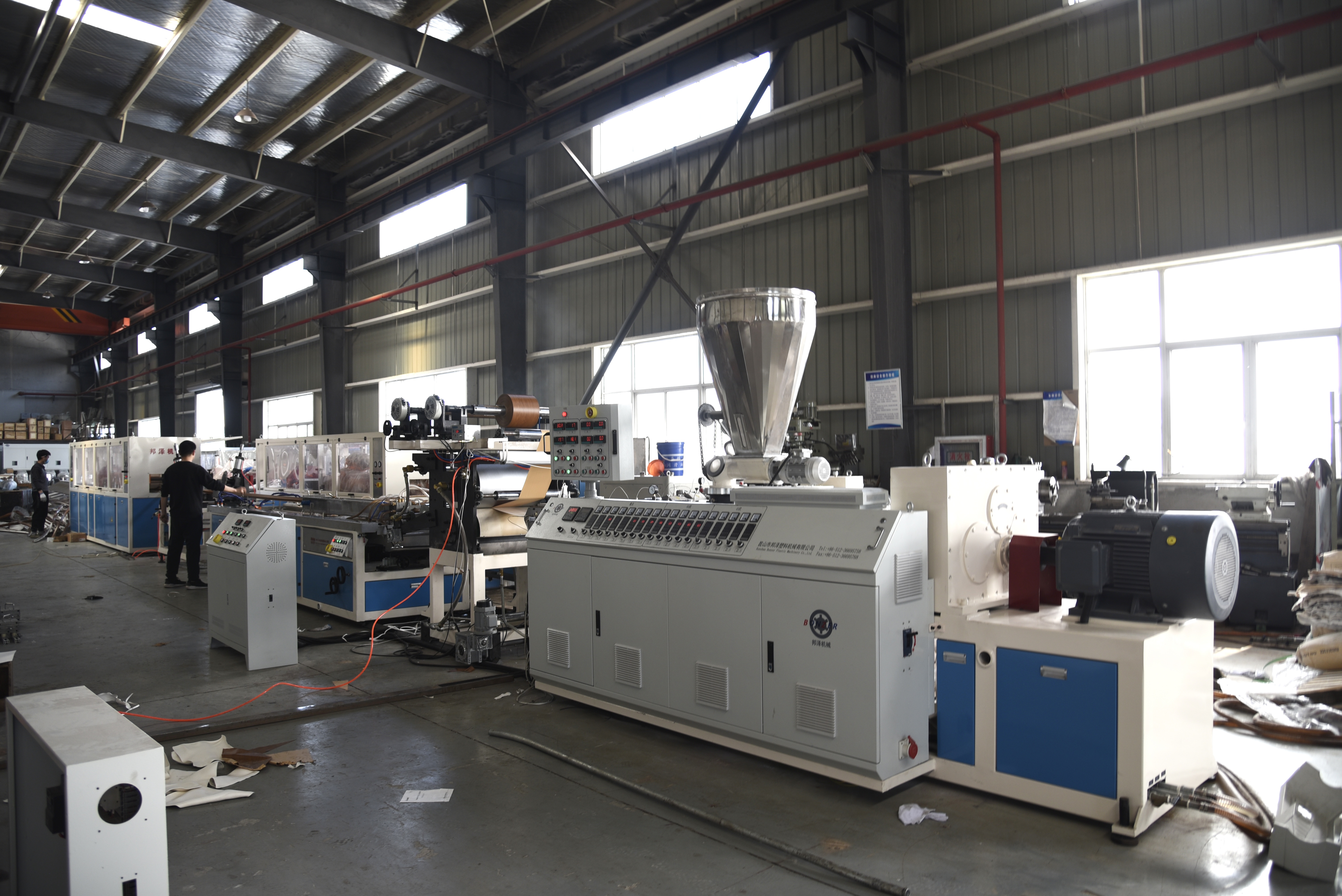
The wpc floor panel extrusion line is a critical piece of equipment in the production of high-quality wood-plastic composite (WPC) flooring. As consumer demands evolve, manufacturers are increasingly seeking ways to offer diverse color options and textured finishes without compromising production efficiency or product quality. Adapting a wpc floor panel extrusion line for various colors and textures involves a combination of material selection, equipment configuration, and process optimization.
A wpc floor panel extrusion line is designed to process composite materials made from wood fibers, thermoplastics, and additives into durable floor panels. The versatility of this machinery allows manufacturers to create panels with different surface aesthetics, thicknesses, and profiles. However, achieving consistent color and texture requires careful control over raw materials, extrusion parameters, and downstream processing equipment.
The line generally includes key components such as a single or twin-screw extruder, a die head, a vacuum calibration system, and a cooling and hauling system. Each component plays a role in determining the final appearance of the WPC floor panel. Understanding these elements and how they interact is fundamental to customizing the product for different design requirements.
The primary factor influencing the color of WPC floor panels is the composition of the raw materials. By selecting appropriate wood fibers, thermoplastics, and color masterbatches, manufacturers can achieve a wide range of color options. Wood fibers contribute to the natural look of the panel, while thermoplastics such as polyethylene (PE), polypropylene (PP), or polyvinyl chloride (PVC) provide structural integrity and processability.
Color masterbatches are pre-dispersed pigments that can be blended with the base material to produce consistent hues. Using masterbatches instead of dry pigments allows for better dispersion, reducing the risk of streaks or uneven coloration. Additionally, the choice of additives such as UV stabilizers and antioxidants can influence the color retention and longevity of the panel, ensuring that the final product maintains its aesthetic appeal over time.
Proper control of raw material ratios is essential. Even slight variations in wood fiber moisture content or plastic type can affect color uniformity. To ensure repeatable results, many manufacturers implement pre-mixing and drying processes before feeding materials into the extruder. This step stabilizes moisture content and prevents color inconsistencies during extrusion.
Texture is another critical aspect of WPC floor panels. Consumers increasingly demand panels that replicate the feel of natural wood or offer unique patterns. Achieving these textures involves adjusting the extrusion parameters and incorporating specialized equipment.
The die head and calibration system are pivotal in controlling surface texture. A die with engraved patterns can imprint wood grain or other designs directly onto the panel as it exits the extruder. For deeper or more complex textures, a multi-roll embossing system may be integrated downstream. These rolls press patterns into the partially cooled panel, enhancing the three-dimensional appearance without compromising structural integrity.
Additionally, extrusion temperature and speed play an important role in texture formation. Maintaining optimal temperature ensures that the panel remains pliable enough to capture the die or embossing pattern, while controlled cooling prevents distortion or surface defects. A variable-speed haul-off system allows operators to fine-tune the tension and speed, further influencing the sharpness and depth of the texture.
Adapting a wpc floor panel extrusion line for both color and texture requires a holistic approach. Color dispersion and texture formation must be synchronized to avoid defects such as streaking, blotching, or uneven embossing. Some key strategies include:
Using these approaches, manufacturers can produce panels with customizable finishes, such as brushed, matte, or high-gloss surfaces, catering to diverse market demands.
Many standard wpc floor panel extrusion lines can be upgraded to increase their adaptability for color and texture variations. Some of the most effective upgrades include:
These upgrades not only expand the design capabilities of the line but also improve production efficiency, reduce material waste, and enhance product quality.
Maintaining consistent color and texture requires rigorous quality control throughout the extrusion process. Standard practices include:
By integrating these quality checks into the production workflow, manufacturers can reliably deliver WPC floor panels that meet customer expectations.
Market demand for WPC flooring has grown significantly, driven by preferences for sustainable, low-maintenance, and aesthetically versatile products. Buyers are increasingly looking for panels that offer a variety of colors and textures to suit different interior designs.
Adapting a wpc floor panel extrusion line to meet these demands gives manufacturers a competitive advantage. Customization capabilities can enhance product differentiation and allow for targeted marketing, such as offering premium panels with realistic wood textures or innovative color patterns. Additionally, the ability to quickly switch production runs between different colors and textures reduces lead times and increases responsiveness to market trends.
Optimizing a wpc floor panel extrusion line for color and texture variation also contributes to sustainability and cost efficiency. Efficient material blending and precise control reduce waste, while high-quality surface finishes minimize the need for additional coatings or treatments. This not only lowers production costs but also aligns with industry standards for environmentally responsible manufacturing.
Furthermore, the use of recycled plastics and wood fibers in WPC production is increasingly common. Proper extrusion line adaptation ensures that these materials can be processed without compromising color consistency or texture fidelity, supporting the production of eco-friendly flooring options.
As technology advances, WPC floor panel extrusion lines are expected to incorporate even greater automation and smart manufacturing features. Real-time monitoring, artificial intelligence-assisted adjustments, and predictive maintenance systems will allow for faster production of panels with complex colors and textures while maintaining high-quality standards.
In addition, evolving consumer preferences may drive the development of multi-tone panels, gradient finishes, and tactile surface effects, all of which require sophisticated extrusion line configurations. Manufacturers who proactively upgrade their equipment to accommodate these trends will be better positioned to meet the demands of the global WPC flooring market.
Adapting a wpc floor panel extrusion line for different color and texture designs requires a comprehensive understanding of materials, equipment, and process parameters. By carefully selecting raw materials, optimizing extrusion settings, integrating embossing systems, and implementing rigorous quality control, manufacturers can produce panels that meet diverse aesthetic and functional requirements.
Investing in equipment upgrades, process monitoring, and sustainable material practices not only enhances product quality but also improves operational efficiency and market competitiveness. As consumer demand for varied and high-quality WPC flooring continues to rise, the ability to customize color and texture will remain a key differentiator for manufacturers.
By applying these strategies, a wpc floor panel extrusion line can become a versatile and adaptable platform, capable of producing a wide range of flooring solutions that satisfy both industry standards and consumer expectations.
Copyright © Kunshan Bonzer Plastics Machinery Co., Ltd. All Rights Reserved. Custom Plastic Machinery Suppliers